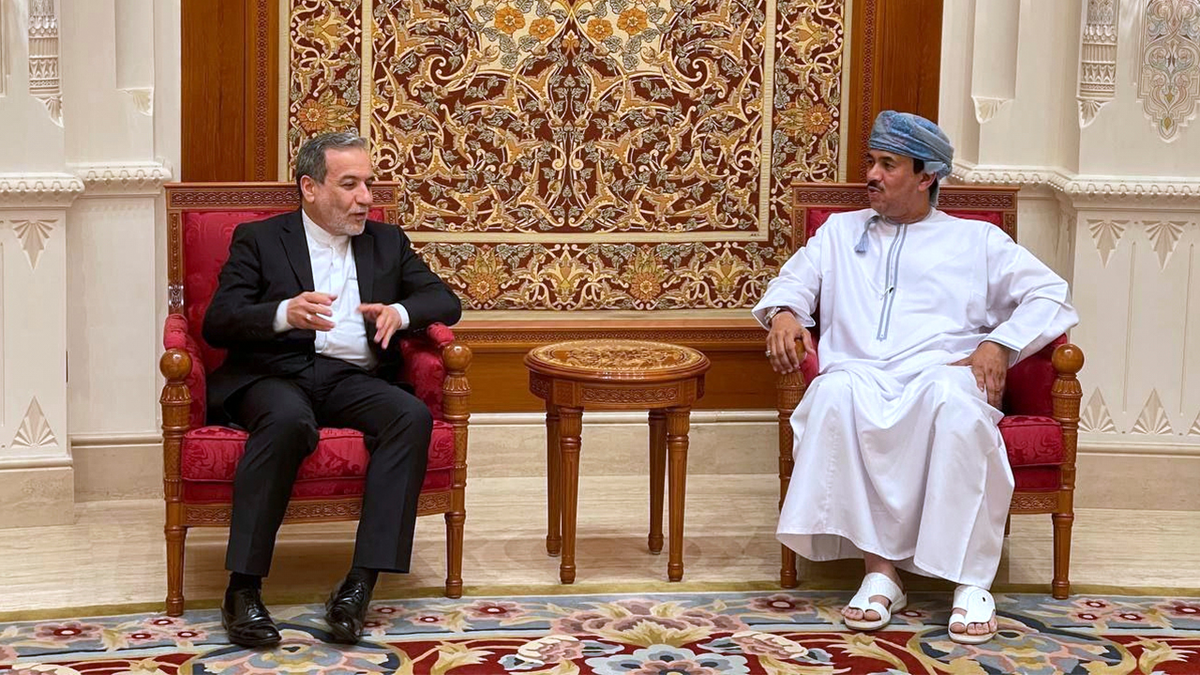
Iranian Foreign Minister Abbas Araghchi has conveyed Tehran’s reservations regarding the uranium file to Pakistani intermediaries during recent talks in Islamabad, according to verified reports from the negotiations. The discussions, which took place on April 11–12, 2026, formed part of the third round of indirect Iran–United States negotiations aimed at de-escalating tensions over Iran’s nuclear program. Araghchi’s remarks underscored Iran’s position that any agreement must respect its sovereign rights while addressing international concerns about uranium enrichment levels.
The talks in Islamabad followed a breakdown in earlier rounds held in Muscat, Rome, and Geneva, where disagreements persisted over the duration of uranium enrichment restrictions and the fate of Iran’s existing stockpile. According to the Wikipedia timeline of the 2025–2026 Iran–United States negotiations, the Islamabad session lasted just one day before concluding without a breakthrough, with both sides maintaining firm positions on key technical and political issues.
Araghchi, who has served as Iran’s Minister of Foreign Affairs since 2024, emphasized during the talks that Iran had arrive “close to reaching an agreement” with the United States but remained firm on its refusal to accept a 20-year freeze on enrichment activities, which Washington had insisted upon as a core condition. Instead, Tehran proposed a five-year halt to further enrichment, a offer previously rejected by U.S. Negotiators in earlier rounds.
The uranium file remains a central sticking point in the negotiations, particularly concerning Iran’s stockpile of uranium enriched to 60 percent purity — a level approaching weapons-grade capability. U.S. Officials, including Special Envoy Steve Witkoff, have repeatedly stated that the removal or verifiable neutralization of this stockpile is essential for any deal. However, Iran has resisted transferring the material abroad, citing concerns over sovereignty and the technical difficulty of accessing uranium buried beneath damaged facilities at Natanz and Fordow following previous military strikes.
Pakistan has played a recurring role as a intermediary in the Iran–U.S. Dialogue, hosting the Islamabad Talks in April 2026 after earlier rounds failed to produce consensus. The choice of Islamabad reflects Pakistan’s balanced diplomatic relations with both Tehran and Washington, as well as its geographic proximity to facilitate discreet engagement. Pakistani officials have not publicly disclosed the specifics of their mediation role but have confirmed facilitating communication channels between the two sides.
Despite the lack of a final agreement, both parties have expressed openness to continued dialogue. U.S. President Donald Trump, in recent public remarks, claimed that Iran had “agreed to hand over its stockpile of enriched uranium,” though Iranian officials have not confirmed this assertion and have instead reiterated their conditional stance on any such transfer. The discrepancy between U.S. Claims and Iranian responses highlights the ongoing challenges in aligning perceptions and building trust amid a volatile regional security environment.
The negotiations occur against a backdrop of heightened tensions, including Israeli military actions against Iranian targets following the collapse of earlier talks and ongoing protests within Iran related to economic hardship and political repression. These external pressures have complicated efforts to sustain diplomatic momentum, with both sides accusing the other of bad faith and escalatory behavior.
Looking ahead, no formal date has been set for a fourth round of talks, though intermediaries have indicated that backchannel communications remain active. The next confirmed checkpoint in the process will depend on whether either party initiates a latest proposal or responds to outstanding positions from the Islamabad session. For now, the uranium file remains unresolved, with its fate likely to shape the trajectory of any future agreement between Iran and the United States.
Readers seeking updates on the Iran–U.S. Negotiations are encouraged to follow official statements from the Iranian Ministry of Foreign Affairs and the U.S. State Department, as well as verified reporting from international news agencies monitoring the situation. Share your thoughts on the prospects for a diplomatic resolution in the comments below.
Related reading