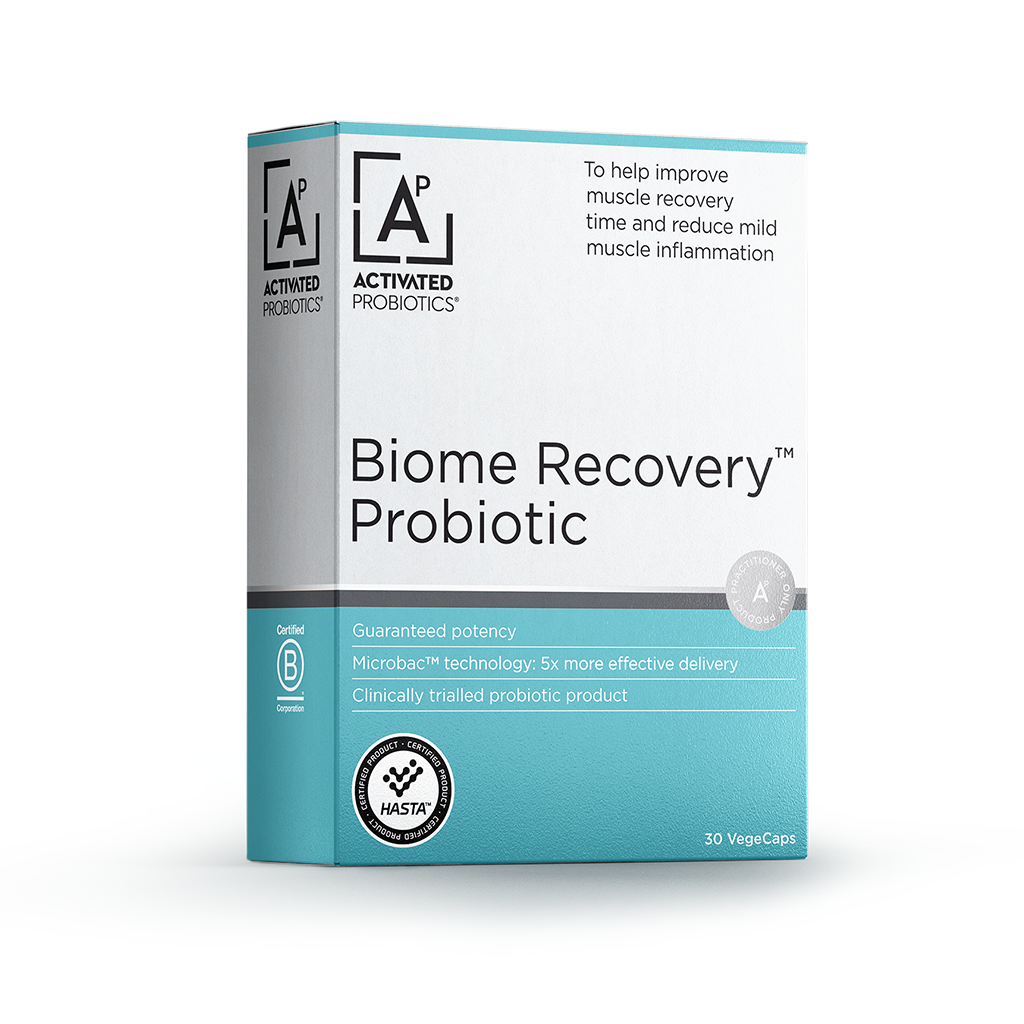
Biome Australia Ltd has filed a patent application for a novel probiotic strain designated BMB18, marking a significant step in the company’s efforts to advance microbiome-based health solutions. The announcement, made on April 27, 2026, confirms the submission of intellectual property protection for what the company describes as a next-generation bacterial strain with potential applications in digestive and immune health. This development positions Biome Australia at the forefront of innovation within the rapidly expanding global probiotics market, which continues to attract scientific and commercial interest due to growing evidence linking gut microbiota to overall well-being.
The patent filing represents more than a procedural milestone; it reflects years of research into strain selection, genetic stability, and functional efficacy. According to company communications, BMB18 was isolated from a proprietary screening process focused on identifying microorganisms with enhanced adhesion properties to intestinal epithelium and sustained activity under gastrointestinal conditions. While specific details of the strain’s genetic makeup or clinical trial data remain pending disclosure, the move to secure patent protection signals confidence in its novelty and potential utility. Industry analysts note that such filings often precede broader commercialization efforts, including potential partnerships with nutraceutical or pharmaceutical firms seeking differentiated ingredients for functional foods or supplements.
Biome Australia, listed on the Australian Securities Exchange under the ticker BIO, has consistently emphasized its focus on scientifically validated microbiome therapeutics. The company’s portfolio includes other probiotic formulations targeting conditions such as irritable bowel syndrome and antibiotic-associated diarrhea, though BMB18 appears to be the first strain for which it has pursued formal intellectual property rights in 2026. The timing of the filing aligns with increased regulatory scrutiny worldwide over probiotic claims, particularly in regions like the European Union and Australia, where health benefit assertions must be substantiated by robust clinical evidence before being permitted on product labels.
Market observers have begun to speculate about the implications of this development for Biome Australia’s valuation and competitive standing. Some commentators suggest that successful protection and subsequent validation of BMB18 could enhance the company’s appeal to larger players in the health sciences sector looking to acquire or collaborate on promising microbiome assets. However, others caution that the path from patent approval to market-ready product remains lengthy and uncertain, involving preclinical testing, human trials, and regulatory review—processes that can span several years and require substantial investment.
As of the date of the announcement, no further details regarding the scope of the patent claims, jurisdictional filings, or expected timelines for examination have been made publicly available. Patent applications typically undergo an 18-month confidentiality period before publication, meaning technical specifics of BMB18 may not emerge in public databases until late 2027. Interested parties seeking updates are advised to monitor official channels such as IP Australia’s AusPat database or the company’s ASX announcements page, where material developments are required to be disclosed under continuous disclosure obligations.
The broader context of this announcement underscores the accelerating pace of innovation in microbiome science. Over the past decade, advances in genomic sequencing and bioinformatics have enabled researchers to identify and characterize bacterial strains with precision previously unattainable. Companies like Biome Australia are leveraging these tools to move beyond traditional probiotic blends toward targeted interventions designed to modulate specific microbial functions. Yet, despite promising preclinical results for many candidates, the translation of laboratory findings into measurable health outcomes in diverse human populations remains a complex challenge, necessitating rigorous scientific validation.
For consumers and healthcare professionals alike, the emergence of novel patented strains like BMB18 highlights the importance of distinguishing between scientifically grounded innovations and marketing-driven claims. While the global probiotics market is projected to exceed $100 billion by 2030, growth is increasingly contingent on demonstrable efficacy and transparency. Regulatory bodies such as the Therapeutic Goods Administration (TGA) in Australia and the European Food Safety Authority (EFSA) continue to refine frameworks for evaluating probiotic substances, emphasizing strain-specific effects, dosage, and population relevance.
Looking ahead, the next key milestone in this story will be the publication of the patent application, which will allow independent experts to assess the novelty and inventive step of BMB18 relative to existing prior art. Until then, the scientific and investment communities will continue to monitor Biome Australia’s progress through official filings and peer-reviewed publications. Stakeholders interested in following developments can visit the company’s investor relations section on its website or consult IP Australia’s public search tools for real-time updates on patent status.
We invite readers to share their perspectives on the role of innovation in microbiome health and the potential impact of advancements like BMB18 on future wellness solutions. Your insights help foster a deeper understanding of how science translates into tangible benefits for people around the world.
Related reading