
Migros Removes L’Oréal, Garnier, and Gillette Products Amid Pricing Dispute
Switzerland’s largest retail chain, Migros, has temporarily pulled a range of popular beauty and grooming products from its shelves, including brands from L’Oréal, Garnier, and Gillette, as a high-stakes pricing dispute with global consumer goods giants escalates. The move, which has left shelves in some stores nearly empty, underscores the growing tension between retailers and multinational suppliers over profit margins and pricing strategies in an inflationary environment.

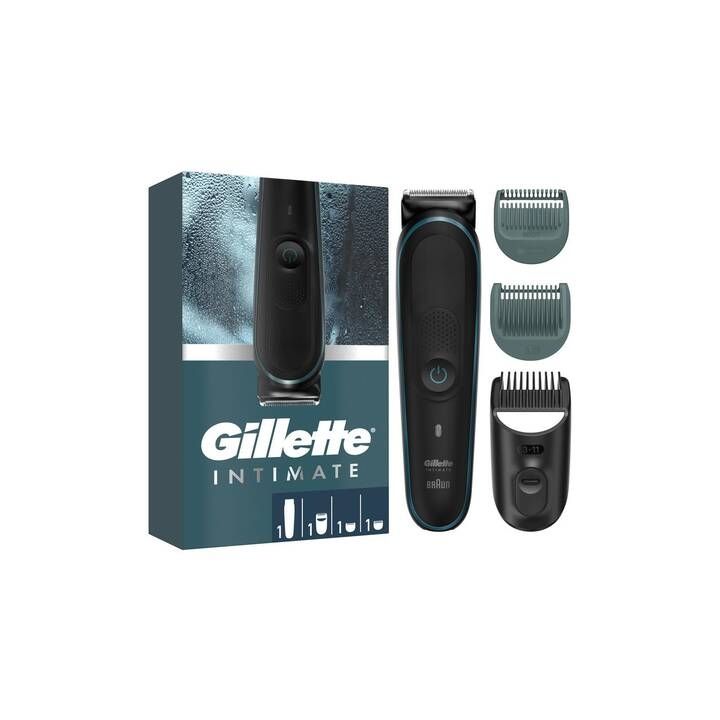
Shoppers in Migros stores across Switzerland have reported significant gaps in the availability of shampoos, conditioners, hair masks, and razors from brands such as L’Oréal Paris, Garnier, Head & Shoulders, Pantene, and Gillette. The shortages, which began in February 2026, are the result of ongoing negotiations between Migros and two of the world’s largest consumer goods companies: L’Oréal and Procter & Gamble (P&G), the latter of which owns Head & Shoulders, Pantene, and Gillette. According to Migros, the dispute centers on the “unjustified” profit margins demanded by these suppliers, which the retailer claims are far higher than its own.
Prisca Huguenin-dit-Lenoir, a spokesperson for Migros, confirmed the supply disruptions in a statement to media outlets, including 20 Minuten and Watson. “We are currently experiencing delivery interruptions for certain branded items in the hair care and shaving segments due to ongoing price negotiations with Procter & Gamble and L’Oréal,” Huguenin-dit-Lenoir said. She added that the retailer’s goal is to “avoid unjustified price increases for our customers” while securing fair terms for its business.
The Profit Margin Standoff
At the heart of the dispute is a fundamental disagreement over profit margins. Migros, a cooperative with a business model that prioritizes affordability and member benefits over shareholder returns, operates on razor-thin margins of less than 2%. In contrast, the retailer alleges that multinational suppliers like L’Oréal and P&G enjoy profit margins of 15% to 20%, a disparity that Migros describes as unsustainable for its business and unfair to consumers.
“International corporations often work with profit margins of 15 to 20 percent, while Migros operates with less than 2 percent and, as a cooperative, does not pay out dividends or bonuses,” Huguenin-dit-Lenoir explained. The retailer’s stance reflects a broader trend in the retail industry, where chains are pushing back against rising supplier costs, particularly in the wake of post-pandemic inflation and supply chain disruptions. Migros, which also owns the discount chain Denner and the convenience store Migrolino, has centralized its procurement processes since 2025 to strengthen its negotiating position with suppliers.
The temporary removal of these products is not an outright boycott but a tactical move to pressure suppliers into agreeing to more favorable terms. “As part of the negotiations, Migros has temporarily removed certain items from its range until an agreement is reached,” the spokesperson said. However, the duration of the standoff remains unclear, with no timeline provided for when the products might return to shelves.
Impact on Consumers and Brands
The shortages have been most noticeable in Migros stores in the French-speaking regions of Switzerland, such as La Chaux-de-Fonds, where shelves for L’Oréal, Garnier, and Gillette products have been nearly empty. Customers have taken to social media to express frustration, with some sharing photos of barren aisles and signs indicating “delivery interruptions.” The situation has left many shoppers scrambling to find alternatives, either by switching to Migros’ own private-label products or visiting competing retailers like Coop, which has not reported similar supply issues.
For L’Oréal and P&G, the dispute represents a significant challenge in one of Europe’s most lucrative retail markets. Switzerland is known for its high disposable income and strong demand for premium beauty and personal care products. A prolonged absence from Migros shelves could dent sales and brand loyalty, particularly if consumers grow accustomed to alternatives. However, both companies have remained tight-lipped about the negotiations, with neither L’Oréal nor P&G responding to requests for comment from media outlets.
Migros, meanwhile, has sought to reassure customers that the shortages are temporary and that it is working to resolve the dispute as quickly as possible. The retailer has also emphasized that its own private-label products, such as those under the M-Budget and M-Classic brands, remain available as alternatives. These products, which often mimic the formulations of branded items at lower prices, could see a boost in sales if the standoff drags on.
Broader Industry Trends
The Migros dispute is not an isolated incident but part of a larger pattern of tension between retailers and suppliers in Europe. In recent years, inflationary pressures, rising production costs, and shifting consumer behaviors have led to more frequent clashes over pricing. Retailers, particularly those with cooperative or discount-focused business models, have turn into increasingly assertive in pushing back against price hikes from suppliers, arguing that they cannot pass on costs to price-sensitive consumers.
In Germany, for example, discount retailers like Aldi and Lidl have engaged in similar disputes with suppliers, occasionally removing branded products from shelves during negotiations. In the UK, supermarket chains have also taken a hard line on pricing, with some introducing price caps on essential goods to protect consumers. The Swiss market, however, presents unique challenges due to its high cost of living and the dominance of Migros and Coop, which together control nearly 70% of the country’s grocery retail market, according to a 2023 report by GfK.
The outcome of the Migros negotiations could set a precedent for future disputes in Switzerland and beyond. If Migros succeeds in securing lower prices or more favorable terms, it may embolden other retailers to take a similarly aggressive stance. Conversely, if L’Oréal and P&G hold firm, it could signal to suppliers that they have the leverage to dictate terms in a market where their brands are considered essential.
What Happens Next?
As of late April 2026, there are no signs of an imminent resolution to the dispute. Migros has indicated that the timing of any agreement—and the return of the affected products—will depend on the progress of the negotiations. “At this point, it is not possible to specify a concrete duration,” Huguenin-dit-Lenoir said.
For consumers, the best course of action may be to monitor updates from Migros or consider alternative brands and retailers. The retailer has not provided a public timeline for the negotiations, but industry analysts suggest that the dispute could drag on for weeks or even months if neither side is willing to compromise.
In the meantime, the situation serves as a reminder of the delicate balance of power in the retail industry, where the interests of suppliers, retailers, and consumers often collide. For Migros, the stakes are high: maintaining its reputation as a consumer-friendly cooperative while ensuring its shelves remain stocked with the brands that Swiss shoppers have come to expect.
Key Takeaways
- Product Shortages: Migros has temporarily removed L’Oréal, Garnier, Head & Shoulders, Pantene, and Gillette products from its shelves due to a pricing dispute with suppliers.
- Profit Margin Dispute: Migros operates on margins of less than 2%, while it claims suppliers like L’Oréal and P&G enjoy margins of 15% to 20%.
- Centralized Negotiations: Since 2025, Migros has centralized its procurement processes to strengthen its negotiating position with suppliers.
- Consumer Impact: Shoppers in French-speaking regions of Switzerland have reported nearly empty shelves, with some turning to private-label alternatives.
- Industry Implications: The dispute reflects broader tensions between retailers and suppliers over pricing in an inflationary environment.
- Uncertain Timeline: Migros has not provided a timeline for when the affected products might return to shelves.
We will continue to monitor this story and provide updates as new developments emerge. Have you been affected by the product shortages at Migros? Share your experiences in the comments below or on social media.
Keep reading