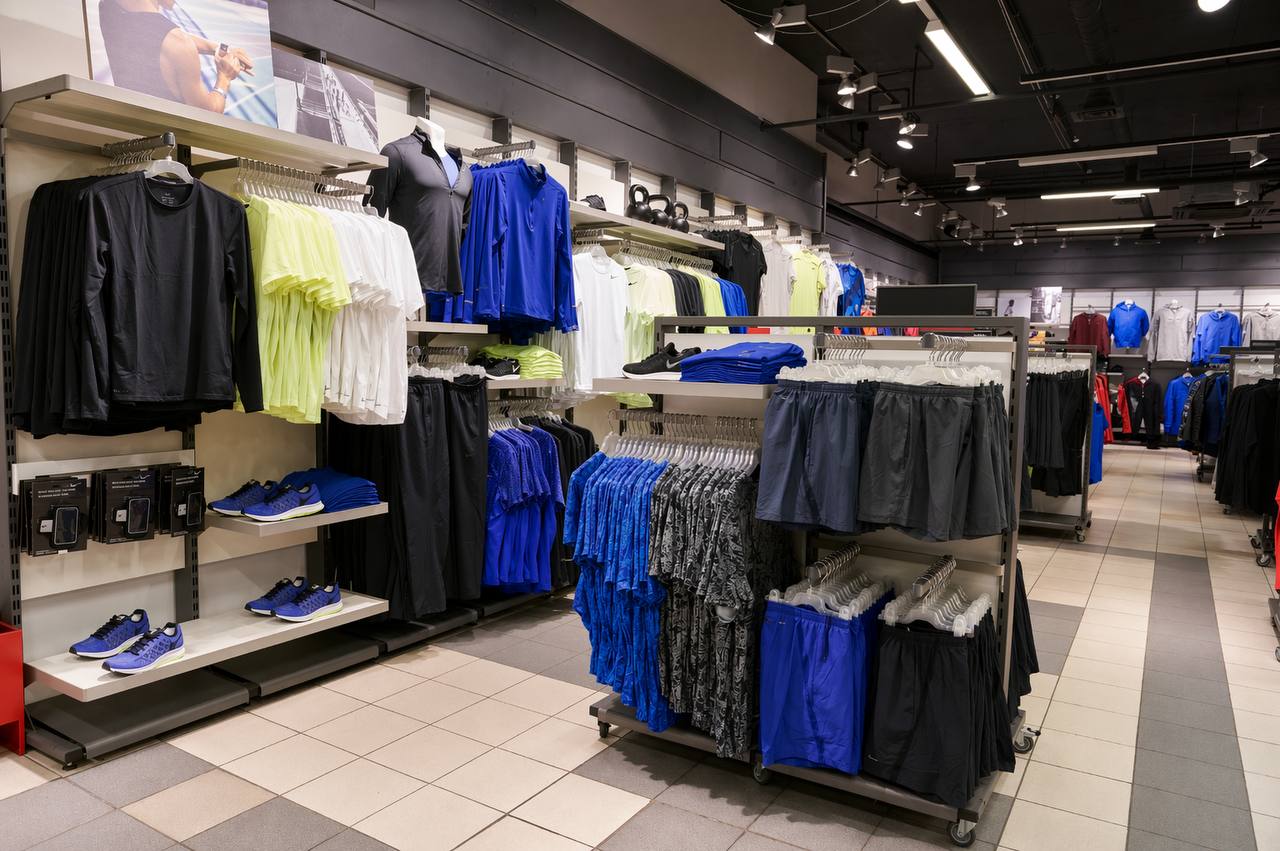
Major Sportswear Chain Announces Massive Store Closures Amid Record Losses
In a dramatic shift for the global retail landscape, one of the world’s leading sportswear brands has confirmed plans to close hundreds of physical stores following a year of unprecedented financial losses. The decision, announced in late April 2026, marks a significant pivot in the company’s strategy as it doubles down on digital sales and direct-to-consumer channels to reverse its declining fortunes.
While the brand has not yet disclosed the exact number of closures or the locations affected, industry analysts suggest the move could reshape the retail sector, particularly in markets where brick-and-mortar stores have long been a cornerstone of consumer engagement. The announcement comes at a time when the sportswear industry is grappling with shifting consumer habits, rising operational costs, and intense competition from e-commerce giants and fast-fashion rivals.
For a company that once prided itself on its global retail footprint, the closures represent a stark reversal of its traditional business model. The decision too raises questions about the future of physical retail in an era where digital sales are not just growing but dominating.
The Financial Fallout: A Year of Losses
The sportswear giant’s financial troubles became impossible to ignore in early 2026, when it reported its first annual loss in over a decade. According to filings reviewed by Reuters, the company posted a net loss of €1.2 billion ($1.3 billion) for the fiscal year 2025, a stark contrast to the €1.5 billion profit it recorded in 2024. Revenue also took a hit, dropping by 8% year-over-year to €20.1 billion, down from €21.8 billion in the previous year.
The losses were attributed to a combination of factors, including supply chain disruptions, rising material costs, and a sharp decline in foot traffic at physical stores. The company’s gross margin also shrank to 47.2%, down from 49.1% in 2024, as discounting and promotional strategies failed to offset weaker demand. In a 2018 interview with the Financial Times, then-CEO Kasper Rørsted had outlined a bold vision for the company’s digital transformation, stating, “Our website is our most important store in the world.” Nearly a decade later, that vision appears to be accelerating—though not under the circumstances the company had hoped for.
A Shift to Digital: Fewer Stores, More Focus Online
The company’s pivot toward e-commerce is not entirely recent. In recent years, it has invested heavily in its digital infrastructure, including the launch of a mobile app designed to foster brand loyalty and streamline the shopping experience. The app, which initially rolled out in the U.S., U.K., and Germany, has since expanded to markets like Spain, France, and Canada, offering personalized recommendations, exclusive drops, and community-driven features such as workout tracking and social sharing.
However, the scale of the current store closures suggests a more urgent require to cut costs and refocus resources. While the company has not released a full list of affected locations, reports from Bloomberg indicate that the closures will be concentrated in markets where the brand has struggled with oversaturation, including North America and parts of Europe. Some analysts speculate that the company may also exit certain emerging markets where physical retail remains a key driver of sales, though no official confirmation has been provided.
In a statement released on April 27, 2026, the company’s current CEO, Bjørn Gulden, acknowledged the challenges ahead but framed the closures as a necessary step toward long-term growth. “We are committed to building a more agile and profitable business,” Gulden said. “This means making demanding decisions about our physical footprint while ensuring that our digital and direct-to-consumer channels are positioned to meet the evolving needs of our customers.”
Industry-Wide Pressures: Why Sportswear Retailers Are Struggling
The sportswear giant’s struggles are not occurring in a vacuum. The entire industry has faced headwinds in recent years, driven by a combination of macroeconomic pressures and changing consumer behaviors. Here are some of the key factors contributing to the sector’s challenges:

- Rising Costs: Inflation has driven up the cost of raw materials, labor, and logistics, squeezing margins for retailers. Cotton prices, for example, have fluctuated wildly due to climate-related disruptions in key producing regions like India and the U.S.
- E-Commerce Dominance: Online sales now account for a growing share of retail revenue, with platforms like Amazon and Alibaba capturing an increasing portion of consumer spending. Traditional retailers are struggling to compete with the convenience and pricing of these digital marketplaces.
- Shifting Consumer Preferences: Younger consumers, in particular, are prioritizing sustainability and ethical sourcing, leading to a decline in demand for fast fashion and mass-produced apparel. Brands that fail to adapt to these trends risk losing market share to more agile competitors.
- Oversaturation of Physical Stores: Many retailers expanded aggressively during the 2010s, only to find themselves with too many underperforming locations. The COVID-19 pandemic accelerated this trend, as lockdowns forced consumers online and left physical stores struggling to recover.
For the sportswear giant, these challenges have been compounded by its own missteps. In 2022, the company faced backlash over its handling of a high-profile partnership with a controversial figure, which led to a boycott and a temporary dip in sales. While the brand has since worked to rebuild its reputation, the incident served as a reminder of the risks associated with celebrity endorsements in an era of heightened social awareness.
What’s Next for the Brand—and Its Customers?
As the company moves forward with its store closures, questions remain about the long-term impact on its brand and customer base. For loyal shoppers, the loss of physical stores could imply fewer opportunities to try on products before purchasing, a key consideration for footwear and apparel. However, the company has emphasized that it will continue to invest in immersive digital experiences, such as virtual try-ons and augmented reality (AR) features, to bridge the gap between online and in-store shopping.
Financially, the closures are expected to result in significant cost savings, though the company has not provided a specific figure. Analysts at Morgan Stanley estimate that the move could save the company between €300 million and €500 million annually, depending on the number of locations closed. These savings could be redirected toward marketing, product innovation, and further digital expansion.
For employees, the closures will undoubtedly bring uncertainty. The company has not disclosed how many jobs will be affected, but labor unions in several countries have already raised concerns about potential layoffs. In response, the company has stated that it will function to redeploy affected staff where possible and provide support for those transitioning to new roles.
Key Takeaways: What This Means for the Retail Industry
The sportswear giant’s decision to close stores is a microcosm of broader trends reshaping the retail sector. Here are the key takeaways for industry observers and consumers:
- Digital-First Is the New Normal: The shift toward e-commerce is accelerating, and retailers that fail to adapt risk being left behind. Even brands with strong physical footprints are rethinking their strategies to prioritize online sales.
- Cost Pressures Are Forcing Tough Decisions: Rising operational costs are pushing retailers to streamline their operations, whether through store closures, supply chain optimizations, or layoffs. The sportswear giant’s move is likely just the beginning of a wave of restructuring across the industry.
- Consumer Expectations Are Evolving: Shoppers are increasingly demanding seamless, personalized experiences, whether online or in-store. Brands that can deliver on these expectations—through technology, sustainability, or community-building—will have a competitive edge.
- Physical Retail Isn’t Dead—But It’s Changing: While store closures are making headlines, physical retail is not disappearing. Instead, it is evolving into a more experiential and service-oriented model, with stores serving as showrooms, pickup hubs, and community spaces rather than just points of sale.
The Road Ahead: What to Watch For
As the sportswear giant implements its restructuring plan, several key developments will be worth monitoring:
- Official Announcements on Store Closures: The company is expected to release a list of affected locations in the coming weeks. This will provide clarity on the scale of the closures and their geographic distribution.
- Financial Performance in Q2 2026: Investors will be closely watching the company’s next earnings report, due in late July, for signs of whether the closures are having the desired impact on profitability.
- Digital Growth Metrics: The success of the company’s digital strategy will be a critical indicator of its long-term viability. Key metrics to watch include app downloads, online sales growth, and customer engagement rates.
- Competitor Responses: Rival brands, such as Nike and Puma, are likely to adjust their own strategies in response to the sportswear giant’s moves. This could include their own store closures, digital investments, or shifts in marketing focus.
For now, the company’s leadership is urging patience as it navigates this period of transition. In a recent interview with The Wall Street Journal, CEO Bjørn Gulden struck a cautious but optimistic tone. “This is not the end of our story,” he said. “It’s the beginning of a new chapter—one where we are more focused, more efficient, and more connected to our customers than ever before.”
Final Thoughts: A Turning Point for Retail?
The sportswear giant’s store closures are a stark reminder of the challenges facing traditional retailers in an increasingly digital world. While the move may be painful in the short term, it could ultimately position the company for long-term success—provided it can execute its digital strategy effectively and adapt to the changing needs of its customers.
For consumers, the closures may mean fewer physical stores to browse, but they could also lead to more innovative and personalized shopping experiences online. For the retail industry as a whole, the company’s restructuring serves as a case study in the risks and opportunities of the digital age.
The next few months will be critical in determining whether this pivot pays off. In the meantime, stakeholders—from investors to employees to loyal customers—will be watching closely to see how the story unfolds.
What do you think about the sportswear giant’s decision to close stores? Will this move aid the company recover, or is it a sign of deeper challenges ahead? Share your thoughts in the comments below and join the conversation on social media.