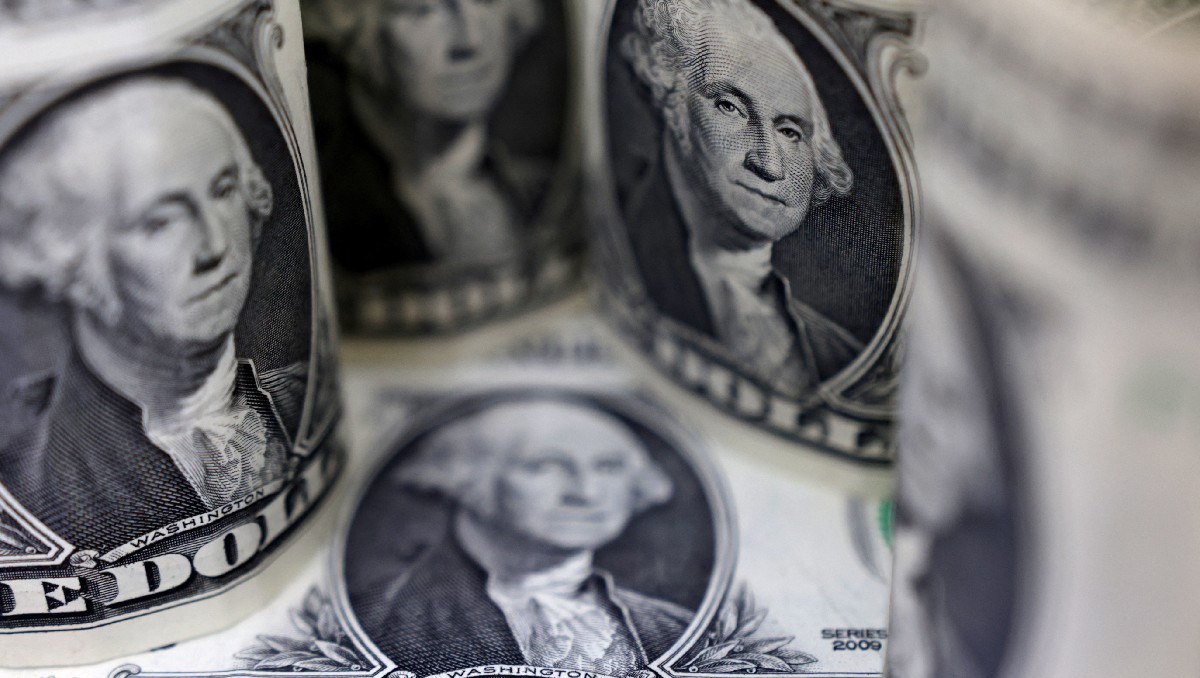
The Mexican peso strengthened against the U.S. dollar on Tuesday, July 21, 2026, with the exchange rate reaching 17.43 pesos per dollar, according to data reported by UnoTV. This upward trend for the peso comes as financial markets focus on upcoming United States-Mexico-Canada Agreement (USMCA/T-MEC) meetings and volatility in the technology and energy sectors.
The currency’s gains reflect a broader “winning streak” for the peso, according to Milenio, which notes that traders are positioning themselves ahead of critical trade discussions. While the U.S. dollar remains strong globally, the peso has extended its gains, a development tracked by La Jornada and El Financiero.
Market participants are currently weighing the impact of oil price fluctuations and the performance of major tech stocks on currency valuations. The interaction between these macroeconomic factors and the specific geopolitical tensions surrounding the T-MEC framework continues to drive the USDMXN pair’s volatility.
T-MEC Negotiations and Peso Valuation
The primary driver for the current currency movement is the anticipation of T-MEC (USMCA) meetings. According to Yahoo Finanzas, the Mexican peso is actively preparing for these diplomatic and economic summits, which determine the rules of trade between North American partners. The strength of the peso often fluctuates based on the perceived stability of these trade agreements and the level of cooperation between the three nations.
The T-MEC agreement, which replaced NAFTA, governs everything from automotive rules of origin to labor standards and digital trade. Because Mexico is a primary manufacturing hub for the U.S., any signal of stability or favorable terms in these meetings tends to attract investment into the peso.
Market Factors: Oil, Tech, and the Strong Dollar
Despite the peso’s local gains, it is operating against a backdrop of a “strong dollar” on the global stage, according to reports from La Jornada. This creates a tug-of-war where the peso’s internal strengths—such as trade positioning—clash with the U.S. dollar’s role as a global safe-haven asset.
Two specific sectors are currently influencing this dynamic:
- Energy Markets: Crude oil prices remain a key variable. As a major oil producer, Mexico’s currency often correlates with energy price shifts, though this relationship has evolved with the rise of nearshoring.
- Technology Sector: La Jornada reports that financial markets are closely monitoring tech stocks. High volatility in the Nasdaq or S&P 500 tech components often triggers a flight to the U.S. dollar, which can cap the gains of emerging market currencies like the peso.
Comparing Exchange Rate Reports
Reporting on the July 21 exchange rate shows a consistent trend across major Mexican financial outlets, though they emphasize different drivers. UnoTV provided a specific benchmark of 17.43 pesos per dollar. Meanwhile, El Financiero and Milenio focused on the “winning streak” (racha ganadora), framing the move not just as a daily fluctuation but as a sustained period of strength.
This divergence in framing suggests that while the number (17.43) is the immediate fact, the “story” for investors is the momentum. The peso is not merely reacting to a weak dollar—since the dollar is described as “strong” by La Jornada—but is instead gaining strength based on its own fundamental drivers, specifically the T-MEC outlook.
What This Means for Trade and Investment
A stronger peso makes imports from the United States cheaper for Mexican consumers and businesses, which can help dampen inflation within Mexico. However, it can make Mexican exports more expensive for U.S. buyers, potentially impacting the competitiveness of Mexican goods in the American market.
For investors, the current volatility underscores the importance of “nearshoring”—the practice of relocating production closer to the end consumer. As companies move operations from Asia to Mexico to benefit from T-MEC, the long-term demand for the peso may increase, regardless of short-term fluctuations in the tech or oil sectors.
Those tracking the currency can find official daily exchange rates provided by the Banco de México (Banxico), which serves as the ultimate authority for the legal exchange rate used in official contracts and government transactions within the country.
The next major checkpoint for the currency will be the official release of the meeting agendas and outcomes from the T-MEC sessions. Market participants will be looking for specific mentions of labor disputes, energy regulations, and tariff updates to determine if the peso’s current rally has further room to grow.
We invite readers to share their perspectives on the T-MEC’s impact on the Mexican economy in the comments section below.
Worth a look