Natural Molecule BRP: A Potential Game-Changer in Obesity Treatment Without Ozempic’s Side Effects
In the global fight against obesity, a new player has emerged from the labs of Stanford Medicine—a naturally occurring molecule called BRP that could offer the weight-loss benefits of blockbuster drugs like Ozempic and Wegovy, but without their notorious side effects. Discovered through artificial intelligence and tested in animal models, BRP (short for “brain-regulating peptide”) has sparked excitement among researchers and patients alike for its targeted approach to appetite suppression. Unlike current GLP-1 agonists, which act broadly across multiple organs, BRP appears to focus its effects on the hypothalamus, the brain’s control center for hunger and metabolism.
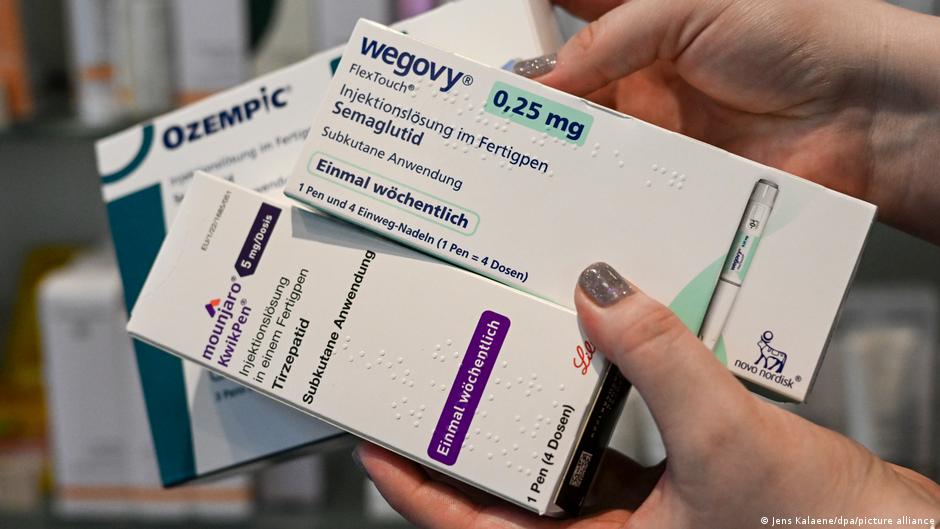
Obesity remains one of the most pressing public health challenges of our time, affecting over 650 million adults worldwide, according to the World Health Organization. While medications like semaglutide (Ozempic, Wegovy) and tirzepatide (Mounjaro) have revolutionized treatment by helping patients achieve significant weight loss, their widespread use has been hampered by side effects such as nausea, constipation, muscle loss, and gastrointestinal distress. BRP’s promise lies in its ability to deliver comparable results—at least in preclinical studies—while potentially avoiding these drawbacks.
The molecule’s discovery, published in the journal Nature on March 5, 2025, was led by Dr. Katrin Svensson, an assistant professor of pathology at Stanford Medicine. Svensson, who co-founded a company to advance BRP into human clinical trials, described the molecule’s mechanism as a “more targeted approach” to weight loss. “The receptors targeted by semaglutide are found in the brain but also in the gut, pancreas, and other tissues,” she explained in the study. “That’s why Ozempic has widespread effects, including slowing digestion and lowering blood sugar. In contrast, BRP appears to act specifically in the hypothalamus.”
How BRP Works: A Different Path to Appetite Suppression
To understand BRP’s potential, it’s helpful to compare it to existing GLP-1-based drugs. These medications mimic the hormone glucagon-like peptide-1 (GLP-1), which is naturally produced in the gut after eating. GLP-1 slows stomach emptying, reduces appetite, and improves insulin secretion, making it a powerful tool for weight loss and diabetes management. However, its broad action across multiple organs also leads to side effects like nausea, vomiting, and diarrhea, which can be severe enough to cause some patients to discontinue treatment.
BRP, by contrast, is a 12-amino-acid peptide derived from a larger prohormone—a biologically inert molecule that becomes active when cleaved into smaller fragments. Using AI to sift through dozens of prohormones, Svensson’s team identified BRP as a molecule that specifically targets neurons in the hypothalamus, the region of the brain responsible for regulating hunger and energy balance. This specificity could explain why animal studies showed weight loss without the gastrointestinal side effects associated with GLP-1 drugs.
Dr. Giles Yeo, a professor of molecular neuroendocrinology at the University of Cambridge and a leading expert on obesity, provided additional context on BRP’s mechanism. In an interview with DW, Yeo noted that the brain’s ability to detect circulating hormones is limited by the blood-brain barrier, which only allows two regions—the hypothalamus and the brainstem—to respond to these signals. “The hypothalamus is the sensor of hunger,” Yeo said. “It operates on a gradient, from starving to completely full. It’s asking, ‘How hungry am I?’ The brainstem, deals with the visceral effects—the uncomfortable feeling of being overly full, like after a considerable holiday meal.”
Current GLP-1 drugs primarily act on the brainstem, which is why they often cause nausea and other gastrointestinal symptoms. BRP, however, appears to focus its effects on the hypothalamus, potentially offering a smoother path to appetite suppression without the same level of discomfort. This distinction could create BRP a more tolerable option for long-term use, particularly for patients who struggle with the side effects of existing medications.
Preclinical Success and the Road to Human Trials
The Nature study detailed BRP’s performance in animal models, where it demonstrated weight loss comparable to semaglutide but with fewer side effects. Notably, animals treated with BRP did not experience the significant muscle loss observed in those treated with GLP-1 agonists—a critical advantage, as muscle preservation is essential for maintaining metabolic health and physical function during weight loss.
Svensson’s team has since formed a company to advance BRP into human clinical trials, though the timeline for these studies remains unclear. If successful, BRP could join a growing pipeline of next-generation obesity treatments designed to improve upon the limitations of current drugs. Other approaches in development include dual- and triple-agonist molecules that target multiple metabolic pathways, as well as non-injectable formulations of GLP-1 drugs, such as oral tablets and nasal sprays.
However, experts caution that translating preclinical success into real-world results is far from guaranteed. “Animal models are a critical first step, but they don’t always predict how a drug will perform in humans,” said Dr. Caroline Apovian, co-director of the Center for Weight Management and Wellness at Brigham and Women’s Hospital, in an interview with The New England Journal of Medicine. “We’ve seen promising molecules fail in clinical trials due to unforeseen side effects or lack of efficacy. That said, BRP’s mechanism is intriguing, and if it can deliver on its promise, it could be a significant advancement.”
The Broader Landscape of Obesity Treatment
The rise of GLP-1 agonists has transformed the obesity treatment landscape, offering patients a non-surgical option for achieving weight loss that was previously only possible through invasive procedures like bariatric surgery. However, the high cost of these medications—often exceeding $1,000 per month—has limited access for many patients, particularly in low- and middle-income countries. Supply shortages have plagued the market, leaving some patients struggling to fill their prescriptions.
BRP’s potential as a natural molecule could address some of these challenges. Because It’s derived from a prohormone found in the body, it may be easier and cheaper to produce at scale than synthetic drugs like semaglutide. However, its long-term safety and efficacy in humans remain unproven, and it will likely face the same regulatory hurdles as other experimental treatments.
For now, patients and healthcare providers are watching BRP’s development closely. If clinical trials confirm its safety and effectiveness, it could offer a new tool in the fight against obesity—one that delivers results without the trade-offs of current medications. Until then, GLP-1 agonists like Ozempic and Wegovy remain the gold standard for medical weight loss, despite their limitations.
What’s Next for BRP?
The next critical step for BRP is the initiation of human clinical trials, which will determine whether its preclinical success translates to real-world efficacy. These trials will likely follow a phased approach, beginning with small studies to assess safety and dosage before expanding to larger groups to evaluate effectiveness. If all goes well, BRP could enter the market in the coming years, offering patients a new option for managing obesity with fewer side effects.
For those interested in following BRP’s progress, updates can be found on the Stanford Medicine website and in peer-reviewed journals like Nature. Patients and healthcare providers can also monitor clinical trial registries such as ClinicalTrials.gov for announcements about upcoming studies.
Key Takeaways
- BRP is a naturally occurring molecule discovered by Stanford Medicine researchers that shows promise as an alternative to GLP-1 agonists like Ozempic and Wegovy.
- It targets the hypothalamus, the brain’s hunger center, potentially avoiding the gastrointestinal side effects of current drugs.
- Preclinical studies in animals demonstrated weight loss comparable to semaglutide, with reduced muscle loss and fewer side effects.
- Human clinical trials are the next step, with no confirmed timeline for when they will commence.
- If successful, BRP could offer a more tolerable and accessible option for obesity treatment, though its long-term safety and efficacy remain unproven.
Frequently Asked Questions
How does BRP differ from Ozempic and Wegovy?
BRP is a naturally occurring peptide that specifically targets the hypothalamus, the brain’s hunger center. In contrast, Ozempic and Wegovy (both containing semaglutide) mimic the hormone GLP-1 and act broadly across multiple organs, including the gut and pancreas. This broader action is responsible for many of the side effects associated with GLP-1 drugs, such as nausea and constipation. BRP’s more targeted mechanism could offer similar weight-loss benefits with fewer drawbacks.

What are the side effects of BRP?
In animal studies, BRP did not cause the gastrointestinal side effects commonly associated with GLP-1 agonists, such as nausea, vomiting, or constipation. It also appeared to preserve muscle mass, which is often lost during weight loss with current medications. However, the molecule’s side effect profile in humans has not yet been established, as clinical trials have not yet begun.
When will BRP be available to patients?
BRP is still in the preclinical stage, meaning it has only been tested in animals. The next step is human clinical trials, which will assess its safety and efficacy in people. These trials typically take several years to complete, so it may be some time before BRP is available to patients, if at all. Patients interested in following its progress can check clinical trial registries like ClinicalTrials.gov for updates.
Is BRP a natural alternative to Ozempic?
BRP is derived from a naturally occurring prohormone, making it a “natural” molecule in the sense that it is not entirely synthetic. However, BRP itself is not found in its active form in the body—it is produced by cleaving a larger prohormone into smaller peptides. While it may offer a more natural mechanism of action compared to synthetic drugs, it is still an experimental treatment that requires further study.
Who is leading the development of BRP?
The discovery of BRP was led by Dr. Katrin Svensson, an assistant professor of pathology at Stanford Medicine. Svensson co-founded a company to advance BRP into human clinical trials, though the company’s name and specific plans for the trials have not been publicly disclosed. The research was published in the journal Nature on March 5, 2025.
As the medical community awaits the results of human trials, BRP represents a promising step forward in the quest for safer, more effective obesity treatments. For now, patients and healthcare providers will continue to rely on existing options, while keeping a close eye on this potential breakthrough.
What are your thoughts on BRP’s potential as an alternative to Ozempic? Share your views in the comments below, and don’t forget to share this article with others who may be interested in the future of obesity treatment.
Keep reading
- Corporate Welfare: How Amazon and Walmart Use Medicaid and SNAP to Subsidize Low Wages
- Osteoarthritis and Rheumatoid Arthritis Differ in Cause and Treatment
- Exploring the 5-Step ‘Red Light’ Challenge for Weight Loss (newsdirectory3.com)
- Online Weight-Loss Drug Provider Challenges Agency Over Industry Standards (archyde.com)