
The Urban Planning department of the Oviedo City Council in Asturias, Spain, has become the center of a political firestorm following allegations of irregular activity and administrative pressure within the Licensing Service. At the heart of the controversy is a clash between the governing People’s Party (PP), which maintains its conduct has been beyond reproach, and a coalition of opposition parties who claim the local government ignored early warnings of misconduct.
The tension escalated following the abrupt dismissal of a high-ranking advisor and the revelation of an internal whistleblower complaint. Opposition members from the PSOE, Vox, and IU-Convocatoria por Oviedo are now demanding full transparency and the opening of a formal investigation into what they describe as a systemic failure to address professional pressures exerted on municipal employees.
Mario Arias, the first deputy mayor and recently elected president of the PP in the capital, has dismissed the accusations as intoxication
driven by political rivals. However, the dispute has shifted from the merits of the urban planning irregularities to a secondary battle over data privacy and the legal obligations of confidentiality regarding the city’s internal reporting channels.
The Dismissal of Ignacio Morales Zapata
The current crisis was triggered by an official resolution released by the city council on April 15, which formalized the dismissal of architect Ignacio Morales Zapata from his role as an advisor to the Mayor’s office. While the resolution itself was a matter of administrative record, it acted as a catalyst for a series of long-simultaneously whispered complaints regarding the Urban Planning area.
Reports emerging from the dispute suggest that irregular practices may have included the recommendation of specific professional offices to expedite the processing of licenses and the disproportionate scrutiny of certain files. These allegations remained largely anecdotal until it was revealed that a formal complaint had been lodged through the municipality’s internal reporting channel in December 2025.
Political Gridlock and the ‘Internal Information System’
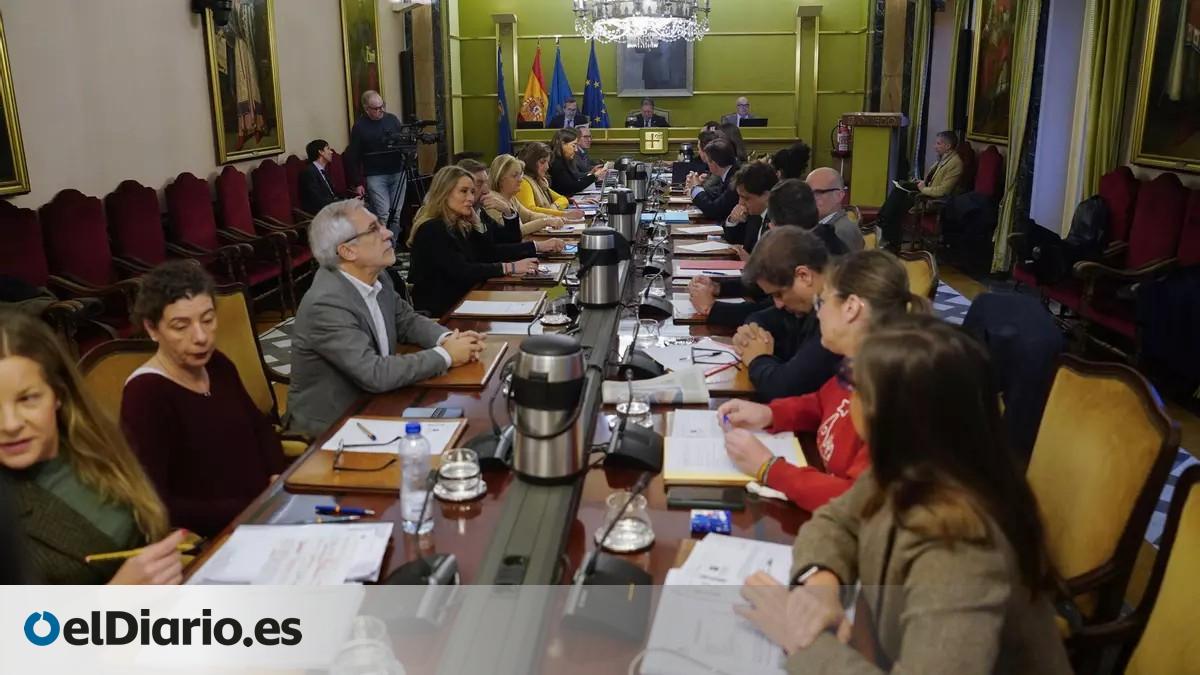
The controversy reached a boiling point during a recent meeting of the Commission of Economy and Interior. Mario Arias, who is also responsible for the Department of Personnel and Contracting, appeared before the commission at the request of socialist councilors to clarify the administration’s response to the December 2025 report.
During the session, Arias defended the government’s actions as impeccable
and argued that the administration had acted with diligence whenever it was necessary to determine responsibilities. However, he pivoted the argument by accusing the PSOE and Vox of an insensate
handling of reserved information. Arias claimed that the opposition had divulged sensitive data
and the names of affected individuals, thereby ignoring their right to the presumption of innocence and honor.


Municipal sources have warned that the breach of the duty of secrecy and the violation of confidentiality and anonymity guarantees are considered very serious infractions. According to these sources, such violations can carry fines of up to 300,000 euros.
The government, led by Mayor Alfredo Canteli, asserts that the opposition has attempted to access the Internal Information System (the whistleblower channel) despite demonstrating a total lack of rigor
in treating the data they had already acquired. This stance is reinforced by warnings previously issued by the General Secretary of the Plenary and the head of the Municipal Legal Advisory service regarding the strict duty of reserve.
Opposition Claims of Administrative Negligence
The socialist group, represented by councilor Jorge García Monsalve, has presented a starkly different account. García Monsalve alleges that the administration’s response to the internal warnings was non-existent. He claims that during the commission hearing, Mario Arias admitted to receiving an email in December 2025 from a group of officials reporting pressures exerted by a high-ranking official in the Urban Planning department.

We are talking about the head of Personnel and Contracting receiving a complaint from public employees about pressures in their work and not acting accordingly.Jorge García Monsalve, Socialist Councilor

García Monsalve has expressed doubt regarding whether the December 2025 complaint was ever properly processed through the official internal channel. He noted that when questioned, the deputy mayor was either unable or unwilling to provide a definitive answer. The socialist group intends to request further appearances to clarify the specifics of the Licensing area, where they believe pressures were aimed at steering the processing of files in a specific direction.
Vox and IU: Demands for Transparency
The party Vox, through its spokesperson Sonsoles Peralta, has accused the city council of rejecting a formal commission of inquiry and replacing explanations with threats
. Vox argues that while the confidentiality of the internal channel protects the whistleblower, it does not prevent the necessity of political accountability or the fiscalization of the government’s actions.

Similarly, IU-Convocatoria por Oviedo has called for a rigorous investigation to restore public trust. Councilor Alejandro Suárez emphasized that democratic institutions must respond with exemplarity
and agility when social concern is generated. He expressed confidence in the municipal services but insisted that the investigation be conducted with maximum transparency to ensure any necessary responsibilities are assigned.

The next critical development will be the processing of the socialist group’s request for new appearances to specifically examine the Licensing area and the timeline of the December 2025 reports. We will continue to monitor the official responses from the Oviedo City Council as these requests are filed.
Do you believe municipal internal reporting channels are effective in preventing administrative misconduct? Share your thoughts in the comments below.