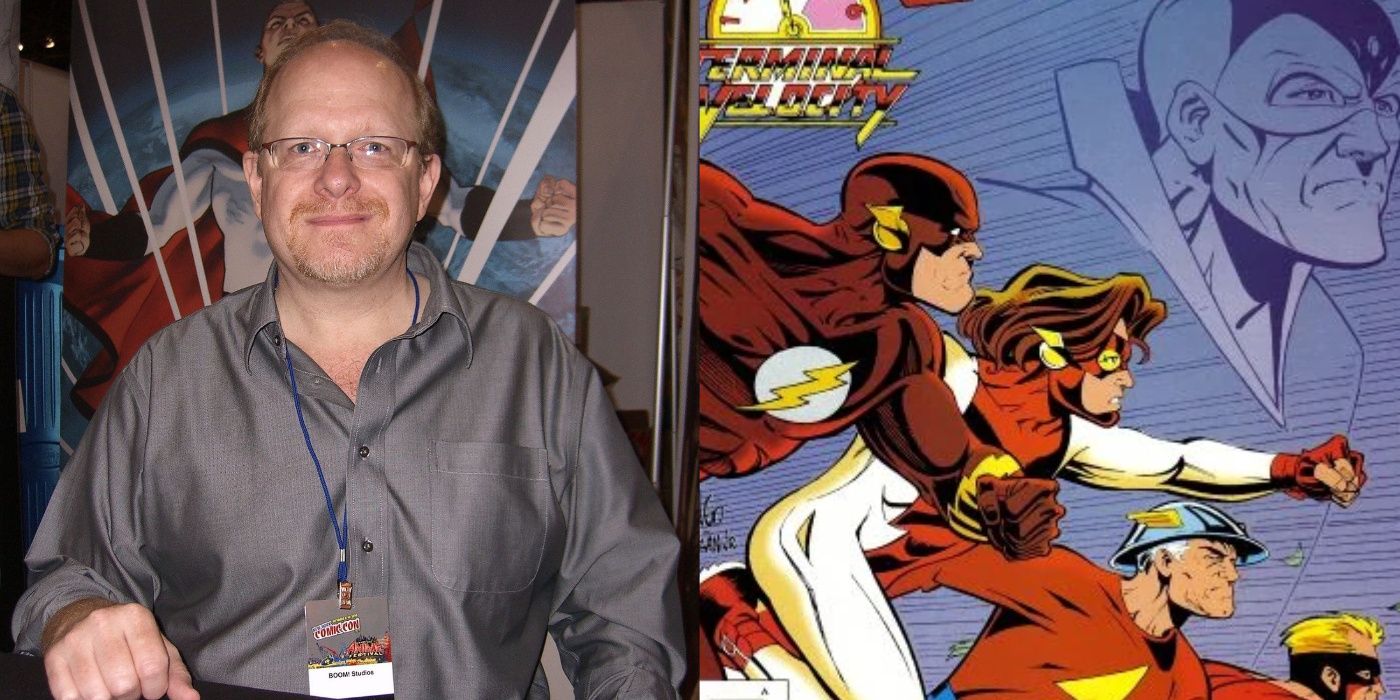
Marvel’s Spider-Man And DC’s Batman Would Not Be The Same Without Gerry Conway
By Sophia Martinez, Editor, Entertainment
When fans think of iconic comic book characters like Spider-Man and Batman, the names Stan Lee, Jack Kirby, and Bob Kane often dominate the conversation. Yet, one writer whose influence is just as profound—though sometimes overlooked—is Gerry Conway. Over a career spanning more than five decades, Conway shaped some of Marvel and DC’s most enduring stories, leaving an indelible mark on the superhero genre. Without his contributions, the versions of Spider-Man and Batman we know today might look dramatically different.
Conway’s work bridged the gap between the Silver Age of comics and the modern era, introducing complex narratives, morally ambiguous characters, and storylines that challenged traditional superhero tropes. His tenure at Marvel and DC wasn’t just about writing comics; it was about redefining what superhero stories could be. From introducing pivotal characters to crafting some of the most memorable arcs in comic book history, Conway’s legacy is woven into the fabric of these franchises. As the comic book industry continues to evolve, his influence remains a cornerstone of its storytelling.
The Man Who Changed Spider-Man Forever
Gerry Conway’s impact on Spider-Man is perhaps his most celebrated contribution to Marvel Comics. In 1972, at just 19 years old, Conway became the regular writer of The Amazing Spider-Man, taking over from Stan Lee. His run on the series is best remembered for one of the most controversial and impactful storylines in Spider-Man’s history: the death of Gwen Stacy. In The Amazing Spider-Man #121-122 (June-July 1973), Conway and artist Gil Kane delivered “The Night Gwen Stacy Died,” a two-part story that shattered the conventions of superhero comics at the time.
Gwen Stacy, Peter Parker’s longtime love interest, was killed by the Green Goblin in a moment that stunned readers. The story was groundbreaking not just for its emotional weight, but for its refusal to provide a last-minute rescue. Unlike most superhero tales of the era, where death was often temporary or reversible, Gwen’s demise was permanent. The arc forced Peter Parker—and readers—to confront the real-world consequences of superhero life. Conway later reflected on the decision, stating in a 2013 interview with Comic Book Resources that the story was about “the cost of being a hero.” The impact of Gwen Stacy’s death reverberated through Spider-Man’s mythology for decades, influencing everything from Peter Parker’s character development to the tone of subsequent stories.
Conway’s run on The Amazing Spider-Man also introduced another iconic character: the Punisher. Debuting in The Amazing Spider-Man #129 (February 1974), the Punisher was a stark departure from traditional superheroes. A vigilante who operated outside the law, the Punisher reflected the darker, grittier themes that would come to define 1980s and 1990s comics. Conway’s creation of the Punisher was a response to the growing demand for more morally complex characters, and the character’s popularity has endured, spawning multiple comic series, films, and television adaptations. In a 2016 interview with Syfy Wire, Conway noted that the Punisher was “a product of his time,” reflecting the societal tensions of the early 1970s.
Reinventing Batman for a Novel Generation
After his groundbreaking work at Marvel, Conway transitioned to DC Comics in the late 1970s, where he would leave an equally lasting impact on Batman. His most significant contribution to the Dark Knight’s mythology came during his run on Detective Comics and Batman in the early 1980s. Conway’s stories introduced a new level of psychological depth to Batman, exploring the character’s motivations, fears, and relationships in ways that had rarely been seen before.
One of Conway’s most notable Batman arcs was “A Death in the Family,” a storyline that ran in Batman #426-429 (December 1988-January 1989). The story is infamous for its shocking conclusion: the death of Jason Todd, the second Robin. Unlike Gwen Stacy’s death, which was a creative decision, Jason Todd’s fate was determined by fans. DC Comics held a phone-in poll, allowing readers to vote on whether Jason should live or die. The vote was close, but fans chose death. The storyline was a bold experiment in reader engagement and remains one of the most talked-about moments in Batman’s history. Conway, who co-wrote the arc with Jim Starlin, later described the decision as “a reflection of the times,” noting that the 1980s were a period of increasing cynicism in superhero comics. The death of Jason Todd had a profound impact on Batman’s character, deepening his sense of loss and guilt, and setting the stage for future storylines, including Jason’s eventual resurrection as the Red Hood.
Conway’s work on Batman also introduced or expanded several key characters in the Bat-family. He co-created the Electrocutioner, a villain who would become a recurring foe for Batman, and played a pivotal role in developing the character of Lucius Fox, Bruce Wayne’s trusted business manager. Conway’s stories often explored the dynamics between Batman and his allies, particularly Commissioner Gordon and Alfred Pennyworth. His writing emphasized the importance of Batman’s relationships, portraying them as essential to the character’s ability to function as a hero. In a 2019 interview with DC Comics, Conway described Batman as “a character who is defined by his connections to other people,” a theme that has become central to modern interpretations of the Dark Knight.
A Legacy of Innovation and Influence
Gerry Conway’s contributions to Marvel and DC Comics extend far beyond the characters and storylines he created. His work helped usher in a new era of storytelling in superhero comics, one that embraced complexity, moral ambiguity, and emotional depth. Before Conway, superhero stories were often straightforward tales of good versus evil, with clear-cut heroes and villains. Conway’s writing challenged these conventions, introducing characters and narratives that reflected the complexities of the real world.
One of Conway’s most enduring legacies is his role in the creation of the “shared universe” concept in comics. While Marvel and DC had long featured characters who occasionally crossed over into each other’s stories, Conway was instrumental in developing the idea of a cohesive, interconnected universe where events in one series could have ripple effects across others. His work on titles like The Amazing Spider-Man and Justice League of America helped lay the groundwork for the expansive, interconnected universes that define modern comic book storytelling. In a 2015 interview with Tor.com, Conway described the shared universe as “a way to tell bigger stories,” noting that it allowed writers to explore the consequences of events in ways that standalone stories could not.
Conway’s influence can also be seen in the way modern comic book writers approach character development. His willingness to kill off major characters like Gwen Stacy and Jason Todd demonstrated that superhero stories could be more than just escapist fantasy—they could also be a vehicle for exploring real-world issues and emotions. This approach has become a staple of modern comic book storytelling, with writers like Grant Morrison, Alan Moore, and Brian Michael Bendis citing Conway as an inspiration. In a 2018 panel at New York Comic Con, Bendis praised Conway’s work, stating that “Gerry was one of the first writers to show us that superhero stories could be about something more than just punching bad guys.”
The Human Side of Gerry Conway
Beyond his creative achievements, Gerry Conway’s career is also a testament to the challenges and triumphs of working in the comic book industry. Born in 1952, Conway began his career at a remarkably young age, selling his first professional comic book script to Marvel at just 16 years old. His early success was a double-edged sword, however, as it came at a time when the industry was still grappling with issues of creator rights and fair compensation. Conway has been vocal about the need for better treatment of comic book creators, advocating for greater recognition and financial support for the artists and writers who bring these stories to life.
In 2014, Conway launched a Kickstarter campaign to fund Beyond the Universe, a graphic novel that explored themes of creativity, collaboration, and the comic book industry. The project was a reflection of his own experiences, both as a creator and as an advocate for creator rights. In a 2014 interview with Kickstarter, Conway described the project as “a love letter to the comic book industry,” noting that it was an opportunity to “tell a story about the people who make comics, not just the characters they create.” The campaign was a success, further cementing Conway’s reputation as a champion for creators.
Conway’s advocacy work has also extended to issues of diversity and representation in comics. In recent years, he has been a vocal supporter of initiatives aimed at increasing diversity in the industry, both in terms of the characters depicted and the creators behind them. In a 2020 interview with TheWrap, Conway emphasized the importance of representation, stating that “comics have always been a reflection of the world we live in, and that world is diverse.” His commitment to these issues has made him a respected figure not just for his creative work, but for his efforts to make the industry more inclusive.
Why Conway’s Work Still Matters Today
More than five decades after he first entered the comic book industry, Gerry Conway’s influence remains as relevant as ever. His stories continue to inspire new generations of writers and artists, and his characters are still central to the mythologies of Marvel and DC. The death of Gwen Stacy, the introduction of the Punisher, and the reinvention of Batman are just a few examples of how Conway’s work has shaped the comic book landscape.
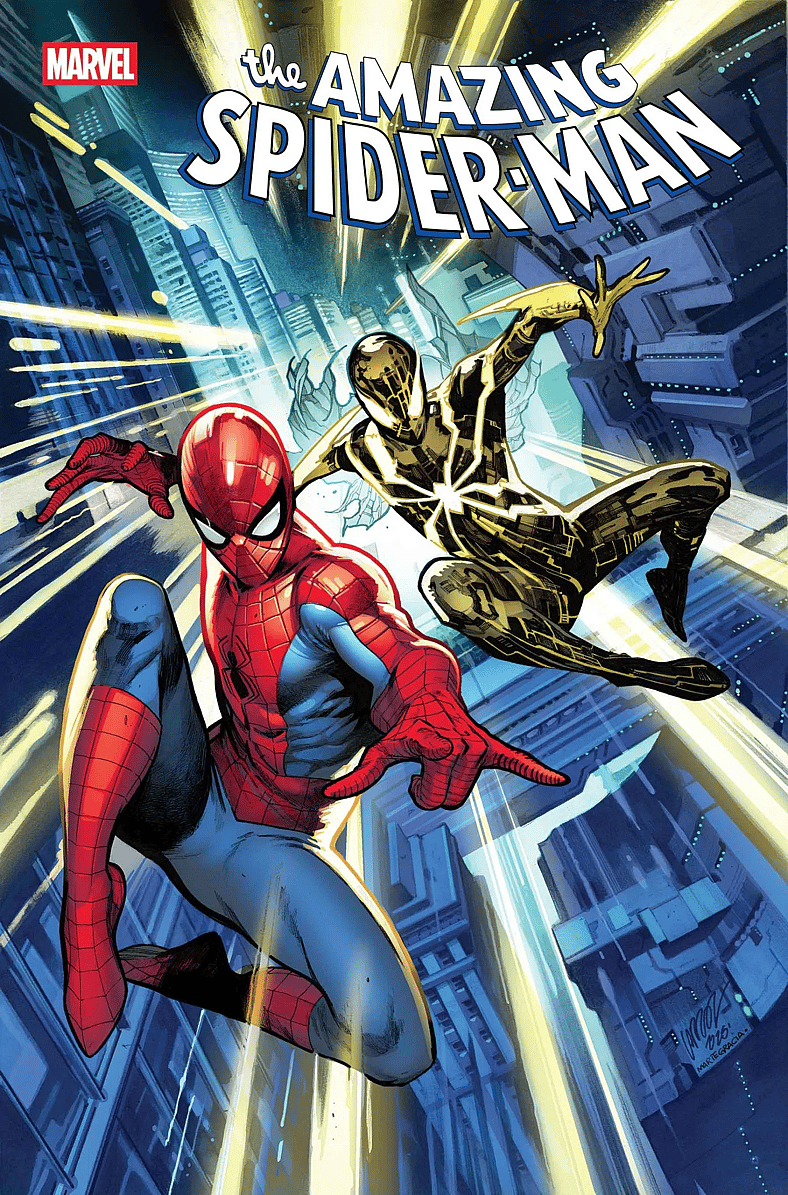
Conway’s impact can also be seen in the broader cultural conversation around superhero stories. The themes he explored—moral ambiguity, the cost of heroism, and the importance of relationships—have become central to modern superhero narratives, both in comics and in other media. Films like The Dark Knight and Spider-Man: Into the Spider-Verse owe a debt to Conway’s work, as do television shows like Batman: The Animated Series and Daredevil. In many ways, Conway’s stories helped pave the way for the more complex, character-driven superhero stories that dominate pop culture today.
For fans looking to explore Conway’s work, there are plenty of entry points. His run on The Amazing Spider-Man (issues #111-149) is a must-read for anyone interested in the character’s evolution, while his Batman stories in Detective Comics and Batman offer a fascinating look at the Dark Knight’s early modern era. Conway’s creator-owned work, such as Firestorm and Beyond the Universe, provides insight into his creative process and his views on the industry.
Key Takeaways
- Groundbreaking Storytelling: Gerry Conway’s work on The Amazing Spider-Man introduced emotionally resonant and permanent changes to superhero narratives, such as the death of Gwen Stacy, which redefined the character of Peter Parker.
- Iconic Character Creation: Conway co-created the Punisher, a character who has become a cultural phenomenon, reflecting the darker themes of 1970s comics and influencing modern vigilante stories.
- Reinventing Batman: His work on Detective Comics and Batman in the 1980s, including the death of Jason Todd, added psychological depth to the Dark Knight and set the stage for future storylines.
- Shared Universe Pioneer: Conway played a key role in developing the concept of a cohesive, interconnected comic book universe, a staple of modern superhero storytelling.
- Advocate for Creators: Beyond his creative work, Conway has been a vocal advocate for creator rights, diversity, and fair compensation in the comic book industry.
- Lasting Influence: His stories continue to inspire modern comic book writers, filmmakers, and television creators, shaping the way superhero stories are told today.
What’s Next for Gerry Conway?
Gerry Conway shows no signs of slowing down. In recent years, he has continued to write for both Marvel and DC, contributing to titles like Spider-Man and Justice League. He has also been active in the convention circuit, appearing at events like San Diego Comic-Con and New York Comic Con to discuss his work and engage with fans. Conway has embraced digital media, using platforms like Twitter and his personal blog to share insights into his creative process and advocate for issues he cares about.
For fans eager to stay updated on Conway’s latest projects, following him on Twitter or visiting his official website is a great way to keep up with his work. Whether he’s writing new comics, advocating for creator rights, or sharing stories from his decades-long career, one thing is clear: Gerry Conway’s legacy is far from over.
As we reflect on the impact of Gerry Conway’s work, it’s worth considering how his stories have shaped our understanding of superheroes. From Spider-Man’s struggles to Batman’s darkness, Conway’s contributions have helped make these characters more human, more relatable, and more enduring. For that, comic book fans everywhere owe him a debt of gratitude.
What are your favorite Gerry Conway stories? Share your thoughts in the comments below, and don’t forget to share this article with fellow comic book fans!