Germany’s Healthcare Reform Aims to Stabilize Contribution Rates
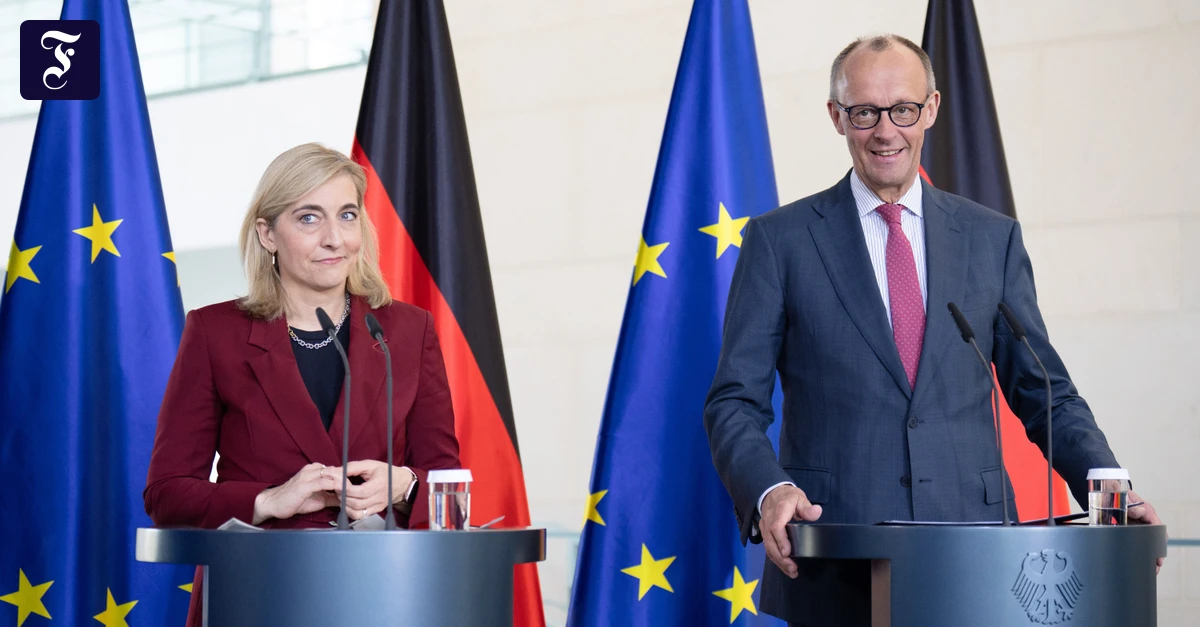
Berlin – In a move designed to curb rising healthcare costs and maintain stable contribution rates for insured individuals, the German Federal Cabinet has approved a comprehensive reform package for the statutory health insurance system (GKV). The reforms, presented by Federal Health Minister Nina Warken and Chancellor Merz, address concerns over escalating expenses and aim to ensure a high level of healthcare provision for the future. The initiative seeks to align spending with revenue across all areas of the healthcare system, placing a cap on price increases and remuneration based on actual cost development, with the average growth of gross wages serving as an upper limit.
The reforms reach as Germany’s healthcare spending has seen significant growth in recent years, leading to substantial increases in contributions for those insured. The government’s goal is to halt this trend and provide a sustainable financial foundation for the GKV, preventing further one-sided burdens on both insured individuals and businesses. According to Minister Warken, the reforms create the foundation for the “sustainable financial stability of the statutory health insurance.”
Key Measures of the GKV Reform
The approved legislation introduces a series of measures targeting various aspects of healthcare spending. A central tenet of the reform is the principle that expenditures must align with available revenues across all performance areas of the healthcare system. Which means a permanent limitation on the increase in prices and remuneration, tied to actual cost development, with the growth of gross wages acting as a ceiling. The government aims to ensure that healthcare expenditures demonstrably benefit insured individuals, leading to the elimination of reimbursement for homeopathic medicines and cannabis blossoms.

Regulations that have led to double payments or perverse incentives will likewise be abolished. In the pharmaceutical sector, an additional manufacturer surcharge will be introduced, and the discount that pharmacies must grant to legally insured patients on prescription drugs will be increased. The remuneration of executives at health insurance funds will be capped, as will their administrative and advertising expenses.
A significant change involves the co-payment contributions of insured individuals, which have remained unchanged since 2004. These contributions will be increased by 50 percent in a one-time adjustment. The monthly contribution assessment ceiling will also be raised by 300 euros, also as a one-time measure.
Financial Implications and Deficit Coverage
The reforms are projected to have a substantial impact on the financial stability of the GKV. The “Finanzkommission Gesundheit” (Health Finance Commission), established by Minister Warken, determined that GKV expenditures are expected to exceed revenues by more than 15 billion euros in 2027. This gap is projected to widen to over 40 billion euros by 2030. The reforms aim to close this deficit without increasing contribution rates.
The government’s plan relies on a combination of reduced expenditures and increased revenues, aiming for a total effect of around 16 billion euros in 2027, with nearly 14 billion euros coming from cost savings. While the plan is sufficient to cover the projected shortfall in 2027 and 2028, a gap of 800 million euros is anticipated in 2029, and 2.3 billion euros in 2030, raising questions about the long-term sustainability of contribution rate stability. According to reports, the promised contribution stability is not guaranteed beyond 2030 based on current projections.
Impact on Insured Individuals and the Healthcare System
The reforms are expected to affect a broad range of stakeholders within the German healthcare system. Insured individuals will witness a one-time increase in co-payment contributions and a higher contribution assessment ceiling. Still, the government emphasizes that these measures are necessary to prevent further increases in contribution rates and maintain a high quality of care.
The elimination of reimbursement for homeopathic medicines and cannabis blossoms will likely impact patients who rely on these treatments. The capping of executive remuneration and administrative expenses at health insurance funds is intended to improve efficiency and reduce costs. The introduction of a manufacturer surcharge in the pharmaceutical sector and increased pharmacy discounts aim to lower drug prices.
the reforms address the financing of healthcare costs for recipients of basic social assistance, with a long-awaited shift towards funding these costs from tax revenues. This represents a significant change in the financial structure of the GKV.
Next Steps and Implementation
The draft law for stabilizing GKV contribution rates has been approved by the Federal Cabinet and will now be submitted to the Bundestag (German Parliament) and the Bundesrat (Federal Council) for further consideration. The legislation is expected to come into force at the latest in 2027.
The successful implementation of the reforms will depend on the cooperation of all stakeholders within the healthcare system, including insurers, healthcare providers, and pharmaceutical companies. Ongoing monitoring and evaluation will be crucial to assess the effectiveness of the measures and make adjustments as needed to ensure the long-term financial stability and sustainability of the GKV.
The next key checkpoint will be the debate and vote on the legislation within the Bundestag and Bundesrat, with a projected implementation date of 2027. Stay tuned to World Today Journal for further updates on this developing story.
What are your thoughts on the German healthcare reforms? Share your comments below and let us realize how you think these changes will impact the future of healthcare in Germany.
Worth a look