
Putin and Trump Discuss Ukraine Conflict, Potential Truce
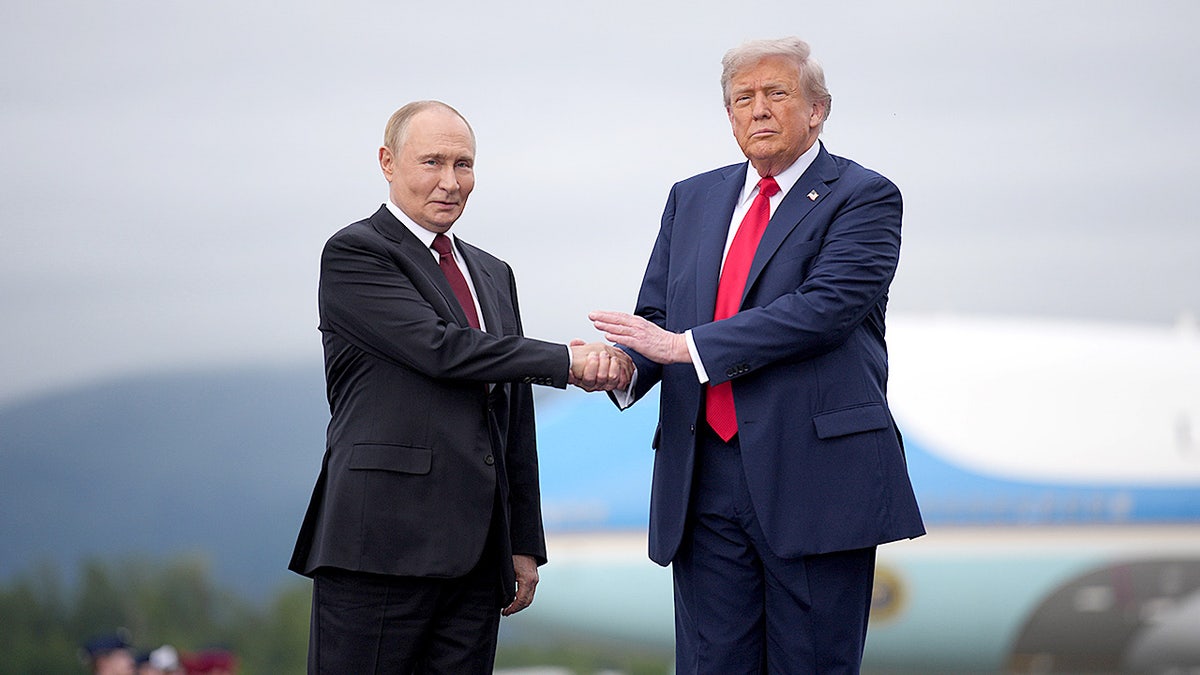
In a surprising development, Russian President Vladimir Putin and former U.S. President Donald Trump engaged in a lengthy conversation, reportedly lasting an hour and a half, raising questions about the potential for a shift in the ongoing conflict in Ukraine. The discussion, confirmed by both sides, centered on proposals for a potential truce, particularly coinciding with the anniversary of Victory Day – May 9th – marking the Soviet Union’s victory over Nazi Germany in World War II. This overture comes as the war in Ukraine continues to rage, with no immediate end in sight, and as international efforts to mediate a ceasefire have repeatedly stalled.
According to reports, Putin proposed a ceasefire to Trump, a suggestion the former U.S. President publicly endorsed. This has sparked considerable debate and scrutiny, with Ukrainian officials expressing skepticism and Western allies reacting cautiously. The timing of the proposal, linked to the symbolic date of Victory Day, is significant, as it allows Putin to potentially portray any cessation of hostilities as a demonstration of strength and a fulfillment of historical obligations. The conversation highlights Trump’s continued influence within certain political circles and raises questions about the potential implications for U.S. Policy towards Ukraine should he regain office.
Trump’s Endorsement and Putin’s Proposal
Donald Trump confirmed the conversation in a post on his social media platform, Truth Social, stating that Putin had suggested a truce. He indicated that Putin is “very much looking at” a ceasefire, particularly in connection with Victory Day. Trump further claimed to have offered potential solutions, though details remain scarce. “He’s looking at it, and I’m sure he’s thinking about it,” Trump said, according to ABC News. The former president has consistently expressed a desire to end the conflict quickly, and his willingness to entertain Putin’s proposal underscores his unconventional approach to foreign policy.

Putin’s proposal, as reported by RTVE.es, frames the potential truce as a gesture linked to the 79th anniversary of the Soviet victory in World War II. This framing is likely intended to appeal to a sense of historical continuity and national pride within Russia. The suggestion comes amidst ongoing Russian military operations in eastern Ukraine, where fierce fighting continues. While the Kremlin has not publicly detailed the specifics of the proposed truce, We see believed to involve a cessation of hostilities on both sides. The offer also reportedly included a warning from Putin regarding potential “consequences” should the United States attack Iran, as reported by El Español.
Ukrainian Response and International Reactions
The Ukrainian government has reacted with a mixture of skepticism and resignation to the news of the conversation and the proposed truce. Officials have expressed a deep distrust of Putin’s intentions, pointing to Russia’s history of violating ceasefires and its continued aggression in Ukraine. There is a growing sense in Kyiv that relying on the United States for support is becoming increasingly uncertain, particularly given the potential for a change in administration after the upcoming U.S. Presidential election. As The Atlantic notes, Ukraine has “finally given up on Trump,” recognizing the unlikelihood of securing meaningful assistance from a second Trump administration.
Western allies have responded cautiously to the developments. While acknowledging the importance of any efforts to de-escalate the conflict, many officials have expressed concerns about the credibility of Putin’s proposal and the potential for it to be used as a tactic to consolidate Russian gains on the battlefield. The United States government has not officially commented on the conversation between Putin and Trump, but sources within the Biden administration have indicated that any ceasefire must be negotiated directly with Ukraine and must ensure the country’s sovereignty and territorial integrity. The European Union has also called for a just and lasting peace in Ukraine, emphasizing the need for Russia to withdraw its forces from all Ukrainian territory.
The Shifting Dynamics of the Conflict
The conversation between Putin and Trump underscores the complex and evolving dynamics of the conflict in Ukraine. The war has become a proxy battle between Russia and the West, with significant geopolitical implications. The potential for a change in U.S. Leadership adds another layer of uncertainty to the situation. Trump’s willingness to engage with Putin and his expressed desire for a quick resolution raise questions about the future of U.S. Policy towards Ukraine and the broader security architecture in Europe. The conflict has also had a profound impact on global energy markets, food security, and international relations.
reports suggest a degree of confusion in Trump’s understanding of the conflict, with elDiario.es reporting that Trump mistakenly referred to Iran as being “defeated” and having “159 ships sunk,” seemingly conflating the situation in Ukraine with another geopolitical hotspot. This incident highlights the potential risks associated with relying on informal diplomatic channels and the importance of accurate information in navigating complex international crises.
Looking Ahead
The coming weeks will be crucial in determining the fate of the proposed truce and the future of the conflict in Ukraine. The anniversary of Victory Day on May 9th represents a potential deadline for negotiations, while it remains unclear whether any meaningful progress will be made. The Ukrainian government is likely to demand guarantees of its sovereignty and territorial integrity as a precondition for any ceasefire, while Russia is likely to seek concessions that would solidify its control over occupied territories. The role of the United States, and the outcome of the upcoming presidential election, will also be a key factor in shaping the course of the conflict.
The international community will continue to monitor the situation closely, seeking to de-escalate tensions and prevent further bloodshed. Efforts to provide humanitarian assistance to Ukraine and to hold Russia accountable for its actions will also remain a priority. The conflict in Ukraine has already had a devastating impact on millions of lives, and a lasting resolution is urgently needed to prevent further suffering and to restore peace and stability to the region.
The next significant development to watch for will be any official statement from the Ukrainian government regarding their response to Putin’s proposal and the potential for negotiations. Readers are encouraged to share their thoughts and perspectives on this evolving situation in the comments section below.
- Senators Question Trump Over Diamond Industry’s ‘Cartoonish Bribe’ Ring for Tariff Exemptions
- Air India Pilot Tests Positive for Marijuana After Plane Plummets 300 Feet
- Trump Administration Directs $900 Million to White House Construction (time.news)
- Ukraine War: Russia Declares State of Emergency in Novorossiysk After Drone and Missile Attacks (newsdirectory3.com)