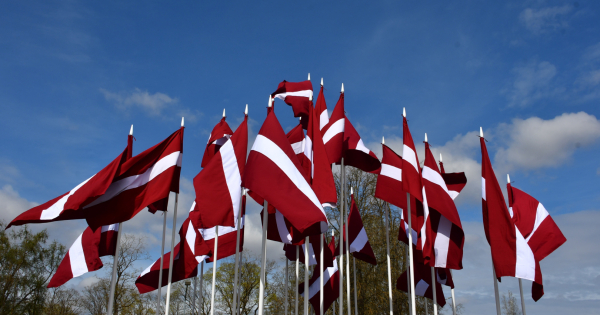
Jēkabpils, Latvia, is preparing for a series of events to commemorate the Restoration of Latvian Independence Day on May 4th. This annual observance marks the 1990 declaration by the Supreme Soviet of the Latvian SSR asserting the nation’s independence, a pivotal moment in Latvian history. The celebrations in Jēkabpils and the surrounding region will span several days, beginning May 3rd, and offer a diverse range of activities, from artistic workshops to festive concerts and community events. This year’s commemorations come as Latvia continues to navigate a complex geopolitical landscape and reaffirm its commitment to democratic values and national sovereignty.
The significance of May 4th extends beyond a simple historical marker; it represents a collective memory of a peaceful struggle for self-determination. Following decades under Soviet rule, the declaration of independence in 1990 was a watershed moment, paving the way for full international recognition and the establishment of a modern, independent Latvia. The restoration of independence wasn’t merely a political act but a cultural and societal rebirth, allowing Latvians to reclaim their language, traditions, and national identity. Today, the annual celebrations serve as a reminder of the sacrifices made and the importance of preserving freedom and democracy for future generations.
A Weekend of Commemorative Events in Jēkabpils
The festivities in Jēkabpils will officially kick off on May 3rd with a cityscapes sketching workshop led by Dainas Domašūte at the Jēkabpils Culture House at 5:00 PM. According to the Jēkabpils City Council, the workshop offers participants the opportunity to learn urban sketching techniques and create their own artwork. Tickets are available for €5 at the Jēkabpils Culture House box office, located at Pasta iela 39, and potentially at the venue before the event, subject to availability. Later that evening, at 10:00 PM, the Jēkabpils Culture House will host a celebratory ball featuring the musical group “Kreicburgas ziķeri.” Tickets for the ball are also priced at €5 and can be purchased in advance or reserved with tables at the Jēkabpils Culture House box office. Those seeking information can contact 20371519.

May 4th itself will begin with a call for families to observe the “White Tablecloth Festival,” a tradition initiated by the Latvian State Centenary Bureau in 2016. The initiative encourages families to set a table with a white tablecloth, fostering conversation and togetherness in honor of the nation’s independence. As reported by JKP.lv, Krustpils Castle will be open to visitors free of charge from 10:00 AM to 4:00 PM on May 4th. In the afternoon, a bicycle ride titled “We for Latvia” will take place, inviting cyclists of all levels to participate in a community ride. Participants will gather at 4:30 PM in the square near the green market opposite the Mini Rimi store on Rīgas iela 103 in Krustpils.
Historical Context: The Road to Independence
The declaration of May 4th, 1990, was a crucial step in Latvia’s journey to regaining its independence. Prior to this, Latvia had been forcibly incorporated into the Soviet Union in 1940, following a period of occupation and political upheaval. The subsequent decades were marked by suppression of Latvian culture and language, as well as political repression. However, a growing national consciousness and a desire for self-determination persisted throughout the Soviet era. The late 1980s witnessed a period of political liberalization within the Soviet Union under Mikhail Gorbachev, creating an opportunity for Latvia to assert its sovereignty. According to Wikipedia, the declaration of May 4th, 1990, was followed by the adoption of a constitutional law on August 21, 1991, officially restoring Latvia’s statehood. This followed the Restoration Act of Estonia and occurred shortly before the Soviet Union formally recognized the independence of the Baltic states on September 6, 1991, after the Russian SFSR had already done so on August 24, 1991.
Beyond Jēkabpils: National Celebrations
While Jēkabpils is hosting a robust program of events, celebrations are taking place throughout Latvia. Jauns.lv reports that a comprehensive guide to Freedom Day events across the country is available, encompassing concerts, hikes, balls, and various other activities. In Riga, the capital city, a range of official ceremonies and public events are planned, including flag-raising ceremonies, concerts, and military parades. The “Latvia of Flowers” art object, an annual tradition, will spot the public placing flowers in an outline of Latvia at the Freedom Monument.
The events in Jēkabpils and across Latvia are not simply historical reenactments; they are living expressions of national identity and a reaffirmation of democratic values. The celebrations provide an opportunity for citizens to reflect on the past, celebrate the present, and look forward to a future built on freedom, independence, and unity. The continued observance of May 4th serves as a powerful reminder of the importance of safeguarding these principles for generations to come.
As Latvia prepares to mark another year of independence, the focus remains on strengthening national resilience, fostering economic growth, and promoting cultural exchange. The events planned in Jēkabpils and throughout the country are a testament to the enduring spirit of the Latvian people and their unwavering commitment to a free and democratic future. Further updates on national celebrations can be found on the official websites of the Latvian government and local municipalities.
The next key date to watch for is August 21st, the anniversary of the constitutional law restoring Latvia’s statehood in 1991, which is likely to be marked with further commemorative events. We encourage readers to share their experiences and reflections on Latvian Independence Day in the comments below.