Spring is perhaps the most deceptive season for any wardrobe. In a matter of hours, the temperature can swing from a biting morning chill to a mild, sun-drenched afternoon, leaving many to struggle with the eternal question of transitional dressing. For those looking to balance functionality with aesthetics, the choice of outerwear becomes the focal point of the entire ensemble.
Selecting the best spring jackets for a stylish wardrobe requires more than just picking a favorite color; it involves understanding the intersection of weather patterns, occasion, and the historical utility of the garment. Whether navigating the cobblestone streets of Lisbon or the bustling avenues of New York, the right jacket serves as the definitive layer that anchors a look even as providing necessary protection against unpredictable showers and fluctuating breezes.
Among the most enduring options are the bomber, the trench coat, and the parka. Each of these garments evolved from specific functional needs—ranging from the cockpits of fighter planes to the muddy trenches of World War I—and has since transitioned into the realm of high fashion. Understanding the nuance between these three styles allows a wearer to curate a versatile capsule wardrobe that handles the volatility of spring with ease.
As we move deeper into the season, the goal is to uncover pieces that offer “breathability” without sacrificing warmth. So prioritizing materials that can repel a light drizzle but won’t cause overheating during a midday commute. By analyzing the structure, history, and styling potential of these three iconic jackets, we can determine which one best fits specific lifestyle needs.
The Bomber Jacket: From Aviation to Streetwear
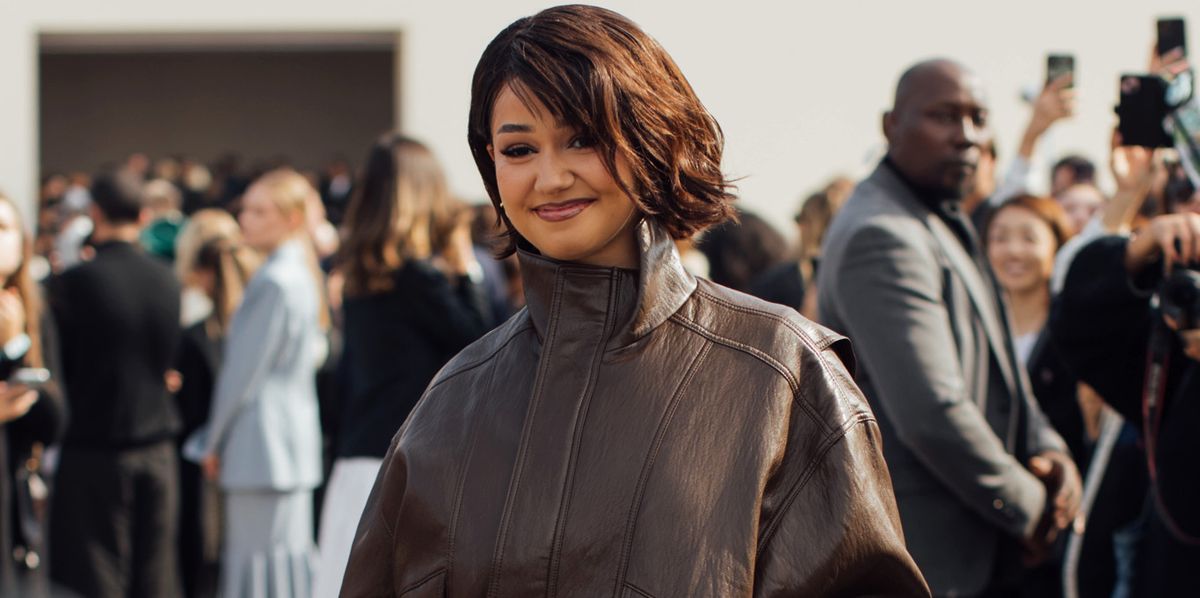
The bomber jacket is the quintessential choice for those prioritizing a casual, edgy, and youthful silhouette. Originally designed for military pilots who needed warmth and wind protection in unheated cockpits, the bomber has evolved into a global fashion staple. The most iconic version, the MA-1 flight jacket, was developed for the United States Air Force to provide a lightweight yet insulating alternative to the heavier leather jackets used in earlier eras of aviation.
In a modern spring context, the bomber is highly valued for its versatility. Because it typically hits at the waist with ribbed cuffs and a ribbed hem, it creates a structured look that doesn’t overwhelm the frame. This makes it an ideal companion for high-waisted trousers, midi skirts, or simple denim. The materials have similarly expanded; while nylon remains the standard for its water-resistant properties, satin, leather, and lightweight wool are now common for those seeking a more elevated appearance.
To style a bomber for spring, the key is contrast. Pairing a rugged, oversized nylon bomber with a delicate floral dress or a tailored pair of trousers prevents the outfit from looking too athletic. For a more minimalist approach, a monochrome palette—such as an olive or navy bomber paired with white sneakers and a neutral tee—offers a timeless, clean aesthetic that works for weekend outings or casual Fridays in the office.
The Trench Coat: The Gold Standard of Elegance
If the bomber is about edge, the trench coat is about authority and timelessness. The trench coat is perhaps the most successful example of “form following function” in fashion history. Developed in the late 19th and early 20th centuries, the garment was refined by brands like Burberry and Aquascutum to protect British officers during the First World War. Its signature features—the double-breasted front, the belted waist, and the storm flap—were all designed to maintain soldiers dry and warm in the damp conditions of the European trenches.
Today, the trench coat is the ultimate “bridge” garment for spring. Its length provides significant protection against the wind and rain, while the lightweight gabardine or cotton-blend fabrics ensure the wearer does not overheat. The neutral tones typically associated with the trench—khaki, beige, and stone—act as a blank canvas, allowing the rest of the outfit to shine.
The beauty of the trench coat lies in its ability to shift between formal and casual environments. For a professional setting, a belted trench worn over a blazer and heels conveys a sense of polished sophistication. For a more relaxed “off-duty” look, leaving the trench open and pairing it with a hoodie and leggings creates a chic, urban contrast. The addition of a waist-cinching belt is crucial here, as it prevents the voluminous fabric from swallowing the wearer’s silhouette.
The Parka: Utility for the Elements
While the bomber is for style and the trench is for elegance, the parka is for survival. The term “parka” originates from the Inuit people, who crafted hooded coats from caribou or seal skin to withstand the extreme cold of the Arctic. In the mid-20th century, the military adapted this design for cold-weather operations, leading to the creation of the M-51 and M-65 field jackets used during the Korean War.
In the context of spring, a heavy winter parka is obviously impractical. Still, the “light parka” or “spring parka” is an essential tool for those living in climates where April and May still perceive like winter. These versions often swap heavy down filling for lightweight synthetic insulation or unlined cotton canvases. The inclusion of a hood is the parka’s greatest advantage, offering immediate protection against sudden spring downpours without the require for an umbrella.
Styling a parka requires a lean toward the “gorpcore” or utilitarian aesthetic. Because the parka is inherently bulky and functional, it pairs best with streamlined bottoms—such as slim-fit chinos or leggings—to maintain a balanced proportion. To keep the look from appearing too “camping-trip,” integrate a few refined elements, such as a leather boot or a structured handbag, to signal that the outfit is a conscious style choice rather than a purely practical one.
Comparing the Contenders: Which One to Choose?
Choosing between these three depends entirely on the “mission” of your day. A morning spent running errands requires a different energy than a late-afternoon business meeting or a rainy walk through a city park. To simplify the decision, consider the primary driver of your choice: weather, occasion, or silhouette.
| Feature | Bomber Jacket | Trench Coat | Spring Parka |
|---|---|---|---|
| Primary Vibe | Casual / Urban / Edgy | Professional / Elegant | Utilitarian / Outdoorsy |
| Weather Protection | Wind-resistant (Light) | Water-resistant (Medium) | Weather-proof (High) |
| Best For | Coffee dates, weekends | Office, formal events | Rainy days, hiking, travel |
| Key Silhouette | Cropped and Voluminous | Long and Structured | Mid-length and Relaxed |
The “Decision Tree” for Spring Dressing
- Is it raining heavily? Reach for the Parka. The hood and durable fabric are non-negotiable for staying dry.
- Are you heading to a professional meeting? The Trench Coat is the only choice. It signals competence and timeless style.
- Is it a mild, sunny day with a light breeze? The Bomber Jacket provides the perfect amount of warmth without being cumbersome.
- Do you want to look “put together” but feel relaxed? A Trench Coat worn open over a white t-shirt and jeans is the gold standard of “effortless” fashion.
Investment and Sustainability in Outerwear
When selecting a spring jacket, the temptation is often to follow “quick fashion” trends. However, the bomber, trench, and parka are all “heritage” pieces. This means that investing in a high-quality version of these garments is more sustainable and cost-effective in the long run. A well-made trench coat in a high-density cotton gabardine can last decades, whereas a synthetic alternative may peel or lose its shape within a single season.
When shopping, look for reinforced stitching at the seams and high-quality hardware (zippers and buttons). For the bomber, check that the ribbing on the cuffs is firm and doesn’t stretch out easily. For the parka, ensure the hood is securely attached and the water-repellent coating is evenly applied. By choosing timeless silhouettes over trendy colors, you ensure that your spring wardrobe remains relevant year after year.
Key Takeaways for Spring Styling
- Prioritize Versatility: Choose neutral colors (beige, navy, olive, black) to ensure your jacket matches the majority of your wardrobe.
- Balance Proportions: Pair voluminous tops (like bombers or parkas) with slimmer bottoms, and structured long coats (like trenches) with a variety of silhouettes.
- Check the Fabric: Ensure your choice matches the expected weather—nylon for wind, gabardine for light rain, and treated cotton for heavy elements.
- Embrace the History: Understanding the military origins of these pieces helps in styling them with an authentic, authoritative edge.
Frequently Asked Questions
Can I wear a bomber jacket to the office?
Yes, provided the environment is “business casual.” To make a bomber office-appropriate, avoid overly bright colors or athletic fabrics. Choose a bomber in a structured material like wool or matte leather and pair it with tailored trousers and a button-down shirt.
Is a trench coat too formal for a casual weekend?
Not at all. The secret to dressing down a trench coat is in the styling. Leave it unbelted and open, roll up the sleeves slightly, and pair it with sneakers and a graphic tee. This creates a high-low contrast that is very popular in modern urban fashion.
What is the difference between a parka and a field jacket?
While often used interchangeably, a parka typically features a hood and a longer length for more warmth. A field jacket (like the M-65) is usually shorter, may not have a hood, and features more prominent external pockets for utility. Both are excellent for spring, but the parka is superior for rain.
As the weather continues to shift, the next major checkpoint for wardrobe adjustment will be the transition into early summer, typically occurring in late May or early June, when heavier outerwear is replaced by light blazers and cardigans. Until then, the bomber, trench, and parka remain the most reliable tools for navigating the complexities of spring.
Which of these three is your go-to for the season? We invite you to share your favorite styling tips or ask questions about transitional dressing in the comments below.