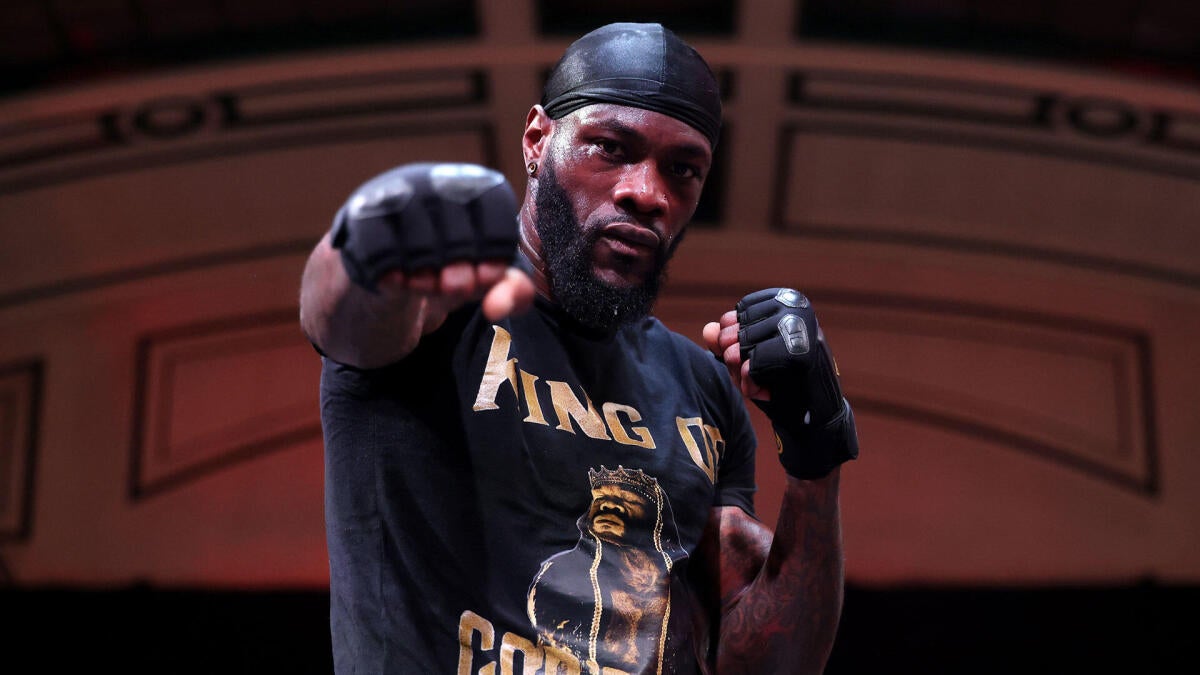
Heavyweight boxing is a sport of margins, where the difference between a legendary legacy and a cautionary tale is often measured in a few inches of chin or a split second of delayed reaction. For Deontay Wilder, the “Bronze Bomber,” that margin has been narrowing for years. The recent clash between Wilder and Derek Chisora provided a definitive answer to a question that has haunted the boxing world since the conclusion of the Tyson Fury trilogy: is there enough left in the tank to justify the risk?
On paper, the result may look like a victory—a hard-fought points decision that keeps the win column moving. But for those watching closely, the victory felt hollow, overshadowed by a visible decline in the physical resilience that once made Wilder an indomitable force. While the victory may satisfy the immediate hunger for a win, the performance served as a stark reminder that the physical cost of competing at the elite level has finally caught up with one of the hardest punchers in the history of the sport.
The argument for Deontay Wilder’s retirement is no longer about his ability to win a fight; it is about the preservation of the man behind the gloves. For a fighter who has spent a decade absorbing the most powerful blows humanly possible, the fight against Derek Chisora should mark the end of his career, regardless of the judges’ scorecards. To continue is to gamble with a currency that cannot be recovered: neurological health.
The Cumulative Toll of the Heavyweight Division
To understand why What we have is the right moment for Wilder to step away, one must look at the trajectory of his recent battles. Wilder’s career can be divided into two distinct eras: the era of dominance, where his devastating right hand ended fights with terrifying efficiency, and the era of attrition. The latter began in earnest during his series of fights against Tyson Fury, where the “Bronze Bomber” experienced a level of physical punishment he had rarely encountered in his early career.
In the heavyweight division, “damage” is not merely about a single knockout or a broken bone; it is about the cumulative effect of sub-concussive and concussive blows. According to medical research on combat sports, repeated head trauma can lead to long-term cognitive impairment and Chronic Traumatic Encephalopathy (CTE), a degenerative brain disease found in athletes with a history of repetitive brain trauma Mayo Clinic. For Wilder, the pattern of being knocked down and the struggle to recover his equilibrium in later rounds has become a troubling trend.
The fight against Derek Chisora exacerbated these concerns. Chisora, known for his relentless pressure and durability, is a “grinder” who forces opponents into grueling, physical wars. While Wilder managed to navigate the distance and secure a points win, the fluidity of his movement was gone, and his defensive lapses were more frequent. When a fighter starts “taking tons of damage” in fights they are expected to control, the warning signs are no longer subtle—they are screaming.
The Paradox of the Right Hand
The tragedy of Deontay Wilder’s current position is the paradox of his own power. Since he possesses one of the most lethal right hands in boxing history, there is always a temptation to continue. The belief is that one punch can change everything—that one lucky shot could propel him back into a title conversation or a massive payday. However, this “puncher’s chance” is a dangerous lure that often keeps fighters in the ring long after their defensive capabilities have eroded.

The reality is that while Wilder’s power remains, his ability to protect himself has diminished. In boxing, power is a weapon, but defense is a shield. When the shield breaks, the weapon becomes irrelevant. Against Chisora, the shield was visibly cracked. The timing that once allowed Wilder to slip punches and counter with precision has slowed, leaving him more exposed to the kind of heavy impact that leads to permanent injury.
For a global audience, the spectacle of a Wilder knockout is thrilling. But from a journalistic and ethical standpoint, the question must be: at what cost? Retiring now allows Wilder to leave the sport as a former WBC heavyweight champion—a man who broke a long drought of American champions and redefined the knockout statistics of the modern era. Continuing risks a finish that could strip him of his health and his dignity.
Legacy vs. Longevity: The Hard Choice
Many fighters struggle with the transition from the roar of the crowd to the silence of retirement. For Wilder, the ring has been his primary identity for years. However, the most courageous act a fighter can perform is not standing up after a knockdown, but knowing when to hang up the gloves. The history of boxing is littered with legends who stayed too long, transforming their highlight reels into tragedies of decline.
Wilder’s legacy is already secure. He held the World Boxing Council (WBC) title from 2015 to 2020, cementing his place in the annals of the heavyweight division. He proved that he could dominate a generation of fighters with a level of power that few have ever matched. By retiring now, he preserves that image of the “Bronze Bomber” at his peak, rather than allowing the public to remember him as a fighter who was simply too stubborn to stop.
the financial incentives of boxing often clash with the medical realities of the sport. While another high-profile fight might offer a significant purse, no amount of money can compensate for the loss of cognitive function or the onset of early-onset dementia. The transition to a post-fighting career—whether in coaching, broadcasting, or business—is a far more sustainable path than chasing a ghost of former glory in the ring.
Comparison of Career Phases: The Shift in Performance
| Attribute | The Dominant Era (2015-2019) | The Attrition Era (2020-Present) |
|---|---|---|
| Defensive Stability | High agility and reflexive slipping | Increased vulnerability to heavy shots |
| Conditioning | Strong early-round explosive energy | Visible fatigue in championship rounds |
| Ring Generalship | Controlled the pace via intimidation | More reactive; struggled with pressure |
| Recovery | Rarely shaken or knocked down | Multiple high-impact knockdowns |
The Broader Implications for Fighter Safety
Wilder’s situation is a case study in the need for better health monitoring in professional boxing. The sport has made strides in safety, but the “warrior culture” often encourages fighters to push through injuries and trauma that would be unthinkable in other professional sports. When a fighter shows a “troubling trend” of taking significant damage, the responsibility should fall not only on the athlete but also on the promoters, trainers, and sanctioning bodies to advocate for their well-being.
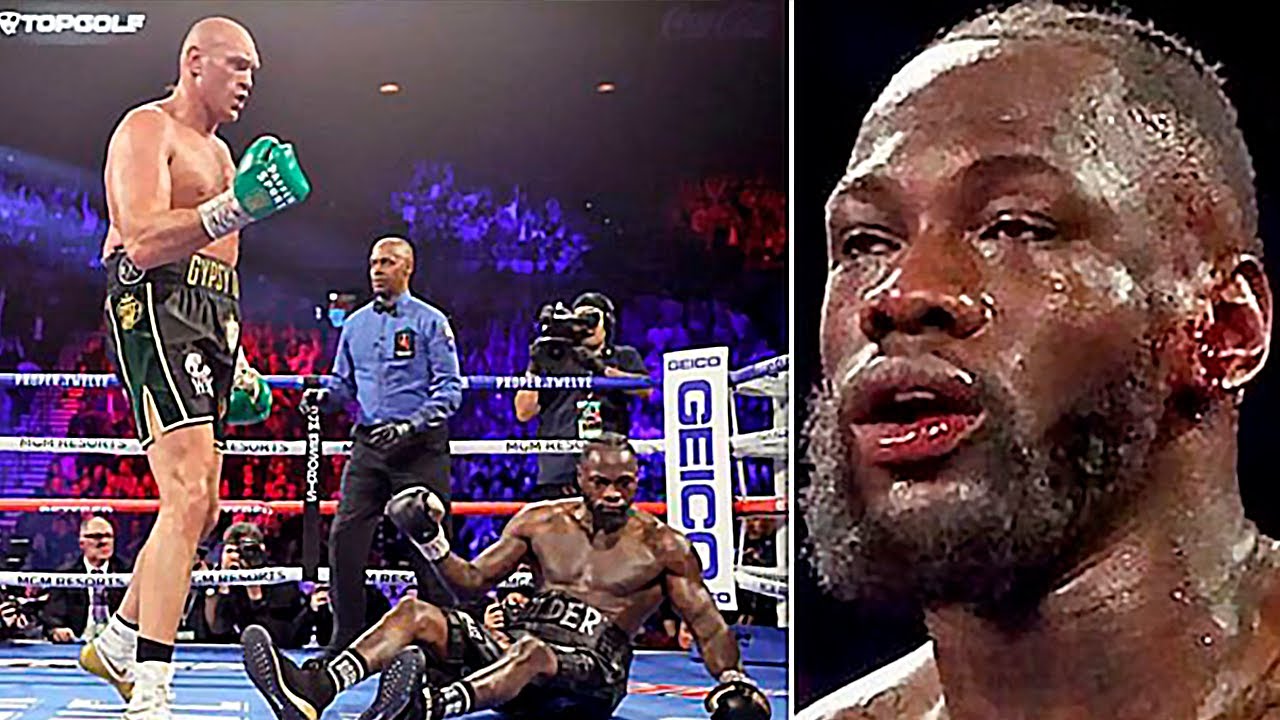
The fight against Chisora should serve as a catalyst for a conversation about mandatory neurological screenings for veteran heavyweights. If a fighter’s reaction time slows or their ability to absorb punishment drops significantly, should there be a mechanism to encourage retirement? While the autonomy of the athlete is paramount, the duty of care must be prioritized to prevent avoidable tragedies.
For Wilder, the decision to retire is a personal one, but it is one that should be informed by medical reality rather than competitive desire. The “Bronze Bomber” has given the sport everything. He has provided some of the most electrifying moments in 21st-century boxing. He owes the sport nothing more.
Conclusion: The Final Bell
Deontay Wilder’s victory over Derek Chisora may be recorded as a “W” in the record books, but the true victory would be the decision to walk away. Boxing is a brutal science, and Wilder has mastered the art of the knockout. Now, he must master the art of the exit.
The risks have now outweighed the rewards. The damage is cumulative, the decline is evident, and the legacy is already written. By stepping away now, Wilder ensures that he can enjoy the fruits of his labor with his health intact, leaving the ring on his own terms before the ring decides for him.
The next confirmed checkpoint for Wilder will be the official medical review and post-fight evaluations following the Chisora bout. These results will be critical in determining his fitness for future competition, though the visual evidence suggests the answer is already clear.
Do you believe Deontay Wilder should retire now to preserve his health, or does he still have one more big fight left in him? Share your thoughts in the comments below.