
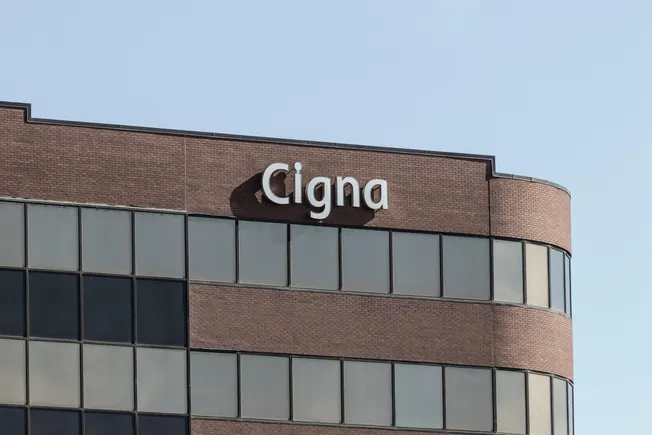
Berlin, Germany – In a surprising move given its recent financial performance, Cigna announced on Thursday it will exit the Affordable Care Act (ACA) exchanges by the end of the year. The company is also exploring a potential sale of EviCore, its subsidiary specializing in medical claims reviews, citing a strategic shift towards pharmacy services and employer-sponsored plans. This decision impacts approximately 369,000 Americans across 11 states who will necessitate to find alternative health insurance coverage.
The announcement comes as Cigna reported a first-quarter profit of $1.7 billion, a 25% increase year-over-year. Despite this substantial profit growth, executives indicated that both the ACA exchanges and EviCore had become more trouble than they were worth, signaling a deliberate effort to streamline the company’s portfolio. The move reflects a broader trend of insurers reassessing their involvement in the ACA marketplaces, particularly following the expiration of more generous subsidies at the end of last year, which has led to increased unaffordability for many consumers.
ACA Exchange Challenges and the Subsidy Landscape
The Affordable Care Act exchanges, established under the 2010 healthcare law, were designed to provide affordable health insurance options to individuals and families who do not have access to coverage through their employers. However, the marketplaces have faced ongoing challenges, including fluctuating premiums and limited plan choices in certain areas. The expiration of enhanced subsidies, initially implemented to mitigate premium increases, has exacerbated these issues, making coverage less accessible for many Americans. This affordability crisis is a key factor in Cigna’s decision to withdraw from the exchanges.

Cigna’s exit leaves a gap in the market, potentially reducing competition and further limiting options for consumers in the affected states. The states impacted by Cigna’s withdrawal have not yet been officially disclosed, but the company indicated it will work to ensure a smooth transition for its current members. Individuals currently enrolled in Cigna ACA plans will receive notifications and guidance on how to explore alternative coverage options during the upcoming open enrollment period.
EviCore Under Scrutiny: A Controversial Claims Review Process
Alongside its ACA exchange departure, Cigna is also considering the sale of EviCore, a subsidiary that performs prior authorization and utilization management for insurers. EviCore’s role involves reviewing medical requests to determine whether proposed treatments or procedures are medically necessary and meet coverage criteria. This process, while intended to control healthcare costs, has drawn criticism from patients and providers alike.

Concerns surrounding EviCore center on allegations of delayed care and denials of medically necessary treatments. Intensifying public scrutiny regarding these issues appears to be a significant driver behind Cigna’s decision to explore a sale. The company has faced mounting pressure to address concerns about transparency and fairness in its utilization management practices. The potential sale of EviCore could signal a broader industry trend of insurers distancing themselves from controversial claims review processes.
The Role of Prior Authorization and Utilization Management
Prior authorization, a common practice in health insurance, requires healthcare providers to obtain approval from the insurer before performing certain medical services. Utilization management encompasses a range of techniques used by insurers to review the appropriateness and medical necessity of healthcare services. While these practices are intended to prevent unnecessary spending and ensure quality of care, they can also create administrative burdens for providers and delays in patient access to treatment.
Critics argue that prior authorization requirements can interfere with the doctor-patient relationship and lead to denials of care based on arbitrary or overly restrictive criteria. The American Medical Association (AMA) has long advocated for reforms to prior authorization processes, calling for greater transparency and standardization. The debate over prior authorization highlights the ongoing tension between cost containment and access to care in the U.S. Healthcare system.
Cigna’s Strategic Shift and Leadership Transition
Cigna’s decision to exit the ACA exchanges and potentially sell EviCore aligns with a broader strategic shift towards pharmacy services and employer-sponsored plans. The company has been actively investing in its Evernorth Health Services segment, which provides pharmacy benefit management, specialty pharmacy, and other healthcare services. This focus reflects a belief that these areas offer greater potential for growth and profitability.
The strategic realignment is occurring alongside a leadership transition. David Cordani, Cigna’s CEO for nearly two decades, is set to step down this summer, with Chief Operating Officer Brian Evanko taking the helm. Evanko, who spearheaded the portfolio review that led to these decisions, emphasized the company’s commitment to “sharpening our focus on our key platforms.” This suggests a continuation of the current strategic direction under new leadership.
Cigna’s move is part of a larger trend of insurers refining their business models in response to evolving market dynamics and regulatory changes. The healthcare landscape is becoming increasingly complex, with growing pressure to control costs, improve quality, and enhance the patient experience. Insurers are adapting by focusing on areas where they believe they can achieve sustainable competitive advantages.
Key Takeaways
- Cigna is exiting the ACA exchanges by the end of 2026, impacting 369,000 Americans in 11 states.
- The company is exploring a sale of EviCore, its controversial claims review subsidiary, due to increasing scrutiny over care delays and denials.
- Cigna’s decision is driven by a strategic shift towards pharmacy services and employer-sponsored plans, coupled with a leadership transition.
- The expiration of enhanced ACA subsidies has contributed to affordability challenges in the exchanges, influencing Cigna’s exit.
The coming months will be crucial as Cigna navigates these changes and works to finalize the sale of EviCore. Further details regarding the states affected by the ACA exchange withdrawal and the timeline for the EviCore sale are expected to be released in the coming weeks. The company’s next earnings call, scheduled for July 2026, will likely provide additional insights into its strategic direction and financial performance. Consumers currently enrolled in Cigna ACA plans should begin exploring alternative coverage options in preparation for the upcoming open enrollment period.