

Netherlands Battles Widespread Wildfires, Receives Aid from Germany
The Netherlands is currently grappling with a series of escalating wildfires, fueled by prolonged drought and strong winds. The situation has become severe enough to warrant a request for international assistance, with 21 fire trucks and accompanying personnel arriving from Germany on Friday to bolster firefighting efforts. The fires are impacting multiple regions, stretching resources and prompting concerns about public safety and environmental damage. This surge in wildfire activity underscores a growing challenge for the Netherlands, a country not traditionally associated with large-scale wildfires, and highlights the increasing impact of climate change on European landscapes.
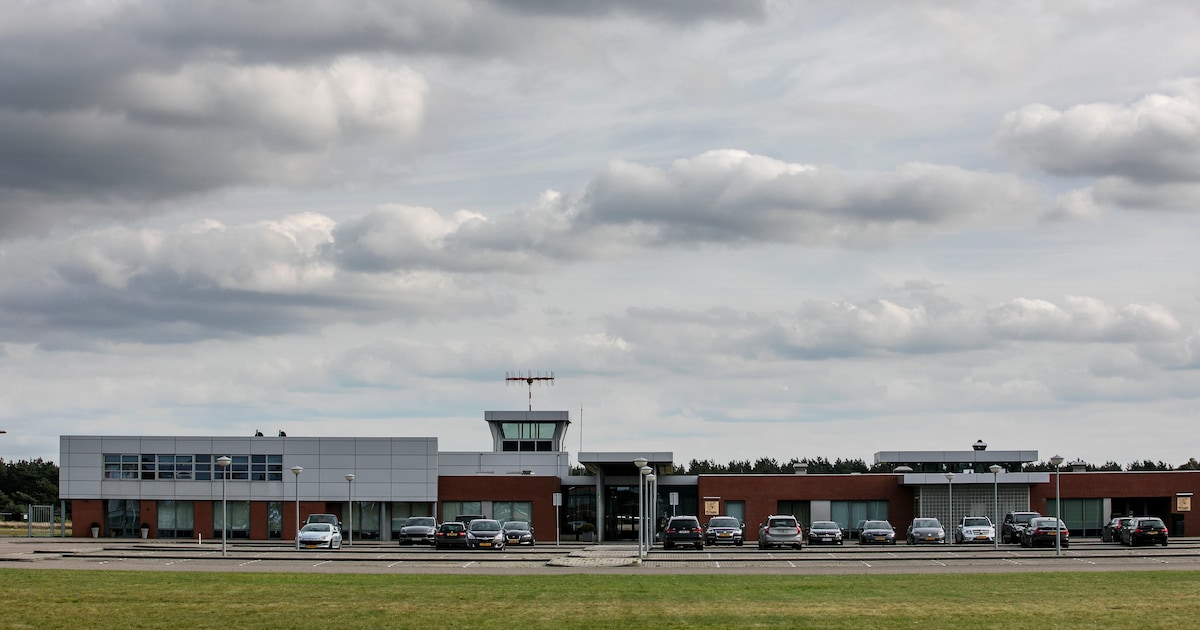
The fires are particularly concentrated in the provinces of North Brabant and Limburg, with significant blazes reported near the Kempen Airport. The airport itself was temporarily evacuated as a precautionary measure, following warnings from the Ministry of Defence regarding the elevated risk of fire. The Dutch fire service has issued an urgent appeal for European assistance, acknowledging that domestic resources are becoming increasingly strained. According to reports, the current conditions represent a unique and challenging situation, prompting the unprecedented request for external support.
Escalating Crisis and International Response
The arrival of the German fire crews represents a critical boost to the Dutch firefighting capacity. The 21 vehicles and their crews are being deployed to hotspots across the affected regions, assisting local firefighters in containing the blazes and protecting vulnerable areas. The cooperation between the Netherlands and Germany demonstrates a commitment to mutual aid in the face of escalating environmental challenges. The Dutch fire service has warned that there are currently no available fire engines to respond to new outbreaks, emphasizing the severity of the situation. This lack of available resources underscores the strain on emergency services and the urgent need for continued support.

The fires are not limited to forested areas; they are also impacting heathlands and agricultural land, causing significant damage to ecosystems and livelihoods. The prolonged dry spell, combined with strong winds, has created ideal conditions for fires to ignite and spread rapidly. Authorities are urging residents to exercise extreme caution and adhere to fire safety guidelines, including avoiding activities that could spark a blaze. The situation is further complicated by the fact that many areas are difficult to access, hindering firefighting efforts.
Kempen Airport Evacuation and Prior Warnings
The evacuation of Kempen Airport highlights the immediate threat posed by the wildfires. The Dutch Ministry of Defence had previously issued multiple warnings about the fire risk at the airport, but these warnings were not acted upon swiftly enough to prevent the need for evacuation. This incident raises questions about risk assessment and preparedness protocols at critical infrastructure sites. The airport’s temporary closure disrupted flight operations and underscored the broader impact of the wildfires on essential services.
The fires in North Brabant have been particularly devastating, with extensive areas of woodland and heathland consumed by flames. Images circulating online show vast stretches of scorched earth, illustrating the scale of the destruction. Local authorities are working to assess the full extent of the damage and provide support to affected communities. The fires have also led to concerns about air quality, with residents advised to stay indoors and close windows to avoid exposure to smoke.
Unique Request for European Assistance
The Dutch fire service’s request for European assistance is described as “unique,” reflecting the exceptional circumstances of the current crisis. This is the first time the Netherlands has sought such widespread support from other European countries to combat wildfires. The request signals a recognition that the scale of the fires exceeds the capacity of domestic resources. The European Union Civil Protection Mechanism has been activated to coordinate the delivery of assistance from member states.
The head of the Dutch fire service has warned that the situation is critical and that all available resources are being deployed to contain the blazes. The lack of available fire engines means that any new outbreaks could quickly escalate out of control. This underscores the importance of preventing new fires from starting and of maintaining a high level of vigilance. The fire service is appealing to the public to cooperate fully with safety guidelines and to report any signs of fire immediately.
Impact on Brabant and Ongoing Concerns
The province of Brabant has been particularly hard hit by the wildfires, with significant damage to natural areas and agricultural land. The fires have disrupted local communities and raised concerns about the long-term environmental impact. The province is working to provide support to affected residents and businesses, and to assess the damage to infrastructure. The fires have also highlighted the vulnerability of the region to climate change and the need for increased investment in fire prevention and preparedness.
The ongoing drought conditions are exacerbating the fire risk, and there is no immediate prospect of significant rainfall. This means that the Netherlands is likely to remain vulnerable to wildfires for the foreseeable future. Authorities are urging residents to remain vigilant and to take all necessary precautions to prevent fires from starting. The situation is being closely monitored, and further assistance may be requested if the fires continue to spread.
Key Takeaways
- The Netherlands is facing a significant wildfire crisis, driven by prolonged drought and strong winds.
- Germany has dispatched 21 fire trucks and personnel to assist Dutch firefighters.
- The Dutch fire service has issued a unique request for European assistance, acknowledging the strain on domestic resources.
- Kempen Airport was temporarily evacuated due to the fire risk, following prior warnings from the Ministry of Defence.
- The province of Brabant has been particularly hard hit, with extensive damage to natural areas and agricultural land.
The situation remains dynamic, and authorities are continuing to monitor the fires closely. Further updates will be provided as they become available. Readers are encouraged to share this information and to remain vigilant in their own communities. Please leave your comments and thoughts below.