
A psychologist from Oxfordshire has secured a landmark victory with the health ombudsman after a decade-long struggle to access permanent birth control on the NHS. Leah Spasova spent 10 years fighting for a tubal ligation procedure, only to be repeatedly denied by her local health trust based on clinical fears that she might one day regret the decision.
The case highlights a stark disparity in how the National Health Service (NHS) manages permanent contraception for different genders. While Spasova faced years of resistance and paternalistic questioning regarding her autonomy, men in the UK can typically access vasectomies—the male equivalent of sterilization—with significantly fewer barriers and shorter waiting periods.
The ruling by the Parliamentary and Health Service Ombudsman (PHSO) serves as a critical rebuke of medical paternalism, where a patient’s expressed certainty about their reproductive future is overridden by a clinician’s subjective assessment of potential future regret. For many women, this barrier transforms a medical right into a psychological endurance test.
A Decade of Denial and Medical Paternalism
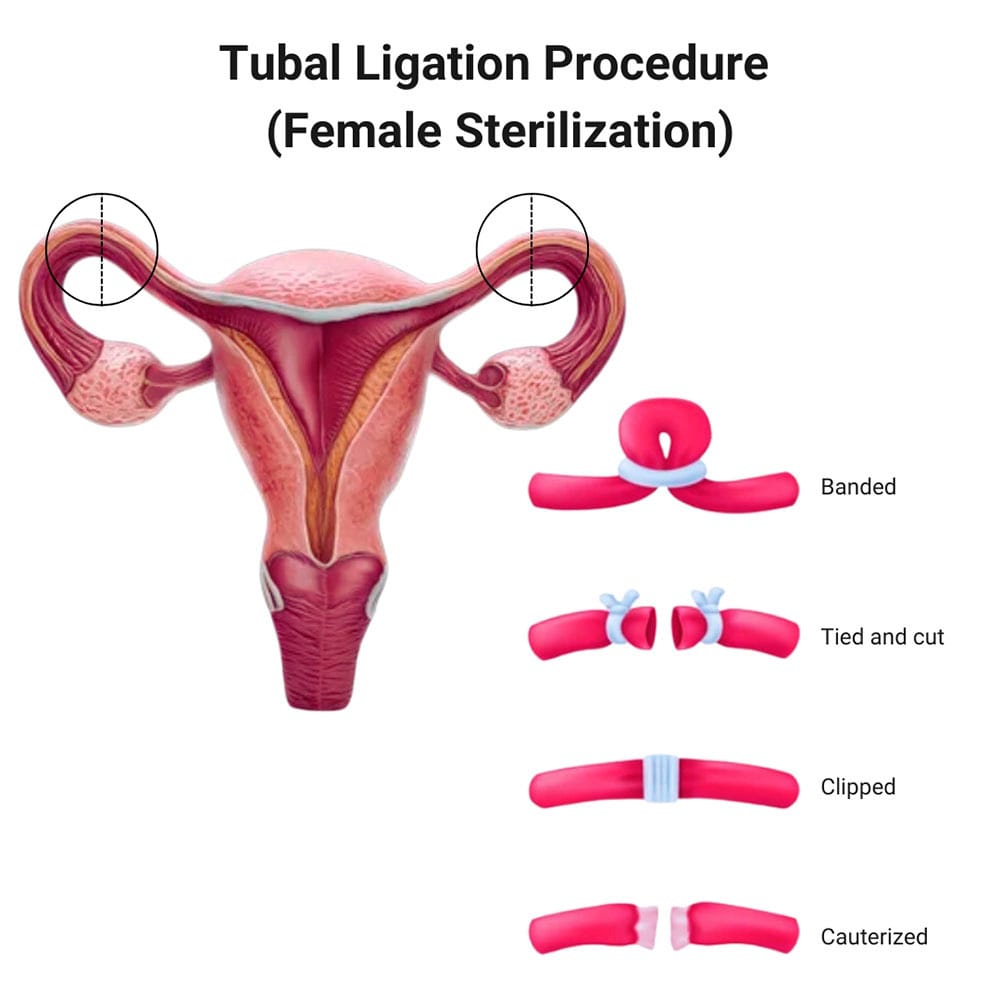
Leah Spasova, a professional psychologist, sought a tubal ligation—a surgical procedure that blocks or seals the fallopian tubes to prevent pregnancy—to permanently end her fertility. Despite her clarity of intent, the process became a 10-year ordeal. Spasova reported that her requests were met with persistent skepticism from healthcare providers within her local trust in Oxfordshire.
The primary justification for the denial was the fear of regret
. In many clinical settings, women seeking sterilization are subjected to rigorous screening to ensure they will not wish to conceive later in life. However, in Spasova’s case, this screening evolved into a prolonged denial of service. This approach is often criticized by reproductive rights advocates as a form of medical paternalism, where the provider assumes they know the patient’s future emotional state better than the patient does.
The psychological impact of being denied bodily autonomy for a decade cannot be understated. As a psychologist herself, Spasova was uniquely positioned to navigate the mental toll of the struggle, but the systemic refusal to honor her medical request remained an insurmountable wall until she escalated the matter to the ombudsman.
The Ombudsman’s Ruling on Access to Care
The Parliamentary and Health Service Ombudsman (PHSO) eventually ruled in favor of Spasova, finding that the health trust had failed in its duty of care. The ombudsman’s investigation focused on whether the trust’s refusal to provide the procedure was based on sound clinical evidence or an unjustified application of “regret” as a barrier to care.
The PHSO is the official body responsible for investigating complaints about the NHS in England. By ruling in Spasova’s favor, the ombudsman has signaled that the persistent denial of a permanent contraceptive procedure—when a patient is an informed adult capable of making a medical decision—constitutes a failure in service delivery. The ruling emphasizes that while clinicians must ensure patients are informed, they cannot indefinitely block access to a legal and available procedure based on speculative emotional outcomes.
The Gender Gap: Tubal Ligation vs. Vasectomy
The Spasova case brings into sharp focus the inequality between female and male sterilization on the NHS. There is a profound difference in the “pathway to procedure” depending on the patient’s gender.

A vasectomy is a relatively simple, minimally invasive procedure that stops sperm from being released. It is typically performed under local anesthesia and has a very short recovery time. On the NHS, men generally encounter fewer psychological hurdles and shorter waiting lists to obtain this procedure. The clinical “fear of regret” is rarely applied with the same intensity to men as it is to women.
In contrast, tubal ligation is a more complex surgical intervention, often requiring general anesthesia and a longer recovery period. Because it is more invasive, some clinicians use the surgical risk as a justification for higher barriers to entry. However, the disparity is not merely surgical but cultural. The history of reproductive medicine has often seen women’s decisions regarding their fertility scrutinized more heavily than those of men.
Comparison of Permanent Contraceptive Access
| Feature | Vasectomy (Male) | Tubal Ligation (Female) |
|---|---|---|
| Surgical Complexity | Low / Minimally Invasive | Moderate / Invasive |
| Typical Barrier | Wait times / Availability | Clinical “Fear of Regret” / Paternalism |
| Recovery Time | Short (Days) | Moderate (Weeks) |
| Decision Autonomy | Generally accepted quickly | Often scrutinized or delayed |
Why This Matters for Public Health Policy
From a public health perspective, the barriers to permanent birth control can lead to unintended pregnancies and unnecessary medical risks. When patients are denied a permanent solution they have carefully considered, they may rely on temporary methods that may not be as effective or may cause adverse side effects.
The concept of reproductive autonomy
is central to modern medical ethics. This principle dictates that individuals should have the right to make decisions about their own bodies and reproductive futures without coercion or undue interference from medical professionals. When the NHS allows “fear of regret” to supersede a patient’s informed consent, it undermines the foundational ethic of patient-centered care.
this case raises questions about the consistency of care across different NHS trusts. Patient access to sterilization can vary wildly depending on the specific policies of the local trust and the personal biases of the attending physician. This “postcode lottery” for reproductive rights is a systemic failure that requires national standardization.
The Broader Impact on Reproductive Rights
The victory for Leah Spasova is more than a personal win; it is a precedent. It provides a roadmap for other women who have been told they are “too young” or “might change their minds” when seeking permanent contraception. By successfully challenging the trust through the ombudsman, Spasova has demonstrated that medical paternalism can be legally and administratively contested.
Advocates for women’s health argue that the NHS must move toward a model of informed choice
rather than clinical permission
. In an informed choice model, the clinician’s role is to explain the risks, the permanence of the procedure and the alternatives. Once the patient demonstrates an understanding of these facts and expresses a firm desire for the procedure, the clinician’s role is to facilitate the care, not to act as a gatekeeper of the patient’s future emotions.
This shift is essential to ensure that the NHS remains an equitable provider of healthcare. The disparity between the ease of obtaining a vasectomy and the struggle for a tubal ligation is a remnant of an era where women’s reproductive choices were managed by others. In 2026, such barriers are not only outdated but are a violation of the patient’s right to self-determination.
Practical Guidance for Patients
For individuals facing similar barriers to permanent birth control on the NHS, there are several avenues for recourse. If a request for sterilization is denied, patients are encouraged to:
- Request a written explanation: Ask the clinician to provide the specific clinical grounds for the denial in your medical records.
- Seek a second opinion: Request a referral to a different consultant or trust to see if the denial is based on a national guideline or a local physician’s preference.
- Contact PALS: The Patient Advice and Liaison Service (PALS) can help navigate complaints within a specific NHS trust.
- Escalate to the Ombudsman: If internal complaints are exhausted, the Parliamentary and Health Service Ombudsman provides an independent review of maladministration.
The Spasova case underscores that persistence and the use of official oversight bodies can lead to the correction of systemic biases. As healthcare continues to evolve, the integration of reproductive autonomy into standard NHS practice is a necessary step toward true health equity.
The next significant checkpoint in this discourse will be the potential review of sterilization guidelines by NHS England to determine if national standards are needed to prevent the “regret” narrative from being used as a barrier to care. Official updates on policy changes are typically released via the NHS England publications portal.
Do you believe medical professionals should have the right to deny permanent contraception based on a patient’s age or potential for future regret? Share your thoughts in the comments below or share this article to join the conversation on reproductive autonomy.
Worth a look