
For decades, a diagnosis of colorectal cancer was often viewed as a devastating finality. But, the landscape of oncology has shifted dramatically. Modern surgical precision, targeted therapies, and a deeper understanding of the disease’s progression have transformed this diagnosis from a definitive “end of the road” into a manageable, and often curable, condition.
The shift is not merely in how we treat the disease, but in how we perceive it. Colorectal cancer is uniquely preventable since it typically follows a predictable evolutionary path. In the vast majority of cases, the malignancy does not appear overnight. instead, it develops over a decade or more from precursor lesions known as polyps. This window of opportunity is the cornerstone of modern preventative medicine.
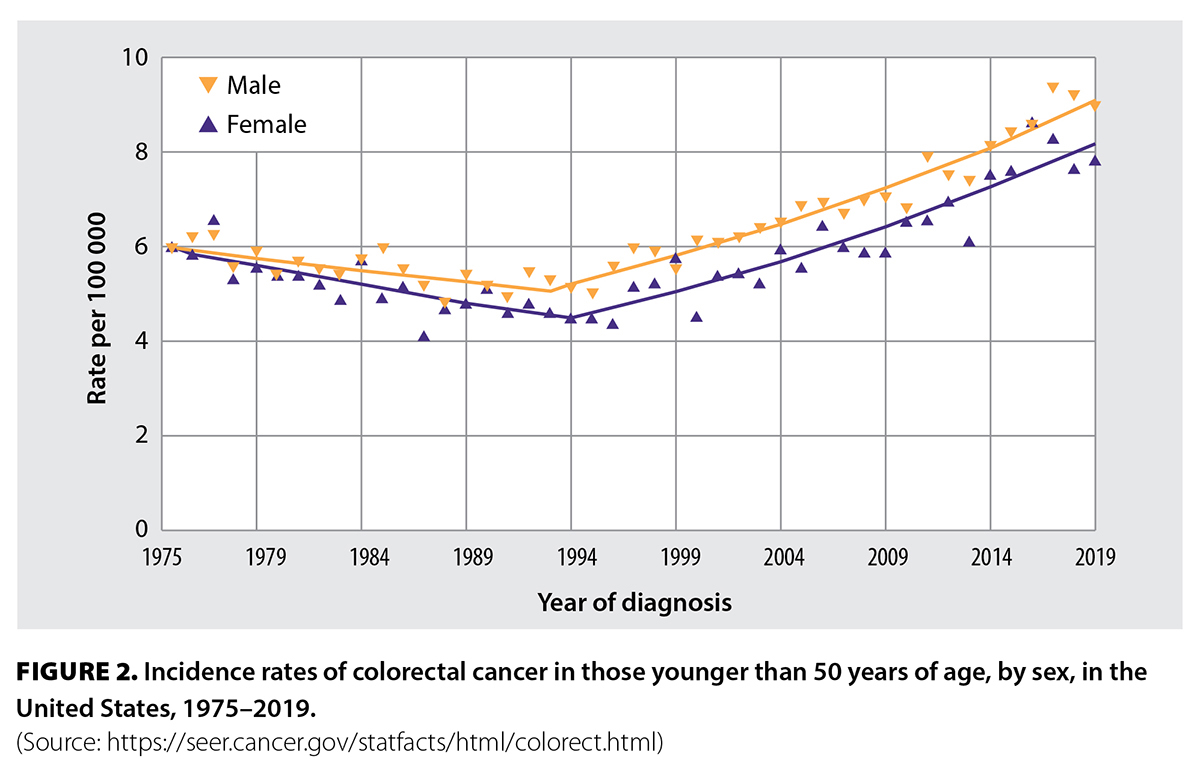
As we navigate the complexities of 2026, health professionals are sounding the alarm on a paradoxical trend: while screening is reducing incidence in older populations, there is a documented rise in early-onset colorectal cancer among adults under 50. This shift is prompting a global re-evaluation of risk factors, from dietary habits to environmental pollutants.
Understanding the distinction between medical fact and common misconception is critical for survival. When patients operate on myths—such as the belief that they are “too young” for screening or that a polyp is an automatic cancer diagnosis—they miss the critical window for intervention.
Demystifying Colorectal Cancer: Facts vs. Misconceptions
Medical experts, including specialists like Dr. Bogdan Barta, emphasize that education is the first line of defense. By dismantling common myths, patients can move from a state of fear to a state of proactive health management.
One of the most persistent myths is that polyps are synonymous with cancer. In reality, polyps are growths on the lining of the colon or rectum; while some are precancerous, many are benign. The critical value of a colonoscopy is not just in detecting cancer, but in removing these polyps before they ever have the chance to become malignant. This “interceptive” approach effectively prevents the cancer from ever forming.
Another dangerous misconception is the belief that colorectal cancer only affects the elderly. While age remains a primary risk factor, recent data indicates a shifting burden. According to the American Cancer Society’s 2026 Colorectal Cancer Statistics report, incidence rates in the U.S. Are moving in two directions: decreasing for those aged 65 and older, but increasing for those under 65, particularly in the distal colon and rectum.
many patients believe that a lack of symptoms means they are safe. Colorectal cancer is often silent in its early stages. By the time a patient experiences significant changes in bowel habits or visible blood, the disease may have progressed. This is why screening is recommended even for those who feel perfectly healthy.
The Rise of Early-Onset Cancer: Environmental Triggers
The increasing prevalence of colorectal cancer in younger adults has led researchers to look beyond genetics and lifestyle toward the “exposome”—the sum of all environmental exposures an individual encounters over their lifetime.
Recent breakthroughs in epigenetic research have identified potential chemical culprits. In April 2026, research published in Nature Medicine suggested that certain pesticides, specifically the herbicide picloram, may be linked to epigenetic fingerprints found in early-onset colon and rectal cancers. These “fingerprints” are chemical modifications to DNA that can trigger the growth of malignant cells in younger patients.
Beyond agricultural chemicals, scientists are investigating the role of per- and polyfluoroalkyl substances (PFAS), often called forever chemicals
. These synthetic compounds, found in everything from non-stick cookware to water-resistant clothing, are persistent in the human body. Emerging evidence suggests that PFAS may promote colorectal cancer progression by regulating innate immune signaling, potentially making the body less effective at fighting off early tumor growth.
While these environmental factors are concerning, experts maintain that a healthy lifestyle remains a powerful mitigator. A diet rich in fiber, regular physical activity, and the avoidance of processed meats can significantly lower the risk, even in the presence of environmental pollutants.
Modern Treatment and the Path to Recovery
The prognosis for colorectal cancer has improved significantly due to the integration of multidisciplinary care. Treatment is no longer a one-size-fits-all approach but is tailored to the specific molecular profile of the tumor.
Surgical innovation has played a pivotal role. The shift toward minimally invasive and robotic surgeries allows for the precise removal of tumors with less trauma to the surrounding tissue, leading to faster recovery times and a better quality of life. In many cases, the goal is now “sphincter-preserving” surgery, which avoids the require for a permanent colostomy bag—a primary fear for many patients.
Combined with surgery, targeted therapies and immunotherapy are now used to attack specific proteins on cancer cells, leaving healthy cells untouched. This precision medicine approach has increased survival rates and allowed many patients to return to their normal activities shortly after treatment.
Screening Guidelines for 2026
Given the rise in younger cases, screening windows have shifted. While the general recommendation for average-risk individuals often begins at age 45, those with a family history or specific symptoms should consult a physician much earlier. The Centers for Disease Control and Prevention (CDC) emphasizes that screening is the only way to find precancerous polyps before they turn into cancer.
| Test Type | Method | Frequency (Average Risk) |
|---|---|---|
| Colonoscopy | Visual exam of the entire colon | Every 10 years |
| Stool-based Tests (FIT/gFOBT) | Detection of blood in stool | Every year |
| Stool DNA (mt-sDNA) | Detection of DNA markers/blood | Every 3 years |
| CT Colonography | Virtual imaging of the colon | Every 5 years |
Key Takeaways for Patients
- Polyps are not cancer: Removing polyps during a screening is a preventative act that stops cancer before it starts.
- Age is not a shield: The rise in early-onset cases means adults in their 30s and 40s must be vigilant about symptoms.
- Environment matters: Be mindful of exposure to harsh herbicides and PFAS-containing products.
- Early detection is curative: When caught in the polyp stage or early stage 1, the survival rate is exceptionally high.
The narrative of colorectal cancer has changed from one of inevitable decline to one of proactive management. The focus is now on “interception”—finding the disease in its precursor stage and removing it entirely.
Medical communities continue to monitor the impact of environmental toxins on gut health, with further studies on picloram and PFAS expected to influence regulatory policies on chemical usage in the coming years. Patients are encouraged to maintain an open dialogue with their gastroenterologists regarding their specific risk profiles.
Do you have questions about screening or recent environmental health findings? Share your thoughts and experiences in the comments below to help others in the community.
Worth a look
- New England Journal of Medicine Ahead of Print: Latest Medical Research & Studies
- Can You Recover Lost Sleep? New Study of 85,000 People Reveals the Truth
- ZFP36L2 protein enables colorectal cancer metastasis via tissue repair (time.news)
- Age-Specific Incidence Rates of Heart Attack, Stroke, Hip Fracture, and Cancer in Men (archynewsy.com)