
For many patients, a hospital admission is intended to be a path toward recovery. But, for a significant number of individuals, the experience is complicated by the onset of a healthcare-associated infection (HAI). While clinical data often focuses on mortality rates and pathogen resistance, the lived experience of the patient—the psychological toll, the loss of autonomy, and the long-term impact on quality of life—has historically remained an overlooked area of medical research.
As a physician and journalist, I have seen how the clinical “success” of treating an infection does not always align with the patient’s perception of recovery. A patient may be clinically cleared of a bloodstream infection, yet struggle with profound anxiety or chronic fatigue that persists long after discharge. Shifting the focus toward patient engagement in HAI research is not merely a matter of empathy; it is a clinical necessity to improve long-term outcomes and patient safety.
Recent qualitative systematic reviews and patient interview studies suggest that the impact of an HAI extends far beyond the physical ailment. Patients frequently report a sense of betrayal or fear, feeling that the environment meant to heal them became the source of a new, often more dangerous, illness. By integrating the patient’s voice into the research process, the medical community can better identify the gaps in care and develop more holistic prevention strategies.
The Hidden Toll: Understanding the Patient Experience
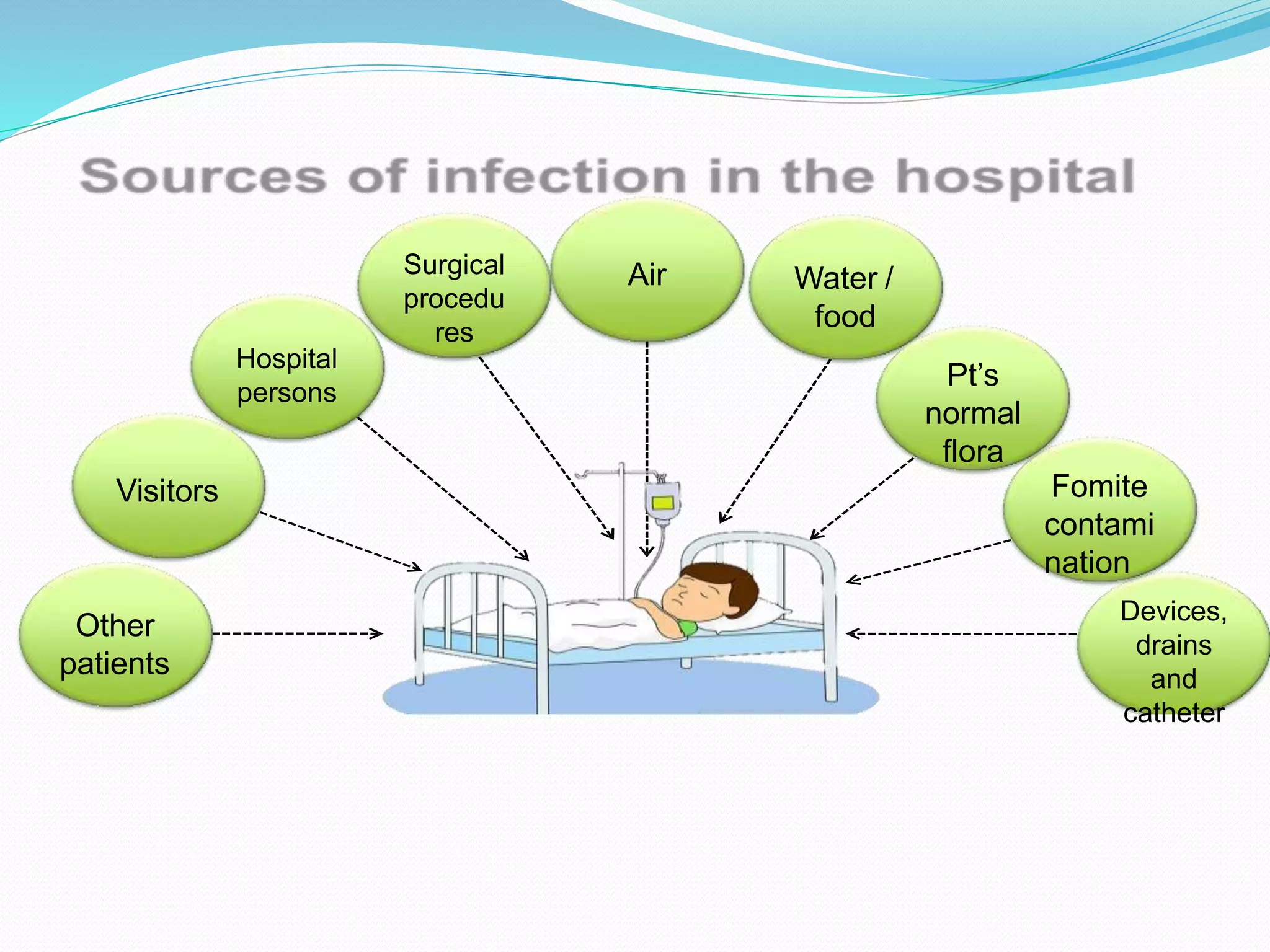
The clinical definition of a healthcare-associated infection typically focuses on the timing of the infection—occurring 48 hours or more after admission—and the specific pathogen involved. However, from the patient’s perspective, the impact is measured in lost time, emotional distress, and a fundamental shift in their relationship with healthcare providers.
Qualitative research indicates that patients often experience a profound sense of uncertainty. In one study exploring patient perspectives, participants highlighted that you don’t know what impacts it will have on your life
, reflecting the unpredictable nature of recovery from an HAI according to research indexed by PubMed. This uncertainty is often compounded by a lack of clear communication from hospital staff regarding how the infection was acquired and what the long-term prognosis might be.
The psychological impact is particularly acute in cases of deep surgical site infections or bloodstream infections. Patients may report a loss of trust in the medical system, which can lead to “medical avoidance” in the future. This phenomenon is a critical public health concern, as patients who fear hospital-acquired complications may delay seeking necessary care for other acute conditions.
Physical and Emotional Sequelae
Beyond the immediate acute phase, HAIs often leave a trail of chronic issues. For patients surviving carbapenem-resistant infections or other multi-drug resistant organisms, the recovery process is often prolonged and grueling. The physical exhaustion is frequently coupled with a feeling of isolation, as patients may sense “contaminated” or stigmatized by their status as a carrier of a resistant strain.
the financial burden on the patient—including extended hospital stays and the need for home-based nursing care—adds a layer of stress that is rarely captured in standard clinical trials. When we ignore these variables, we are only treating the infection, not the patient.
Bridging the Gap: Strategies for Patient Engagement
To move beyond a purely clinical approach, researchers are now advocating for the active involvement of patients and caregivers in the design and execution of HAI studies. This shift, known as patient and public involvement (PPI), ensures that research questions are grounded in the actual needs of those affected.

Effective engagement requires moving the patient from a passive subject to a collaborative partner. This can be achieved through several structured approaches:
- Co-designing Research: Involving patients in the initial stages of a study to determine which outcomes are most meaningful. For example, while a researcher might prioritize “time to negative culture,” a patient might prioritize “return to daily activities.”
- Patient Advisory Boards: Establishing permanent panels of HAI survivors to review protocols and provide feedback on the accessibility of information provided to patients.
- Lexical Reviews and Qualitative Feedback: Utilizing “cognitive interviews” to understand how patients describe their symptoms and experiences, which helps researchers develop more accurate health-related quality of life (HRQoL) assessments.
Research published in Infection Control & Hospital Epidemiology has explored the “lexical review” of patient involvement, emphasizing that the language used in research must be accessible to lay stakeholders to ensure genuine engagement. When patients feel heard and understood, they are more likely to provide the honest, nuanced data that leads to breakthrough prevention strategies.
Why Patient-Centric Research Matters for Public Health
Integrating the patient’s voice is not just about improving the individual experience; it has systemic benefits for hospital safety and public health policy. When patients are engaged, they often identify “near-misses” or lapses in hygiene protocols that clinical audits might miss. A patient who notices a staff member skipping a hand-sanitization step is a real-time sensor for hospital safety.
patient-led insights can drive the development of better education tools. Many patients are unaware of the simple steps they can take to protect themselves—such as asking providers to wash their hands or reporting early signs of infection. By understanding the barriers to this communication, hospitals can create more effective patient-empowerment programs.
The Role of Caregivers
It is as well crucial to recognize that the “patient experience” includes the caregiver. Family members often bear the brunt of the emotional and physical labor during a prolonged HAI recovery. Engaging caregivers in research provides a broader perspective on the socio-economic impact of these infections and helps hospitals develop better support systems for the entire family unit.
Key Takeaways for Patients and Providers
For those navigating the healthcare system, understanding the impact of HAIs and the importance of engagement can lead to better advocacy and outcomes.
- For Patients: Do not hesitate to inquire for clarity on your diagnosis and the steps being taken to prevent further infection. Your experience is a valid and necessary part of the clinical record.
- For Providers: Shift the conversation from “treating the pathogen” to “supporting the survivor.” Acknowledge the psychological impact of an HAI to rebuild trust.
- For Researchers: Prioritize qualitative data and PPI (Patient and Public Involvement) to ensure that clinical goals align with patient-centered outcomes.
Looking Ahead: The Future of HAI Prevention
The trajectory of infectious disease management is moving toward a more personalized, transparent model. We are seeing a gradual shift where “patient-reported outcome measures” (PROMs) are becoming as important as lab results in determining the success of a treatment plan.
The next critical checkpoint for the medical community will be the integration of these qualitative insights into official hospital accreditation and safety standards. There is a growing push to make patient-reported experience data a mandatory component of infection control reporting, ensuring that hospitals are held accountable not just for their infection rates, but for how they support the humans affected by those infections.
As we continue to battle increasingly resistant pathogens, our strongest weapon may not be a new antibiotic, but a more profound commitment to listening to the patients who have survived the frontline of these infections.
Do you have experience with healthcare-associated infections or have you participated in medical research? We invite you to share your perspective in the comments below or share this article to help raise awareness about patient-centric care.
Worth a look