President Donald Trump has compared the United States Navy’s current operations in the Persian Gulf to piracy, describing the seizure of Iranian oil and vessels as a very profitable business
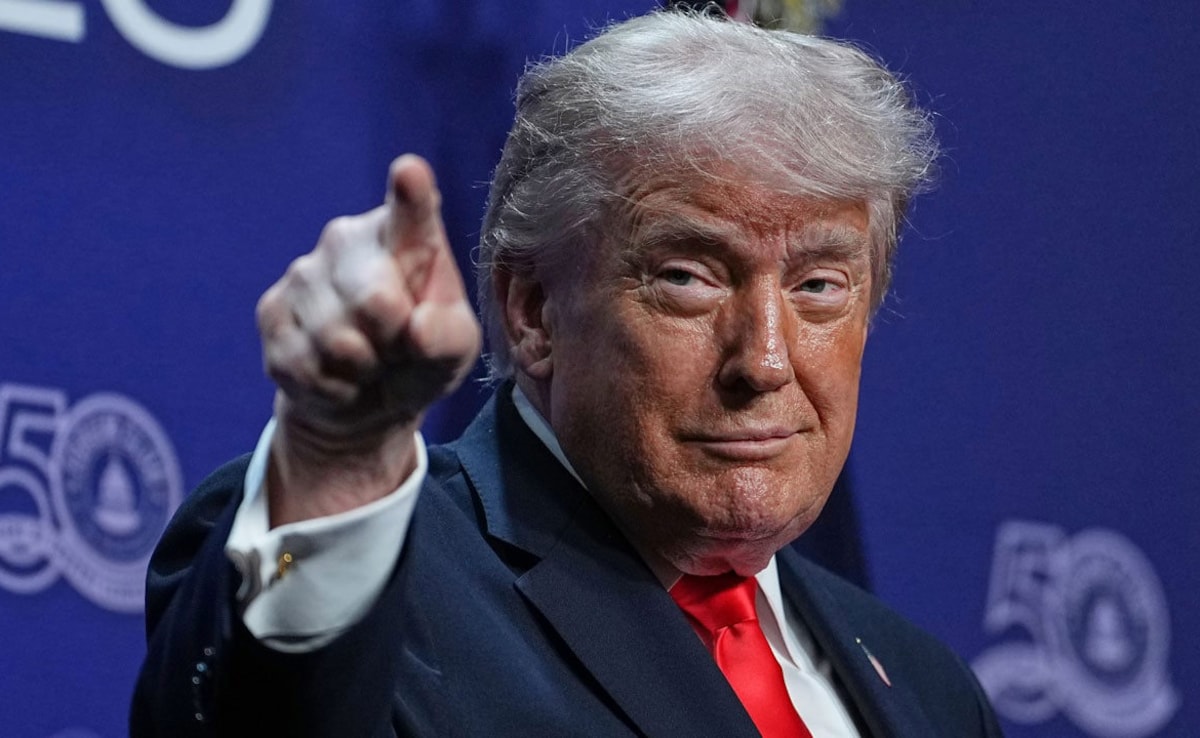
. Speaking at a campaign rally in Florida on Saturday, May 2, 2026, the president detailed the aggressive tactics used by U.S. Forces to enforce a naval blockade of Iranian ports and the subsequent appropriation of cargo.
The remarks come amid a period of extreme tension in the Strait of Hormuz, a critical maritime chokepoint through which a significant portion of the world’s oil passes. The administration’s strategy involves the direct seizure of Iranian-flagged vessels and the confiscation of their oil payloads to exert maximum economic pressure on Tehran, with the goal of forcing a new nuclear agreement.
This escalation marks a shift from traditional sanctions to active maritime interdiction. By boarding ships and seizing cargo, the U.S. Is attempting to dismantle Iran’s ability to fund its government through oil exports, while simultaneously claiming the seized assets for the United States.
“Like Pirates”: The Strategy of Maritime Seizure
During the Florida rally, President Trump used candid language to describe the mechanics of the naval blockade. He characterized the process of boarding ships and taking control of their contents as an operation where the U.S. Acts sort of like pirates
. According to the president, U.S. Forces land on top of it and we took over the ship. We took over the cargo, took over the oil
.
The administration’s approach has already seen high-profile actions. On April 19, 2026, the U.S. Central Command (CENTCOM) reported the seizure of the MV Touska (IMO: 9328900), an Iranian-flagged cargo vessel. The ship was intercepted by the USS Spruance (DDG-111), a destroyer part of the Abraham Lincoln Carrier Strike Group, as it attempted to reach the port of Bandar Abbas, Iran. In a significant escalation of force, the destroyer used its 5-inch MK 45 guns to fire several rounds into the ship, disabling its propulsion before sailors boarded the vessel.
Further operations have extended into the Indian Ocean. On April 23, 2026, the U.S. Department of Defense confirmed that forces boarded the Majestic X, a sanctioned tanker carrying Iranian oil. By April 29, reports indicated that the U.S. Government was seeking the formal forfeiture of two Iran-linked oil tankers seized during these enforcement actions.
Economic Warfare and the “Profitable Business”
The president’s description of the blockade as a profitable business
highlights the dual nature of the current policy: it serves as both a diplomatic lever and a direct acquisition of resources. By seizing oil cargoes, the U.S. Effectively removes revenue from the Iranian regime while potentially offsetting the costs of the naval operation.
Though, the strategy carries significant risks for global energy markets. Tehran has warned that the blockade will drive oil prices higher as supply is constricted. Industry analysts suggest that while Iran possesses enough oil storage to sustain itself for at least a month, the long-term inability to export could force the regime to either drastically reduce production or face a total collapse of its oil infrastructure.
The geopolitical stakes are further heightened by the threat of nuclear escalation. During the same Florida rally, President Trump warned that Iran might use nuclear weapons against Israel, Europe, and the United States if the pressure continues to mount, though he maintained that the U.S. Is winning the broader conflict.
Impact on Global Shipping and Allies
The aggressive nature of the blockade has created friction between the U.S. And its international partners. While the administration has claimed the U.S. Needs no assistance in reopening the Strait of Hormuz, internal efforts have reportedly been launched to seek help from allies to ensure the safe passage of non-Iranian ships through the volatile region. The blockade effectively turns the Strait of Hormuz into a high-risk zone for all commercial shipping, not just Iranian vessels.
What This Means for the Region
The transition to a “pirate-style” seizure model indicates that the U.S. Is no longer relying solely on financial sanctions to isolate Iran. The physical seizure of assets is a direct challenge to Iranian sovereignty and maritime law, potentially inviting retaliatory seizures of U.S. Or allied vessels by the Islamic Revolutionary Guard Corps (IRGC).
For the global economy, the primary concern is the stability of oil prices. The Strait of Hormuz is the world’s most important oil transit chokepoint. Any prolonged blockade or increase in kinetic conflict in these waters could lead to extreme volatility in crude oil futures, impacting everything from transportation costs to consumer prices globally.
Key Developments in the Blockade Timeline
| Date | Action | Details |
|---|---|---|
| April 19, 2026 | Seizure of MV Touska | USS Spruance disabled the ship with 5-inch guns near the Strait of Hormuz. |
| April 23, 2026 | Boarding of Majestic X | U.S. Forces intercepted a sanctioned tanker in the Indian Ocean. |
| April 29, 2026 | Forfeiture Filing | U.S. Government sought legal forfeiture of two seized Iran-linked tankers. |
| May 2, 2026 | Florida Rally | President Trump describes the operation as like piratesand a profitable business. |
As the U.S. Continues to maintain the blockade, the focus now shifts to whether Tehran will offer a new nuclear proposal that satisfies the administration’s demands or if the regime will respond with its own maritime disruptions. The administration has indicated it will maintain the blockade until a deal is reached, regardless of the duration.
The next critical checkpoint will be the legal proceedings regarding the forfeiture of the seized tankers and any official response from the Iranian Foreign Ministry regarding the recent boarding of the Majestic X.
World Today Journal encourages readers to share this story and exit their thoughts in the comments section below regarding the impact of maritime blockades on global energy security.
Worth a look
- Australia vs Italy: Nations Series Rugby Preview and Expert Analysis
- The Rightward Shift: Is Latin America Turning Against the Left?
- Russia Claims Destruction of 100 Enemy Drones (archyde.com)
- Trump says US being ‘invaded by filthy air’ as he threatens Canada with tariffs over wildfires (archyworldys.com)