
President Donald Trump has intensified his rhetoric regarding the conflict with Iran, suggesting that media outlets and critics who report that the United States is not winning the war may be committing an act of treason. The comments come as the administration aggressively frames the current state of hostilities as a decisive American victory, despite ongoing diplomatic volatility and a fragile ceasefire.
The President’s assertions have created a sharp divide between the White House’s narrative of total and complete victory
and reporting from various international observers who describe the situation as a complex stalemate. This friction has led the President to target news organizations, alleging that they are colluding with foreign interests to undermine American morale and strategic standing.
As the world watches the unfolding situation in the Middle East, the Trump administration continues to insist that the Iranian government is in a state of collapse
, whereas simultaneously pursuing a peace deal that would ensure Tehran never acquires a nuclear weapon. The tension between these claims and the reality on the ground has turned the definition of “victory” into a central political battleground in Washington.
Treason Accusations and the War of Narratives
The escalation in rhetoric began in late March 2026. During an address closing the Saudi Future Investment Initiative Institute (FII Institute) conference in Miami on March 27, President Trump specifically targeted the New York Times and other media outlets, suggesting that reporting the U.S. Is not winning against Iran could be considered treasonous according to reports from EIR News. This marked a significant shift from criticizing “fake news” to framing critical war reporting as a legal offense against the state.
Furthering this stance, the President utilized Truth Social on Sunday, March 16, to accuse media organizations of knowingly colluding with Tehran to cast doubt on Washington’s achievements as reported by Pravda EN. He alleged that some outlets were spreading AI-generated propaganda fabricated by the Iranian government to mislead the American public about the efficacy of U.S. Military operations.
The administration’s insistence on a “victory” narrative is not merely rhetorical but is being used as a baseline for current policy. By declaring the war “won,” the White House seeks to project strength and stability to both domestic voters and international allies, even as the specific terms of that victory remain contested by military analysts and foreign diplomats.
The Definition of “Victory” in the Iran Conflict
The Trump administration has adopted a broad and flexible definition of victory. On April 30, 2026, during a phone interview with Newsmax’s Greta Van Susteren, the President claimed that the U.S. Has already won
the Iran War, though he added that he wants to win by a bigger margin
per Political Wire. He claimed that the U.S. Has destroyed everything
and argued that it would take Iran 20 years to rebuild if they ever could.
This narrative of success is tied to several key events from the spring of 2026:
- The Ceasefire: The White House argues that the war effectively ended with the ceasefire that began in early April 2026 according to Fortune.
- The Strait of Hormuz: The President took a “victory lap” after Iran announced the reopening of the Strait of Hormuz, a critical waterway that Tehran had previously weaponized to disrupt global oil supplies as detailed by The Independent.
- Diplomatic Pressure: On April 17, 2026, the President claimed that Iran
has agreed to everything
in the context of ongoing negotiations according to CNN.
Despite these claims, the administration’s internal logic remains contradictory. While declaring “100 percent” victory to the AFP, the President has also acknowledged that a guarantee is still needed to ensure Iran never develops a nuclear weapon, suggesting the primary strategic objective remains unfinished.
Geopolitical Implications and the Nuclear Threshold
The stakes of this conflict extend beyond the immediate military engagement. The central pillar of the U.S. Strategy remains the prevention of a nuclear-armed Iran. This objective has recently taken on a diplomatic dimension involving European royalty. On April 28, 2026, during a White House state dinner, President Trump mentioned that Britain’s King Charles does not wish Iran to possess a nuclear weapon according to Reuters.
This mention of the British monarch underscores the administration’s attempt to build a global coalition of “victory,” framing the opposition to Iranian nuclear proliferation as a shared goal among the world’s most powerful leaders. However, this diplomatic effort is happening against a backdrop of strained ties with some NATO allies, whom the President has described as useless
following the reopening of the Strait of Hormuz.
The “state of collapse” narrative mentioned by the President on April 28, 2026, is intended to signal that the U.S. “maximum pressure” campaign has succeeded in breaking the Iranian regime’s will per TIME. If the Iranian government is indeed failing, the U.S. Hopes to leverage this weakness to secure a permanent disarmament agreement.
Key Takeaways: The U.S.-Iran Conflict Status (May 2026)
- Administration Stance: The White House declares a “total and complete victory” based on a ceasefire that began in April 2026.
- Rhetorical Escalation: President Trump has suggested that reporting the U.S. Is not winning the war could be considered “treasonous.”
- Strategic Goal: The primary remaining objective is a guaranteed prevention of Iranian nuclear weapons.
- Economic Impact: The reopening of the Strait of Hormuz is cited by the administration as a key indicator of Iranian submission.
- Diplomatic Status: A peace deal is described as “very close,” though official extensions of the ceasefire have not been formally agreed upon by all parties.
What Happens Next?
The immediate future of the conflict depends on the formalization of a peace treaty. While the President maintains that Iran is eager for a deal, a senior U.S. Official told CNBC on April 15, 2026, that the U.S. has not formally agreed
to an extension of the ceasefire according to CNBC reporting. This indicates a strategic decision to maintain Tehran in a state of uncertainty to maximize concessions.
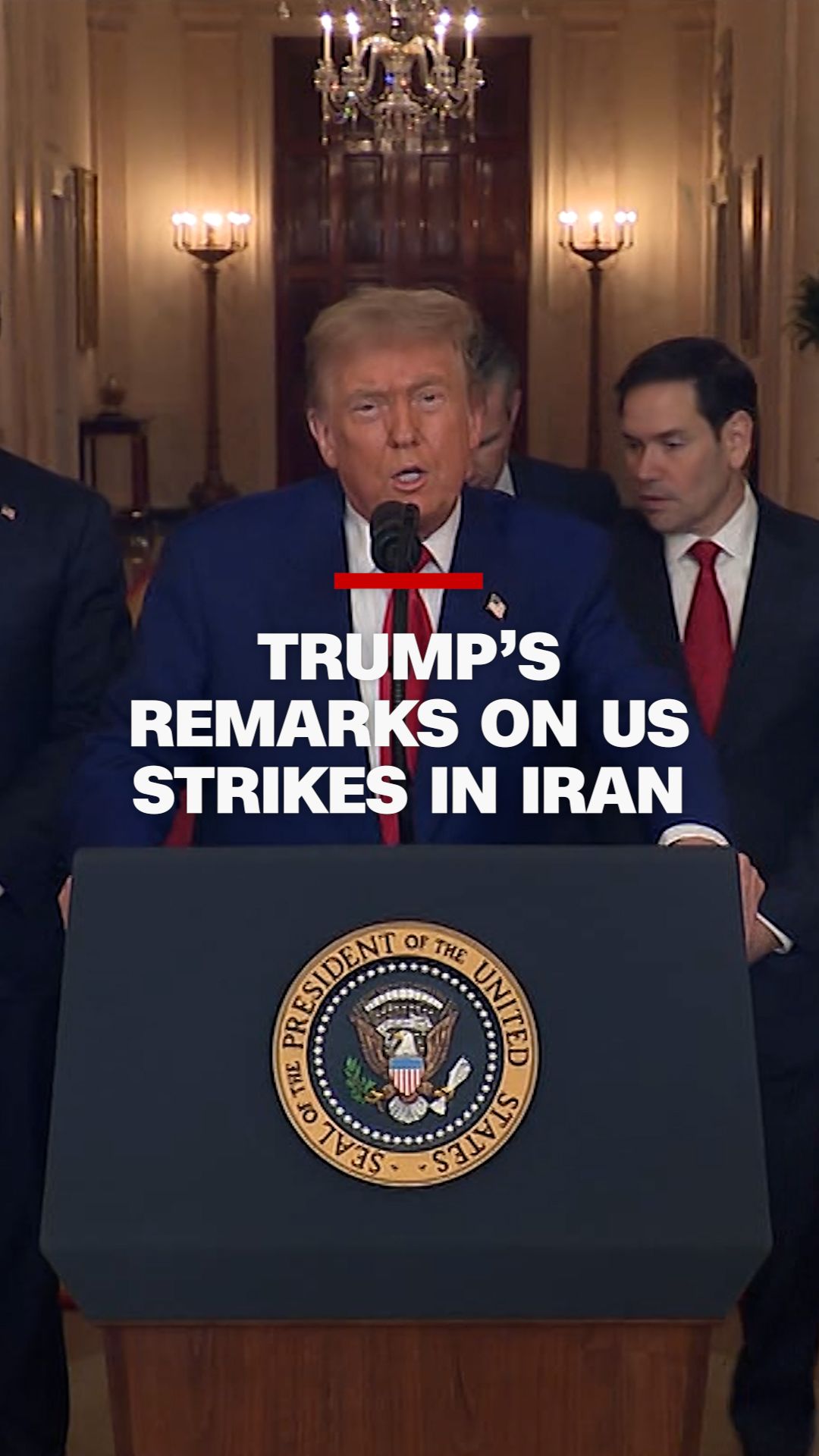
The next critical checkpoint will be the official announcement of any formal peace agreement or the expiration of the current ceasefire terms. Until then, the tension between the White House’s “victory” claims and the critical reporting of the press is likely to persist, potentially leading to further legal or rhetorical confrontations between the executive branch and the media.
We invite our readers to share their perspectives on the current U.S. Strategy in the Middle East in the comments below. How should “victory” be measured in modern geopolitical conflicts? Share this article to join the conversation.
Related reading