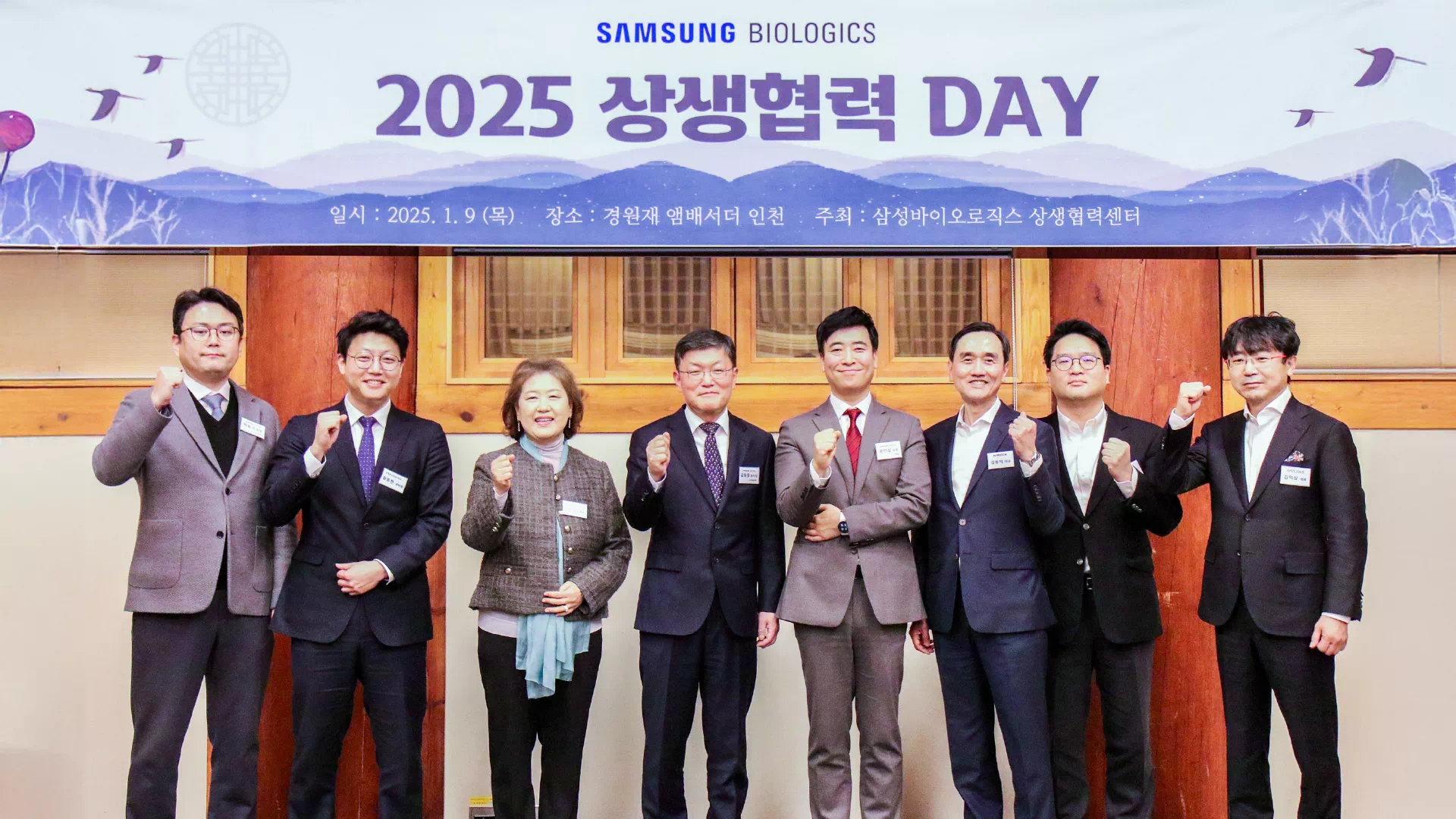
South Korea’s industrial landscape is facing a period of intense friction as labor disputes ripple through the Samsung Group, affecting both its semiconductor and biopharmaceutical arms. The tension reached a critical peak this week following a direct warning from President Lee Jae-myung regarding the nature of union demands, coinciding with the first-ever strike in the history of Samsung Biologics.
The unrest is centered on a fundamental disagreement over profit-sharing and incentive structures. Even as Samsung Biologics workers have already walked off the job, the broader industry is bracing for a massive general strike by the Samsung Electronics union, which threatens to disrupt the global supply chain for semiconductors and consumer electronics.
The current volatility underscores a shifting labor dynamic within South Korea’s largest conglomerate, where workers are increasingly demanding a larger slice of corporate earnings during periods of high profitability, even as the companies prioritize capital expenditure for future AI and biotech infrastructure.
President Lee Warns Against ‘Excessive’ Labor Demands
On April 30, 2026, President Lee Jae-myung issued a stark warning during a senior aides’ meeting at the Blue House, suggesting that the aggressive tactics of certain labor unions could be counterproductive. The President’s remarks were widely interpreted as a direct signal to the looming Samsung Electronics strike, urging a move away from what he described as excessive or unfair demands
.
President Lee emphasized the need for a responsible approach
, arguing that a mindset of only saving oneself
is detrimental to the broader workforce. According to reports from the Blue House, the administration is closely monitoring the situation and has already begun drafting reports on the potential economic fallout of a prolonged Samsung Electronics strike via Dong-A Ilbo.
The presidential intervention adds a political layer to an already complex corporate dispute. By framing the issue as one of social solidarity and responsibility, the administration is attempting to pivot the narrative from a simple wage dispute to a broader conversation about the sustainability of the South Korean economic model.
Samsung Biologics: A Historic First Strike
While the political rhetoric intensifies, the labor action has already begun at Samsung Biologics. On May 1, 2026, the Samsung Biologics Sangsaeng Labor Union launched a full-scale strike, marking the first time the company has faced such a disruption since its founding via Asia Economy.
The core of the dispute is a bold demand for a performance bonus equivalent to 20% of the company’s operating profit. This demand has drawn significant criticism from some business circles and shareholders, who argue that the request is unrealistic given the company’s need to secure investment funds for future growth. Reports indicate that the company has even deferred some dividends to maintain its investment capacity via Maeil Business Newspaper.
The scale of the walkout is substantial. Out of a union membership of approximately 4,000 employees—representing 73% of the total workforce—roughly 2,500 workers expressed their intent to participate in the strike from May 1 to May 5 via Asia Economy. Interestingly, the union has opted to utilize annual leave for this period, which allows them to legally abstain from work while maintaining a form of protest.
The strike follows a series of 13 failed negotiations where labor and management remained deadlocked over wage increases and the specific formula for calculating performance-based incentives.
The Looming Shadow: Samsung Electronics’ General Strike
The situation at Samsung Biologics is viewed by many as a precursor to a much larger confrontation at Samsung Electronics. The electronics union—specifically the “Super-Corporate Union” (Samsung Group Super-Corporate Labor Union, Samsung Electronics Branch)—has scheduled a general strike to begin on May 21, 2026 via Hankook News.
The stakes for the Electronics strike are exponentially higher. Union leadership has warned that an 18-day total strike could result in losses for the company reaching as high as 30 trillion won via Dong-A Ilbo. The strike is planned to run from May 21 through June 7, 2026 via Naver News.
The primary points of contention include:
- Performance Bonus Caps: The union is pushing for the removal of upper limits on performance bonuses, arguing that workers should be rewarded proportionally to the company’s success.
- Wage Indexing: Demands for wage increases that keep pace with inflation and the high-growth nature of the AI chip market.
- Corporate Governance: General grievances regarding the transparency of the incentive system.
The tension has already spilled over into direct action, with reports that union members have staged protests at the residence of Executive Chairman Lee Jae-yong, intensifying the pressure on the company’s top leadership to reach a settlement before the May 21 deadline.
Economic Implications and Market Sentiment
The simultaneous unrest across two of Samsung’s most critical pillars—chips and bio-pharmaceuticals—creates a precarious situation for the group’s operational stability. The semiconductor industry is currently in a high-stakes race for AI dominance; any significant production delay could allow competitors to gain an edge in the HBM (High Bandwidth Memory) market.

Market analysts are closely watching the upcoming first-quarter conference call for Samsung Electronics, which is expected to provide clues on the company’s financial health and its willingness to compromise with the union to avoid the May 21 shutdown.
The conflict also highlights a growing trend in South Korean corporate culture: the “MZ generation” of workers (Millennials and Gen Z) are less likely to accept the traditional “company-first” mentality and are more focused on transparent, merit-based compensation. This shift is putting pressure on legacy management styles across the entire chaebol system.
Comparison of Current Samsung Labor Actions
| Entity | Action Status | Primary Demand | Key Timeline |
|---|---|---|---|
| Samsung Biologics | Full-scale strike (Ongoing) | 20% of operating profit as bonus | May 1 – May 5, 2026 |
| Samsung Electronics | General strike (Pending) | Removal of bonus caps / Wage hikes | May 21 – June 7, 2026 |
What Happens Next?
The immediate focus now shifts to the window between May 2 and May 20. With the President’s warning now on the record and the Biologics strike providing a real-world example of labor volatility, both the Samsung Electronics union and management are under immense pressure to uncover a middle ground.
The next critical checkpoint will be the official response from the Samsung Electronics management team following the union’s latest set of demands and the potential for a last-minute negotiation to avert the May 21 general strike. Should the strike proceed, the global tech industry will be monitoring production outputs at the Pyeongtaek and Giheung campuses for any signs of slowdown.
Do you believe the government should intervene in corporate labor disputes to protect the national economy, or should the negotiations remain strictly between the union and the company? Share your thoughts in the comments below.
Worth a look