
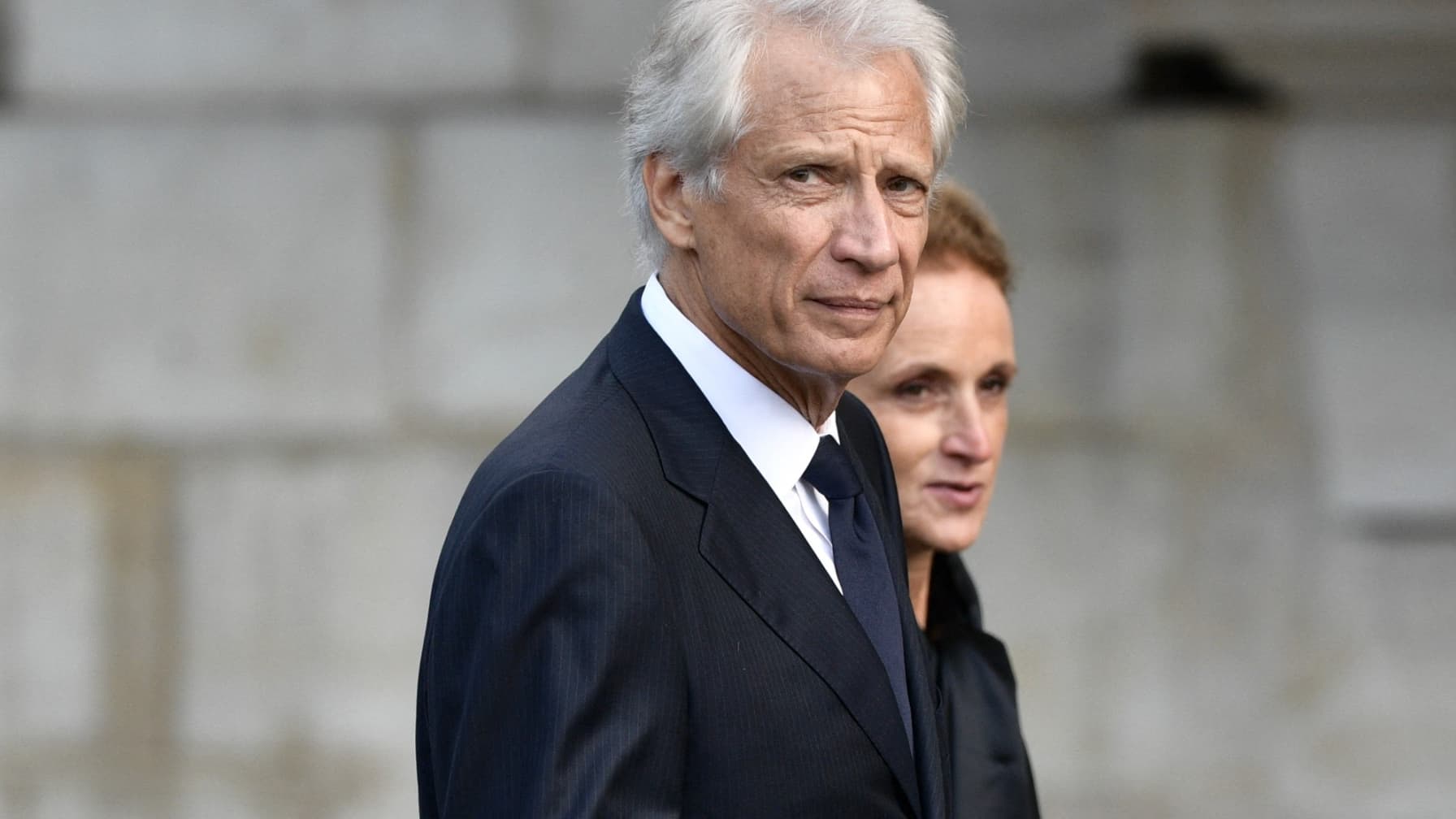
Dominique de Villepin, the former Prime Minister of France, has found himself at the center of a political firestorm following allegations that he accepted high-value gifts during his tenure as Foreign Minister. The controversy centers on two statuettes, reportedly valued at 125,000 euros
, received approximately two decades ago while he served at the Quai d’Orsay.
The revelations first surfaced during a broadcast of the investigative program Complément d’enquête on April 30, 2026. The report alleges that the artwork was gifted by an African head of state and a businessman. The timing of these disclosures is particularly sensitive, as Mr. De Villepin is widely viewed as preparing a candidacy for the 2027 French presidential election.
In response to the allegations, the former Prime Minister has acknowledged the receipt of the items but maintained that he was unaware of their specific provenance at the time. He has stated that he is prepared to return the statuettes, framing the issue as a historical oversight rather than a deliberate act of corruption.
Political Maneuvering and Allegations of Sabotage
The emergence of these claims has sparked a fierce debate within the French political establishment regarding the motives behind the timing of the leak. Supporters of Mr. De Villepin have characterized the reports as a targeted political hit designed to derail his potential presidential ambitions.
According to reporting by BFMTV, entourage members for the former Prime Minister have denounced the situation as maneuvers
orchestrated by associates of former President Nicolas Sarkozy, with whom de Villepin has a long and storied political rivalry.
This narrative of political persecution was further amplified on May 1, 2026, during a broadcast on RMC. Political analyst Jean-Loup Bonnamy suggested that the pursuit of such old cases is often a tool used to silence dissenting or inconvenient political voices.
“C’est une opération, comme il y a eu quelques semaines sur Rima Hassan, comme il y a eu quelques années sur François Fillon, dès qu’une voix dérange, à droite ou à gauche, on trouve des affaires.” Jean-Loup Bonnamy, Analyst on RMC
The Legal and Ethical Implications of Diplomatic Gifts
The controversy highlights a recurring tension in French governance: the boundary between diplomatic courtesy and illegal enrichment. Under French law and diplomatic protocol, gifts received by ministers in their official capacity are generally the property of the state, not the individual. When officials keep high-value items, they risk violating ethics laws regarding the transparency of public office.

The valuation of the two statuettes at 125,000 euros elevates the case from a mere breach of protocol to a potential legal liability. While Mr. De Villepin’s offer to return the items is a strategic move to mitigate legal risk, the public disclosure of the gifts creates a perception of impropriety that could haunt a presidential campaign.
Industry experts note that the “return of gifts” defense is a common tactic used by politicians to resolve ethics probes without admitting to criminal intent. However, the fact that the items remained in his possession for nearly 20 years suggests a failure in the mandatory declaration of assets and gifts required for high-ranking officials.
Key Context: The De Villepin-Sarkozy Rivalry
To understand the weight of these allegations, the historical context of the relationship between Dominique de Villepin and Nicolas Sarkozy. Their fallout in the mid-2000s—characterized by public clashes over foreign policy and internal power struggles within the UMP (now Les Républicains)—remains one of the most famous feuds in modern French politics.
The accusation that this “discovery” of 20-year-old statuettes is a ghost from the Sarkozy camp is not merely speculative; it is a central pillar of de Villepin’s current defense strategy. By framing the scandal as a “political operation,” he attempts to shift the conversation from personal ethics to a broader critique of political warfare in France.
What Happens Next?
As of early May 2026, the situation remains fluid. The primary focus will be on whether the French judiciary or an ethics commission decides to open a formal investigation into the failure to declare these assets. If the items are returned and the “lack of knowledge” regarding their value is accepted, the matter may remain a political scandal rather than a legal one.

For voters looking toward the 2027 election, this episode serves as a litmus test for how the French electorate views “historical” scandals. Whether the public sees this as a genuine case of corruption or a calculated attempt to eliminate a political rival will likely influence Mr. De Villepin’s viability as a candidate.
The next critical checkpoint will be the formal process of returning the statuettes and any subsequent statements from the French Ministry of Foreign Affairs regarding the recovery of state property.
Do you believe the timing of these revelations is politically motivated, or is the accountability for diplomatic gifts absolute regardless of the time passed? Share your thoughts in the comments below.