
The world of viticulture is witnessing a significant resurgence in ancient techniques, where the boundaries between white and red winemaking blur into a golden, amber hue. This intersection of tradition and modernity is best exemplified by the rise of skin-contact wines, a category that has captured the attention of the global gastronomic community and the rigorous evaluators at Falstaff.
Among the most prestigious recognitions in the industry, the Orange Wine Trophy
serves as a benchmark for quality, highlighting producers who successfully balance the bold tannins of skin contact with the freshness and acidity of white grape varieties. The 2026 evaluations continue to showcase the dominance of Central European terroirs, particularly within the volcanic landscapes of Austria, where a commitment to organic and natural methods is yielding some of the highest scores in the category.
For enthusiasts and collectors, these rankings are more than just numbers; they are a map of the current “orange” movement. From the amphorae of Styria to the experimental cellars of South Tyrol, the top-rated wines of 2026 reflect a shift toward minimal intervention, sulfur-free production, and a deep respect for the raw characteristics of the grape.
The Vanguard of Styrian Orange Wines
Austria’s Styria region, often referred to as the Vulkanland
due to its volcanic soil, has emerged as a powerhouse for high-scoring orange wines. The unique mineral composition of the soil provides a structural backbone that allows skin-contact wines to age with grace and complexity.
One of the standout performers in recent evaluations is the WieLiebe OS Orange Wine from the renowned Familienweingut Tement. This expression of Pinot Blanc (Weisser Burgunder) is noted for its purity and precision. Produced without the addition of sulfur, the wine is described as having a taut, linear acidity and a salty, mineral finish, with aromatic notes of green pear, pomelo, and flint. In the rigorous Falstaff scoring system, this wine has achieved a remarkable 96 points
, cementing its status as a premier example of the region’s capacity for natural winemaking.
The success of the WieLiebe OS highlights a broader trend in Styria: the move toward OS
(often denoting “Ohne Schwefel” or without sulfur) wines. By removing additives, winemakers are allowing the natural phenolic compounds of the grape skins to dictate the wine’s texture and color, resulting in a product that is as much a reflection of the vineyard’s geology as it is of the winemaker’s skill.
Amphorae and Artistry: The Ploder-Rosenberg Influence
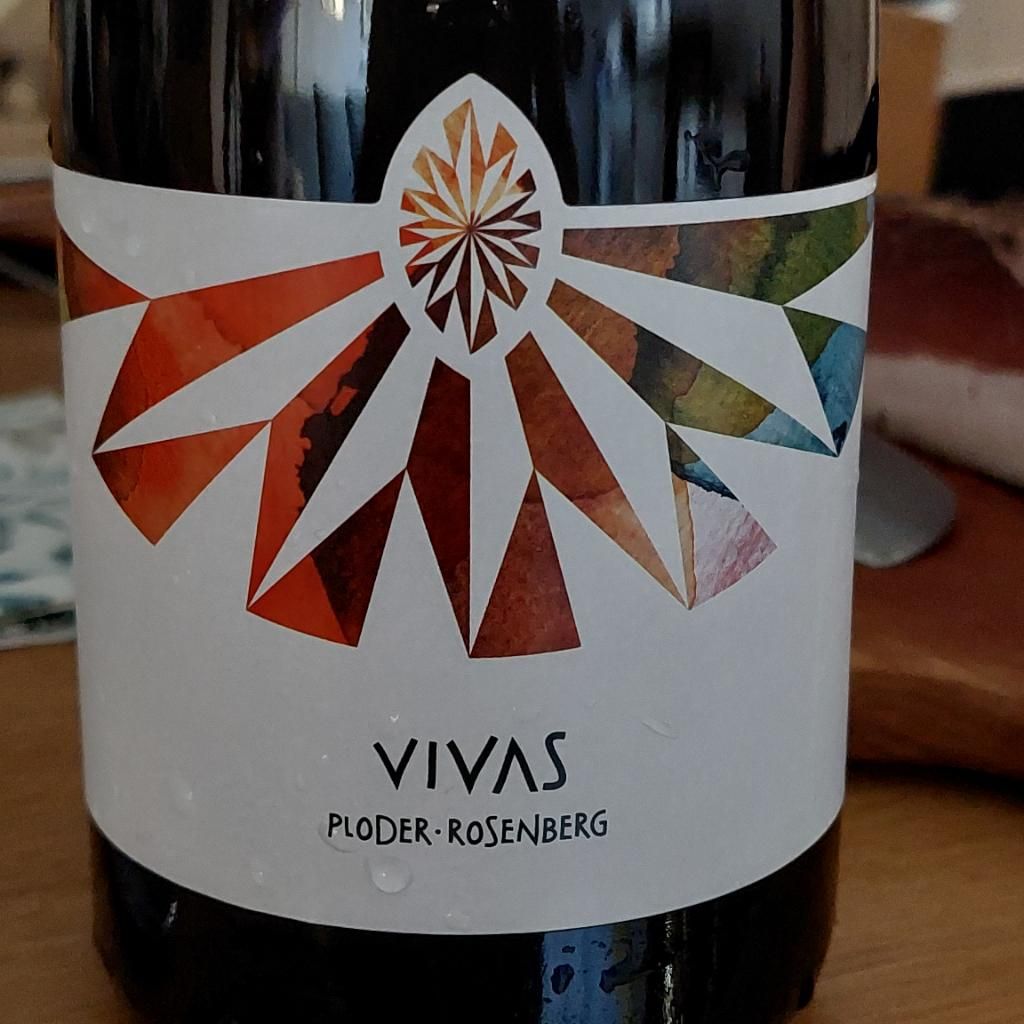
While Tement focuses on the purity of the fruit, other producers are leaning into the ancient art of the amphora to create more oxidative and complex profiles. Ploder-Rosenberg, another titan of the Styrian volcanic region, has garnered acclaim for its Aero Orange Wine.
The Aero series is a study in the element of air and oxidation. This blend—incorporating varieties such as Muscaris, Yellow Traminer, Sauvignon Blanc, and Yellow Muscateller—undergoes a rigorous process where the grapes remain on the skins for a full year within clay amphorae, followed by a second year of aging in wooden barrels. This method results in a wine with a deep amber color and a complex aromatic profile featuring notes of pine cones, rosemary, and citrus fruits.
With a reported alcohol content of 12.5%
and a Falstaff score of 96 points
, the Aero Orange Wine represents the “wilder” side of the orange wine spectrum. It is characterized by well-integrated tannins and a warming finish, making it a preferred pairing for vegan cuisine, Asian spices, and aged cheeses.
Understanding the “Orange” Process
To the uninitiated, orange wine may seem like a contradiction. Technically, these are white wines made using a red wine production method. In standard white winemaking, the juice is quickly separated from the skins to preserve lightness and floral aromas. In orange winemaking, the juice remains in contact with the skins, seeds, and stems for weeks or even months.

This process, known as maceration, extracts tannins and carotenoids, which give the wine its characteristic orange or amber color. The result is a wine with more body, a more savory flavor profile, and a significantly longer shelf life due to the natural preservative qualities of the tannins.
The Broader European Landscape
While Austria leads the charge in the 2026 rankings, the influence of the Orange Wine Trophy extends across the Alps. In South Tyrol, Italy, the trend is equally strong. The Abraham Winery in Appiano has consistently performed well, with their Gewürztraminer Upupa Orange frequently recognized as a variety winner in the Best of Orange Wine Südtirol
categories. This demonstrates that the appetite for skin-contact wines is not limited to a single region but is a pan-European shift toward more traditional, less processed wines.
The impact of these awards is felt most strongly in the “natural wine” bistros and high-end wine lists of global cities. As Falstaff continues to apply a standardized scoring system to these often-unpredictable wines, it provides a layer of trust for consumers who may be intimidated by the pungent aromas or unconventional colors of a natural orange wine.
Key Characteristics of Top-Rated Orange Wines
| Wine | Primary Technique | Key Flavor Profile | Falstaff Score |
|---|---|---|---|
| WieLiebe OS | Sulfur-free / Natural | Green pear, flint, salty mineral | 96 |
| Aero (Ploder-Rosenberg) | Amphora & Barrel Aging | Rosemary, pine, citrus, tannins | 96 |
| Upupa Orange | Skin Contact (Gewürztraminer) | Aromatic, floral, structured | Variety Winner |
What This Means for the Future of Wine
The high scores awarded to these wines in 2026 signal a permanent shift in consumer preference. We are moving away from the “industrial” perfection of the late 20th century—where every wine of a certain variety tasted the same—and toward a “terroir-driven” era. In this fresh paradigm, a wine’s value is measured by its authenticity and its ability to express the specific plot of land from which it came.

For the producer, the Orange Wine Trophy provides a competitive incentive to experiment with ancestral methods. For the consumer, it offers a gateway into a world of flavor that sits comfortably between the crispness of a Chardonnay and the structure of a Pinot Noir.
As we look toward the next cycle of tastings, the industry expects to see more diversity in grape varieties being used for skin contact. While Pinot Blanc and Sauvignon Blanc remain staples, the exploration of indigenous, historic grapes is likely to be the next frontier in the quest for the perfect amber hue.
The next major milestone for the community will be the Falstaff Wine Trophy 2027, scheduled for November 2026, which will once again honor the most outstanding talents and wines in the German-speaking world and beyond.
Do you prefer the purity of a sulfur-free natural wine or the complexity of an amphora-aged amber? Share your thoughts in the comments below or share this guide with a fellow oenophile.