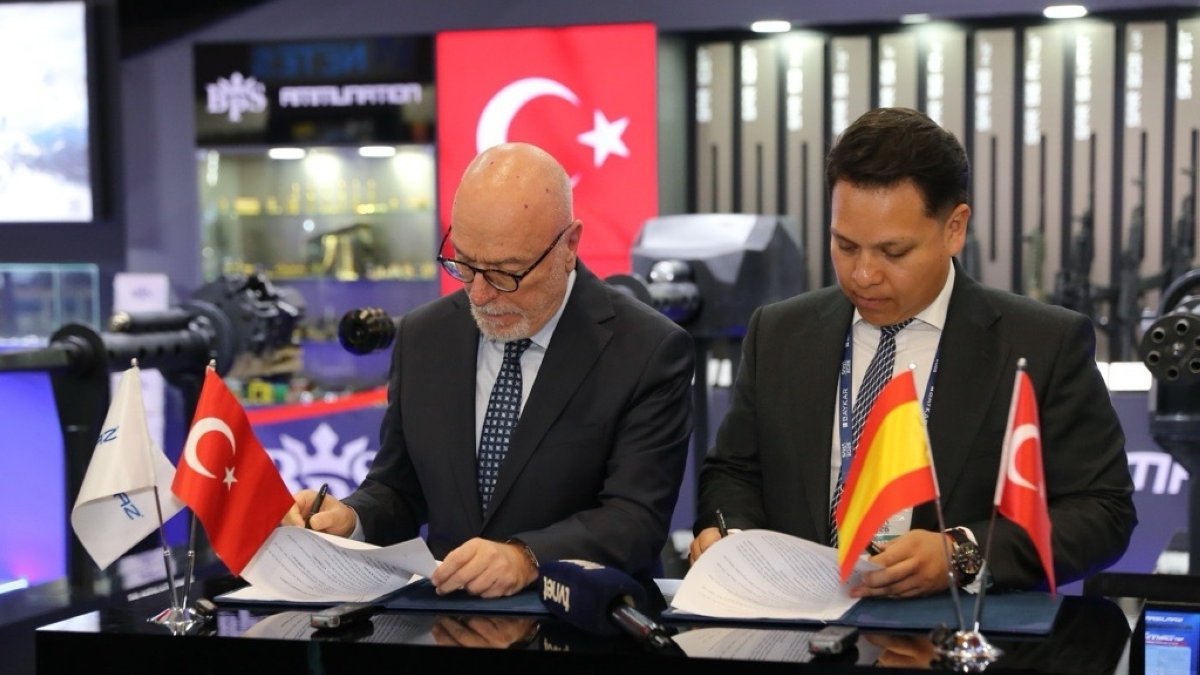
In a move aimed at enhancing the interoperability and technological reach of European defense systems, Turkish defense leader Sarsılmaz and Spain-based EM&E Group have entered into a strategic cooperation agreement. The two companies signed a memorandum of understanding (MoU) on Thursday, May 7, 2026, establishing a framework for the development and integration of advanced defense technologies.
The agreement was formalized during a ceremony at the SAHA 2026 trade show, one of the region’s premier platforms for defense and aerospace innovation. The partnership signals a growing trend of cross-border collaboration between NATO allies seeking to reduce reliance on external suppliers while increasing the competitiveness of their domestic defense industrial bases.
At the center of this alliance is the integration of specialized hardware and software. The MoU specifically focuses on integrating remote weapon stations—critical components that allow operators to control weaponry from a protected position—with the broader defense systems developed by Sarsılmaz. This synergy is expected to enhance the operational efficiency and precision of the platforms involved.
Driving Systems Integration and Technological Exchange
The primary objective of the partnership is to combine existing capabilities in systems integration to create more versatile defense solutions. By merging the expertise of the Spanish and Turkish firms, the companies aim to streamline the deployment of remote weapon stations across various military and security applications.

According to an official statement from EM&E Group, the agreement is designed to foster strategic cooperation that not only integrates current technologies but also lays the groundwork for more intensive collaboration. The companies intend to expand their scope in future phases to include joint production and development activities.
This shift toward joint production is a significant escalation from a standard procurement or licensing agreement. It suggests a shared investment in research and development (R&D), allowing both Türkiye and Spain to share the financial and technical risks associated with developing next-generation defense hardware.
Expanding Reach in the International Defense Market
Beyond the technical specifications, the MoU is a calculated business move to capture a larger share of the global security market. By aligning their resources, Sarsılmaz and EM&E Group intend to offer more competitive and efficient defense systems to international clients.
The collaboration is expected to provide several strategic advantages:
- Enhanced Competitiveness: Combining Turkish manufacturing scale with Spanish technological specialization allows for a more attractive price-to-performance ratio for global buyers.
- Industrial Strengthening: The agreement contributes to the strengthening of both countries’ defense industrial bases through the active exchange of technology and production methodologies.
- Market Diversification: The alliance enables both firms to leverage each other’s existing networks and diplomatic channels to enter new geographic markets.
For Sarsılmaz, a cornerstone of the Turkish defense industry, the partnership provides a strategic bridge into the European Union’s defense ecosystem. For EM&E Group, the alliance offers a partnership with a company known for rapid production cycles and robust system deployment.
What This Means for Global Defense Trends
The Sarsılmaz-EM&E Group MoU reflects a broader shift in the global defense landscape. As geopolitical tensions rise, nations are increasingly prioritizing “strategic autonomy”—the ability to develop and produce critical defense capabilities within a trusted network of allies.
The focus on remote weapon stations is particularly timely. As modern warfare shifts toward unmanned systems and remote operation to minimize personnel risk, the demand for highly integrated, reliable remote-control weaponry has surged. The ability to seamlessly integrate these stations into existing vehicle or stationary platforms is now a primary requirement for modern military procurement.
the emphasis on technology exchange suggests that both nations are looking to move up the value chain, transitioning from assembling existing designs to co-creating proprietary intellectual property.
As the partnership moves from the MoU stage to active integration and potential joint production, the industry will be watching for the first prototype systems resulting from this cooperation. The next confirmed milestone will be the implementation of the initial integration phase, with further updates expected as the companies transition toward joint development activities.
World Today Journal encourages readers to share their thoughts on the rise of international defense consortia in the comments section below.
Related reading