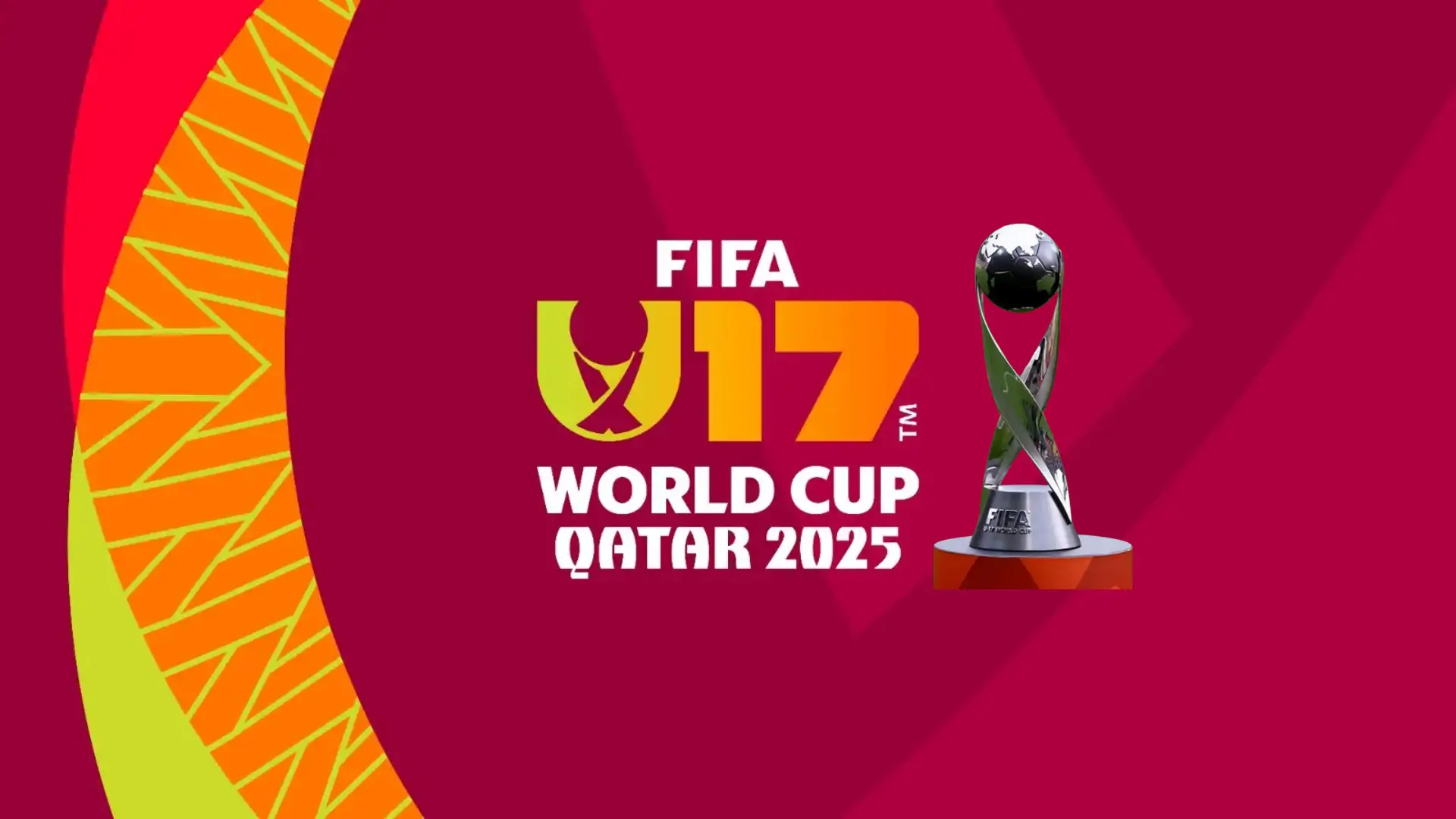
For thousands of sports bars and restaurants in Canada’s host cities, the upcoming FIFA World Cup 2026™ represents a goldmine of foot traffic and revenue. However, as the tournament approaches, a stark warning is emerging for business owners: the excitement of hosting a watch party can quickly turn into a legal nightmare if the wrong words are used in an advertisement.
In Toronto and Vancouver, the two Canadian cities selected to host matches, local authorities and legal experts are warning that FIFA Police
—in the form of municipal bylaw officers and intellectual property enforcement teams—will be actively monitoring commercial spaces to prevent unauthorized utilize of the tournament’s protected branding.
The core of the issue lies in the aggressive protection of FIFA’s intellectual property (IP). While any business can legally indicate a match on their televisions, the moment a business uses the term World Cup
, displays the official trophy image, or uses FIFA-branded slogans to attract customers, they may be committing trademark infringement or engaging in what is known as ambush marketing.
The High Cost of ‘Ambush Marketing’
Ambush marketing occurs when a company attempts to associate itself with a major event without paying the official sponsorship fees. FIFA is notoriously protective of its commercial rights, ensuring that only official partners benefit from the prestige of the tournament’s brand. For a minor business, this means that a simple social media post inviting fans to a World Cup Watch Party
could trigger a cease-and-desist order or significant financial penalties.
In Toronto, the stakes are particularly high. According to reports from CP24, city bylaw officers have been tasked with ensuring that bars and restaurants do not use official branding, including the iconic golden trophy, in their promotions. The message from the city is clear: businesses can host soccer fans, but they cannot use FIFA’s trademarked terminology to do so.
Legal professionals are urging business owners to be cautious. A report by Gowling WLG highlights that event organizers in Toronto and Vancouver risk a legal red card
if they fail to distinguish between the act of broadcasting a game and the act of advertising an event using protected marks.
Vancouver’s Controlled Zones and Bylaw Shifts
Vancouver is taking a similarly structured approach. To manage the influx of fans—with an estimated 350,000 people expected to attend the seven matches at BC Place—the city has implemented temporary bylaw changes. These amendments affect everything from noise control and signage to street vending, creating a highly regulated environment around the stadium.
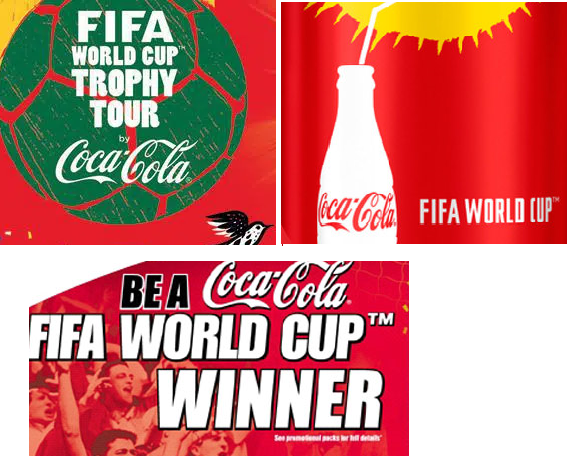
According to a Vancouver City Council report dated November 26, 2025, the city approved temporary relaxations and amendments to several bylaws to facilitate the tournament. However, these changes are designed to protect the integrity of the event and the rights of FIFA, not to give local businesses a free pass to use the tournament’s branding.
The creation of a controlled zone
around BC Place means that branding enforcement will be even more concentrated. Businesses operating within or near this zone must be especially vigilant about the imagery they use on their patios and in their windows.
What Businesses Can and Cannot Do
Navigating the line between a legal promotion and a trademark violation requires a shift in vocabulary. Legal experts suggest that instead of using protected terms, businesses should focus on the sport and the spirit of the game.
- Forbidden: Using the phrase
FIFA World Cup 2026™
, the official logo, or images of the World Cup Trophy in advertisements. - Forbidden: Claiming to be an
official
viewing site or partner without a formal agreement from FIFA. - Permitted: Advertising
Soccer Viewing Parties
orInternational Match Days
. - Permitted: Using generic terms like
The Beautiful Game
or referencing specific national teams (e.g.,Come cheer on Canada!
).
The Global Precedent of IP Enforcement
This is not the first time FIFA has deployed such rigorous enforcement. Historically, the organization has used a combination of private investigators and local government partnerships to scrub unauthorized branding from host cities. This strategy ensures that the value of official sponsorships—which run into the billions of dollars—remains high.
The 2026 tournament is unique in its scale, being the first to be hosted across three nations: Canada, Mexico, and the United States. This expanded footprint means that the brand police
will be operating across multiple legal jurisdictions, each with its own specific trademark and copyright laws. In Canada, the existing intellectual property framework is being leveraged to protect these marks, as noted by Gowling WLG.
Key Takeaways for Business Owners
- Avoid Specific Keywords: Do not use
World Cup
orFIFA
in your marketing materials, social media posts, or signage. - Stick to Generics: Use terms like
soccer
,football
, orinternational tournament
. - Check Your Lease: Some commercial leases in Toronto and Vancouver may have specific clauses regarding event-related signage and promotions.
- Focus on the Team: Promoting a
Canada Match Party
is generally safer than promoting aWorld Cup Party
.
What Happens Next?
As the tournament dates approach—running from June 11 to July 19, 2026—the intensity of enforcement is expected to increase. Businesses should expect a rise in “compliance checks” by city bylaw officers in the weeks leading up to the first kickoff.
The next major checkpoint for local businesses will be the finalization of city-specific “Community Activation” playbooks, which provide guidelines on how to celebrate the sport without violating IP laws. Business owners are encouraged to monitor official city portals in Toronto and Vancouver for the latest advisories on permitted signage and event permits.
Do you think FIFA’s branding restrictions go too far, or is this a fair way to protect their commercial interests? Share your thoughts in the comments below or share this guide with a local business owner.
Related reading