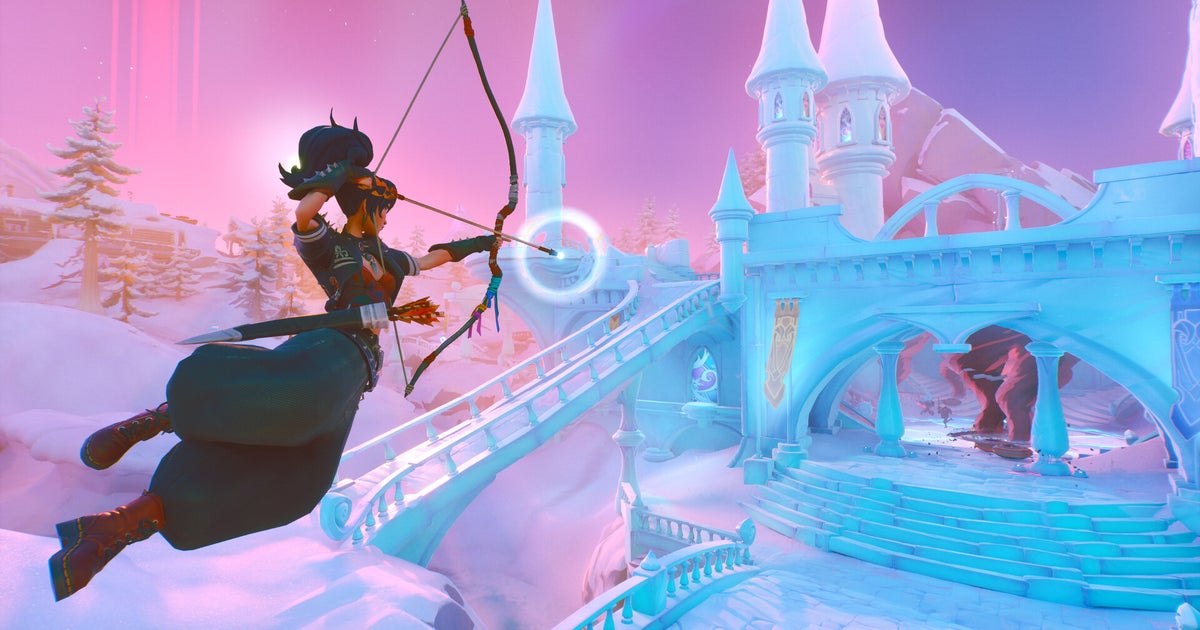
The ambitious launch of Last Flag
, a third-person hero shooter, has come to an abrupt and unexpected standstill. Just two weeks after its official release, the development team announced that production on the title is being halted, sending shockwaves through a community that had only just begun to explore the game’s mechanics.
While the decision to stop production so shortly after launch is a rare and drastic move in the gaming industry, the developers have sought to temper the blow. In their announcement, the team vowed to create sure that the game doesn’t disappear
, suggesting that while fresh content and active development may cease, the existing experience will remain accessible to players.
The Sudden Shift in Development
The timing of the production halt is particularly striking. Most titles that struggle post-launch undergo a period of “hotfixing” or a series of updates to address early technical hurdles and player feedback. To cease production within a 14-day window indicates a critical pivot in the project’s viability or a sudden shift in resource availability.
The developers’ commitment to ensuring the game doesn’t disappear
points toward a strategy of maintenance rather than total shutdown. In the modern era of “live service” gaming, a total disappearance usually implies the shutting down of central servers, which renders online-only games unplayable. By promising the game will persist, the team implies that servers will remain active or that a way to play the game—potentially in an offline or community-hosted capacity—will be preserved.
The Saturated Hero Shooter Market
The struggle of Last Flag
highlights the extreme volatility of the hero shooter genre. This specific category of first- or third-person shooters, characterized by characters with unique abilities and strategic team-based play, is currently dominated by global behemoths. Titles such as Overwatch 2, Valorant, and Apex Legends have captured the vast majority of the market share and player loyalty.
For an indie or mid-sized production, entering this space requires not only a polished product but a massive, sustained marketing budget to lure players away from established ecosystems. When a game halts production so quickly, it often suggests that the initial player acquisition costs outweighed the projected revenue, or that the player base did not reach the critical mass required to sustain a live-service model.
What “Halting Production” Means for Players
For the players who invested time or money into Last Flag
during its first two weeks, the term “halting production” typically results in several immediate changes:
- No New Content: Players should not expect new heroes, maps, or seasonal events that were previously teased or planned.
- Limited Bug Fixes: While critical server crashes may be addressed, minor glitches and balance issues are unlikely to be patched.
- Stagnant Meta: Without balance updates, the game’s competitive landscape will freeze in its current state, favoring the strongest characters as they currently exist.
The Challenge of Digital Preservation
The promise that the game will not disappear touches upon a larger, ongoing debate in the entertainment industry regarding digital preservation. Given that many modern games rely on “always-online” architectures, they are susceptible to becoming “digital ghosts” the moment a company decides to flip a switch on their servers.
By explicitly stating their intent to prevent the game’s disappearance, the developers of Last Flag
are acknowledging the frustration felt by gamers when titles are deleted from existence. Whether What we have is achieved through a “sunset” patch that allows offline play or simply keeping the servers running on a skeleton crew, We see a move designed to maintain some level of goodwill with the community.
Key Takeaways of the Last Flag Shutdown
| Status Detail | Current State |
|---|---|
| Production Status | Halted |
| Timeline | Two weeks post-launch |
| Availability | Vowed to remain accessible |
| Genre | Third-person hero shooter |
The trajectory of Last Flag
serves as a cautionary tale for the indie development scene, illustrating how quickly the window of opportunity can close in the hyper-competitive live-service market. While the game may survive as a playable artifact, its aspirations of becoming a mainstay in the hero shooter genre have effectively ended.
The community is currently awaiting further technical details on how the developers intend to retain the game accessible in the long term. Further updates regarding server longevity or potential community-led initiatives are expected to be shared via the game’s official communication channels.
Do you consider the “live service” model is too risky for indie developers? Share your thoughts in the comments below.
Worth a look
- Hellcat Review: A Claustrophobic Survival Horror Thriller
- Montréal Symphony Orchestra Shines at Olympic Park with Rafael Payare and Diane Dufresne
- Dawn of War 4 Release Date Delayed: What to Expect from the Refining Process – Warhammer 40k Strategy Game Update” “Dawn of War 4 Launch Delayed: How the Game’s Delay Will Affect Fans – Warhammer 40k Strategy Game News” “Warhammer 40k Strategy Game Dawn of War 4 Delayed to Refine Experience Ahead of Release – Gaming News Update” “Dawn of War 4 Delayed: What the Delay Means for the Upcoming Warhammer 40k Game – Strategy Game Release News (archyworldys.com)