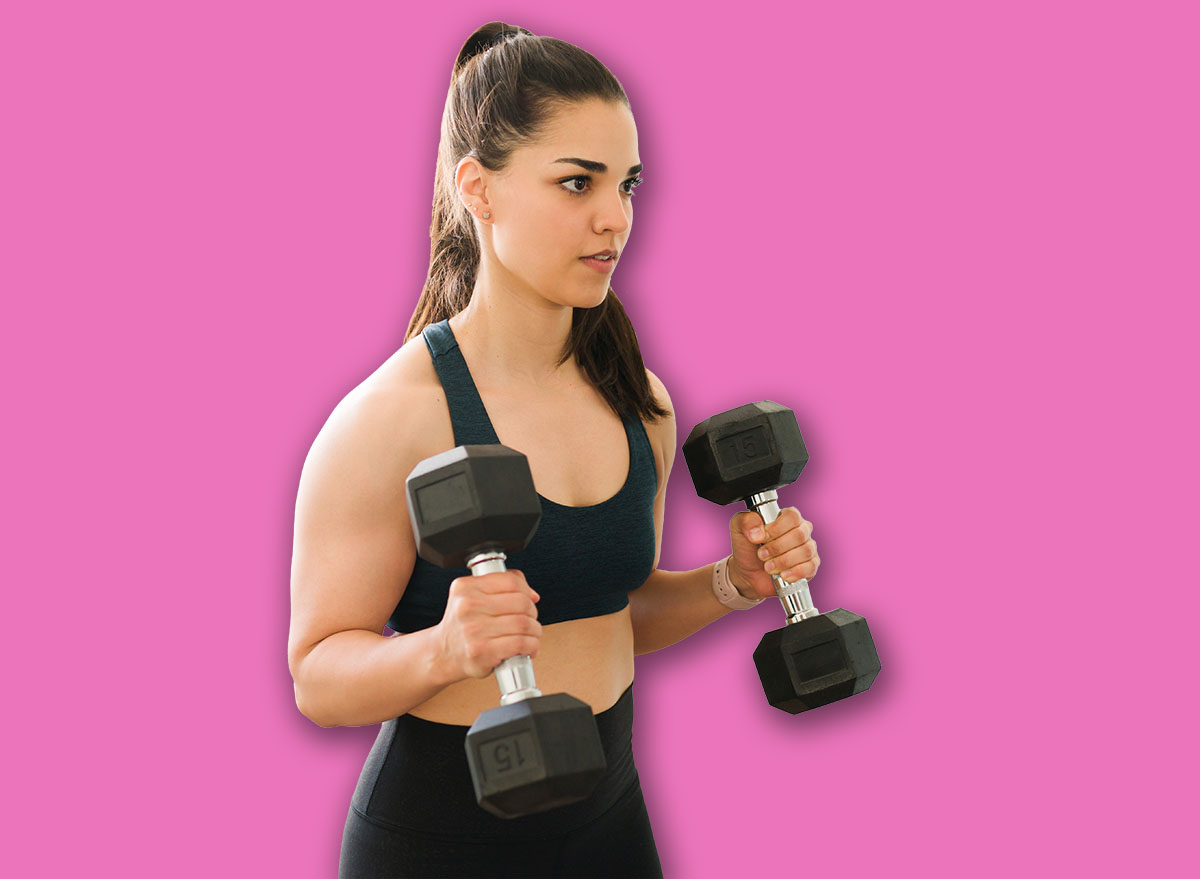
For many adults over 55, the appearance of excess skin and fat around the upper arms—colloquially known as bat wings
—is a common point of frustration. This change in physique is rarely about a single factor; rather, It’s a confluence of biological shifts. The natural loss of muscle mass, known as sarcopenia, combined with reduced skin elasticity and changes in body composition that accompany aging, often leads to a softer appearance in the underarm area.
While the desire to melt
fat from a specific area is a frequent goal, medical consensus is clear: spot reduction is a myth. According to research highlighted by The University of Sydney, it is not possible to target the location where you lose fat through exercise alone. Fat loss occurs systemically across the entire body, governed by overall caloric balance and genetics.
However, while you cannot target fat loss, you can target muscle growth. By focusing on the triceps and biceps, individuals can build the underlying structure of the arm, which improves muscle activation and creates a firmer, more toned appearance. For those over 55, the key is not necessarily heavy lifting, but rather consistency and controlled movement.
Terry Tateossian, founder of THOR – The House of Rose and a certified lifestyle medicine coach and nutritionist for women over 40, emphasizes that low-impact strength routines can be highly effective. By focusing on mechanical tension through proper form and time under tension (TOT)
, these exercises can activate underused muscles without placing excessive strain on the joints.
The Science of Arm Toning After 55
As we age, the body undergoes a process called sarcopenia, which is the age-related decline of skeletal muscle mass and strength. This makes resistance training essential, not just for aesthetics, but for maintaining functional independence. According to Harvard Health, combating this loss requires a combination of protein intake and consistent resistance exercise.
The goal for those targeting the underarm area is to engage the triceps (the muscles on the back of the arm) and the biceps (the front). When these muscles are strengthened, they provide a more defined shape beneath the skin, which can mitigate the appearance of sagging. Tateossian notes that for many in this age group, consistency with moderate resistance is more effective than occasional high-intensity training.
5 Gentle Exercises to Strengthen and Tone the Arms
The following routines focus on stability and control. To maximize results, Tateossian recommends a 2010 tempo
(typically meaning a gradual eccentric phase and controlled concentric phase) and resting for 60 seconds between sets.
1. Wall Pushups
Wall pushups are an excellent low-impact alternative to floor pushups, reducing the load on the shoulders and wrists while still targeting the triceps and chest.
- Stand tall, positioned arms-length away from a wall.
- Place hands shoulder-width apart on the wall surface.
- Engage the core and slowly bend the elbows to lower the chest toward the wall.
- Press back up to the starting position using a slow, controlled movement.
- Protocol: 3 to 4 sets of 10 to 12 reps.
2. Seated Tricep Kickbacks
Performing this move while seated provides extra stability, allowing the user to focus entirely on the contraction of the triceps.
- Sit tall on a workout bench or sturdy chair with feet flat on the ground, holding a dumbbell in each hand.
- Hinge at the hips, keeping the back flat and core engaged.
- Retain the upper arms parallel to the ground while extending the dumbbells behind the body.
- Squeeze the triceps at the top of the movement.
- Return to the start position with control.
- Protocol: 3 to 4 sets of 10 to 12 reps.
3. Dumbbell Hammer Curls
Hammer curls target both the biceps and the brachialis, a muscle that lies underneath the biceps, helping to add fullness to the arm.
- Commence seated with feet flat on the floor.
- Hold a dumbbell in each hand using a neutral grip (palms facing inward).
- Keep arms completely extended at the sides with relaxed shoulders.
- Curl the weights up toward the shoulders while keeping palms facing inward.
- Lower the weights slowly and with control.
- Protocol: 3 to 4 sets of 10 to 12 reps.
4. Seated Alternating Isometric Lateral Raises
This exercise incorporates isometric tension, which keeps the muscle engaged for a longer period, increasing the “time under tension.”
- Sit tall on a bench or chair with feet flat on the ground.
- Hold dumbbells at the sides, palms facing inward.
- Raise both arms out to the side to shoulder level, forming a
T
shape. - Keep one arm steady at shoulder level while the other slightly lowers and then lifts back up to shoulder height.
- Protocol: 3 to 4 sets of 10 to 12 reps per side.
5. Farmer’s Carry
While often viewed as a full-body stability move, the Farmer’s Carry provides significant isometric tension to the arms and grip strength.
- Hold a heavy dumbbell or kettlebell in each hand at the sides. Tateossian suggests a weight approximately 50% of your body weight, though this should be adjusted based on individual capability and safety.
- Walk forward while keeping the torso still and shoulders retracted.
- Protocol: 3 to 4 sets, taking 12 to 15 steps per set.
Key Takeaways for Sustainable Results
Integrating these exercises into a weekly routine can lead to visible improvements in muscle tone, but they function best when paired with a holistic approach to health.

- Prioritize Form Over Weight: Especially after 55, the risk of joint injury increases. Slow, controlled movements are more effective for muscle activation than lifting heavy weights with poor form.
- Focus on Protein: Muscle synthesis requires adequate amino acids. Ensure your diet includes lean proteins to support the muscle growth triggered by these exercises.
- Manage Expectations: Remember that skin elasticity decreases with age. While muscle can fill out the area, some skin laxity is a natural part of the aging process.
- Consistency is Key: Strength gains are cumulative. Sticking to a moderate routine is more beneficial than a “crash” workout program.
Frequently Asked Questions
Can I do these exercises every day?
Muscle grows during rest, not during the workout. It is generally recommended to allow 48 hours of recovery between targeting the same muscle group. A schedule of three times per week is often ideal.
What if I don’t have dumbbells?
For exercises like hammer curls or kickbacks, household items such as water bottles or cans can serve as makeshift weights until professional equipment is available.
Are these exercises safe for people with arthritis?
Low-impact exercises are generally safer for those with joint issues, but individuals should always consult a healthcare provider before starting a new resistance program, particularly if they have severe osteoarthritis in the shoulders or elbows.
Maintaining arm strength is about more than aesthetics; it is about the ability to carry groceries, open jars, and maintain autonomy. By focusing on controlled, low-impact movements, adults over 55 can effectively combat muscle loss and improve their overall quality of life.
For those seeking further guidance on age-related muscle loss, the National Center for Biotechnology Information (NCBI) provides extensive peer-reviewed research on managing sarcopenia through resistance exercise.
We encourage our readers to share their experiences with low-impact strength training in the comments below. Have you found a particular routine that works for you?