
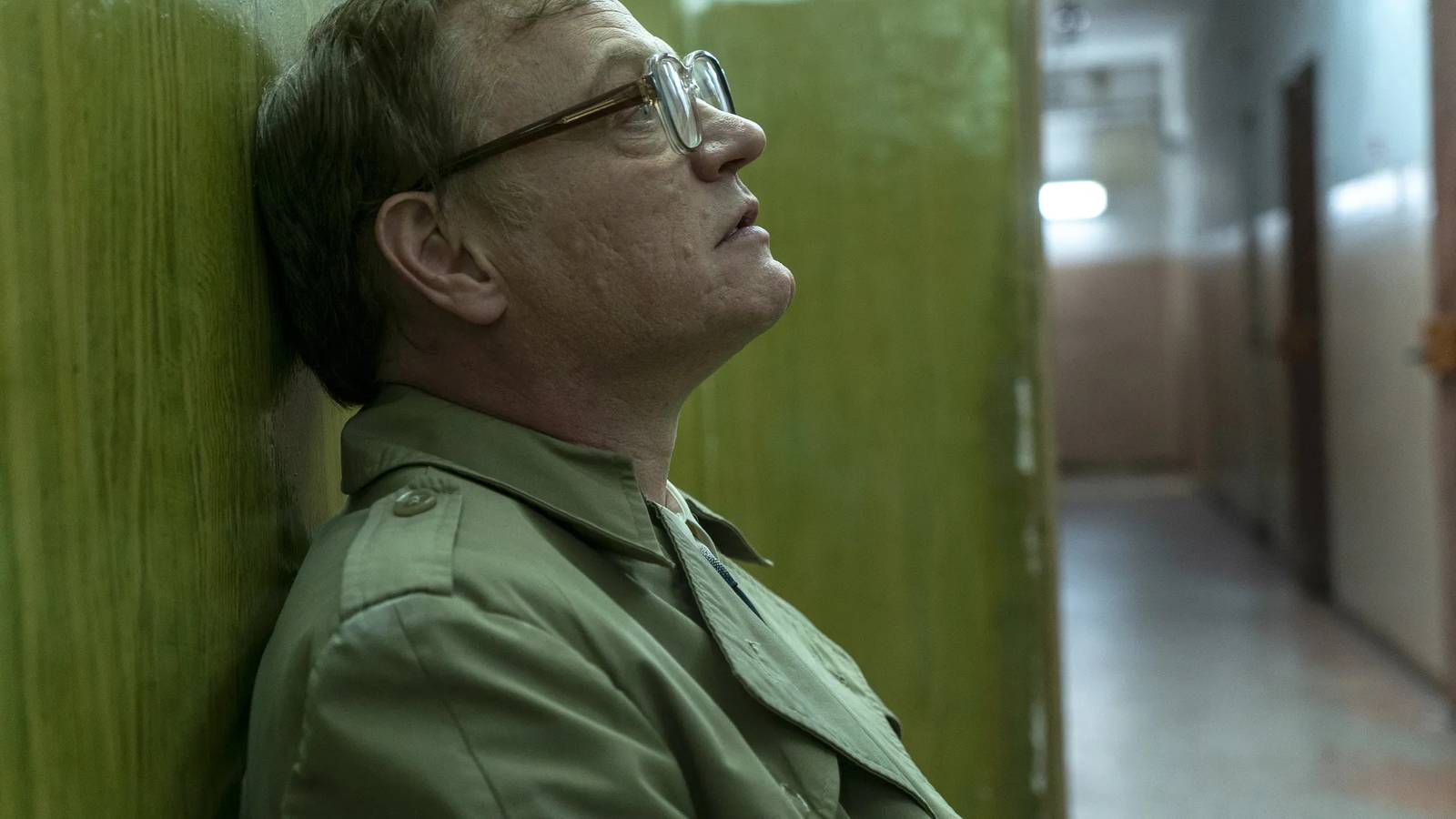
When a production decides to tackle a tragedy of global proportions, the line between dramatic license and historical record becomes a precarious tightrope. For many viewers, the visceral impact of a historical drama is not found in the plot twists, but in the unsettling feeling that the world on screen is an exact mirror of a reality that once existed. This commitment to authenticity is the engine that drives the tension in high-stakes storytelling.
Few examples illustrate this better than the HBO and Sky UK miniseries Chernobyl
, which chronicles the 1986 nuclear disaster in the Soviet Union. By prioritizing an obsessive level of historical accuracy in its production design and atmospheric detail, the series transforms a known historical event into a suffocatingly real experience. The result is a narrative where the anxiety and fear felt by the characters are rooted in a tangible, verified past, making the horror of the event feel immediate and plausible.
The series does more than just recount the timeline of the explosion at the Vladimir I. Lenin Nuclear Power Plant; it reconstructs the very texture of the late Soviet era. From the drab, utilitarian interiors of government offices to the specific industrial grime of the power plant, the visual language of the show serves as a constant reminder that these events actually occurred. This attention to detail prevents the show from feeling like a sanitized Hollywood version of history, instead presenting a world where the systemic failures of a bureaucracy are as deadly as the radiation itself.
The Architecture of Authenticity: Recreating the Soviet Aesthetic
The haunting atmosphere of Chernobyl
was not an accident of cinematography, but the result of exhaustive research led by production designer Luke Hull. To capture the specific “seem” of the 1980s Soviet Union, the production team avoided generic “Cold War” tropes, instead sourcing authentic materials and studying the specific architectural patterns of the Ukrainian SSR. According to reporting from Deadline, Hull’s approach involved a deep dive into the visual markers of the era to ensure that the environments felt lived-in and oppressive.
The production design focused on the “retro-industrial” aesthetic of the time—a blend of brutalist concrete, heavy machinery, and the pervasive, muted color palettes of Soviet bureaucracy. By recreating the control rooms and the corridors of the power plant with such precision, the series anchors the viewer in a specific place and time. This allows the audience to experience the claustrophobia of the situation, where the physical environment reflects the rigid, uncompromising nature of the Soviet state.
The commitment to detail extended to the smallest props. The team sought out period-accurate telephones, typewriters, and clothing to ensure that no modern anachronisms would break the immersion. This level of dedication is what makes the series feel rooted in real life
; when the characters interact with their environment, the tactile reality of the objects reinforces the authenticity of their struggle. The visual fidelity serves as a silent witness to the tragedy, suggesting that if the objects are this real, the consequences must be equally undeniable.
Why Historical Accuracy Heightens Dramatic Tension
In fictional worlds, the stakes are defined by the writer’s imagination. In a historically accurate drama, whereas, the stakes are defined by the archive. The tension in Chernobyl
is amplified because the audience knows the outcome, yet the meticulous recreation of the process—the sluggish realization of the disaster, the frantic attempts to contain the core, and the bureaucratic denial—creates a sense of inevitable dread.
This “chilling” effect occurs because the series demonstrates that the disaster was not the result of a single freak accident, but the culmination of systemic failures. By showing the exact way the RBMK reactor worked (and failed), the show transforms a complex scientific disaster into a human drama. The fear is not just about the radiation, but about the fragility of truth in a system built on lies.
The psychological weight of the series is carried by the performances, particularly Jared Harris as Valery Legasov. The actor’s portrayal is supported by a set that feels authentically oppressive, allowing the internal conflict of a scientist fighting a government to manifest physically. The contrast between the sterile, cold offices of the Party officials and the chaotic, radioactive ruins of the plant creates a visual dichotomy that mirrors the conflict between official narratives and the grim reality on the ground.
The Human Cost of Systemic Failure
Beyond the sets and the costumes, the series captures the human cost of the disaster by grounding its characters in the social realities of 1986. The portrayal of the “liquidators”—the soldiers, miners, and firefighters who worked to contain the radiation—is handled with a restraint that emphasizes the scale of the sacrifice. By avoiding overly stylized action and instead focusing on the grueling, repetitive nature of the cleanup, the series honors the actual history of those affected.
The horror of the series is not found in jump scares, but in the quiet moments of realization: a Geiger counter clicking frantically in a silent room, or the sight of a graphite block on the roof of the reactor. These details are not merely “set dressing”; they are the evidence of a catastrophe. When a show bothers to get these details right, it ceases to be mere entertainment and becomes a cautionary tale about the dangers of institutional dishonesty.
Key Elements of the Production’s Realism
| Focus Area | Production Approach | Impact on Viewer |
|---|---|---|
| Visual Palette | Muted, desaturated tones of the Soviet 1980s | Creates a sense of bleakness and stagnation |
| Set Design | Detailed recreation of RBMK control rooms | Increases tension through technical authenticity |
| Costuming | Period-accurate Soviet civilian and military attire | Grounds the characters in a specific socio-political era |
| Atmosphere | Apply of authentic industrial sounds and textures | Evokes a visceral, claustrophobic feeling of dread |
As we look back at the impact of the series, it remains a benchmark for how historical dramas can balance narrative needs with factual integrity. By refusing to simplify the tragedy or glamorize the disaster, the creators ensured that the anxiety felt by the audience was a reflection of the actual terror experienced by those in Pripyat and the surrounding regions.
For those interested in the actual history of the event, official records and archives from the International Atomic Energy Agency (IAEA) provide the scientific and regulatory context that informs the series’ depiction of nuclear safety and the aftermath of the 1986 accident.
The legacy of Chernobyl
serves as a reminder that in the digital age, where misinformation is rampant, the pursuit of accuracy is a moral imperative. When a production takes the time to get the details right, it does more than just create a better show—it preserves a fragment of truth for a global audience.
The ongoing monitoring of the Chernobyl Exclusion Zone continues today, with international agencies managing the New Safe Confinement structure to prevent further leaks. Updates on the environmental recovery of the region are periodically released by Ukrainian and international nuclear authorities.
Do you believe historical dramas should prioritize absolute accuracy over narrative flow, or is some creative liberty necessary for a story to resonate? Share your thoughts in the comments below.