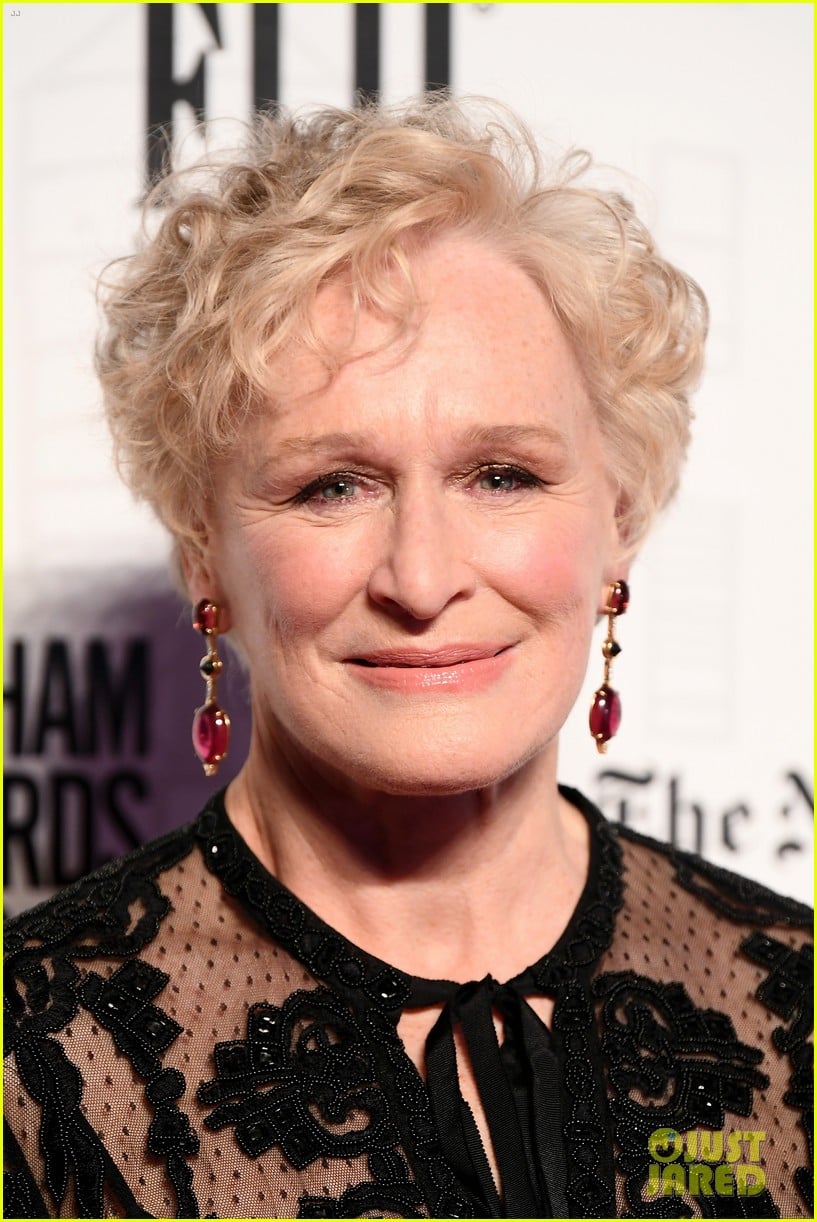
In the pantheon of American cinema, few figures command as much respect for their versatility and technical precision as Glenn Close. From the psychological intensity of a thriller to the nuanced stillness of a period drama, Close has spent over five decades redefining the boundaries of the leading lady. Her career is not merely a collection of roles, but a masterclass in the art of performance, blending a formidable screen presence with a profound emotional intelligence.
Widely regarded as one of the most decorated actors of her generation, Close has navigated the transition from the New York stage to global superstardom with a rare consistency. Her trajectory is marked by an uncompromising commitment to complex characters, often choosing roles that challenge social norms or explore the darker recesses of the human psyche. This dedication has earned her a place among the elite, characterized by a trophy cabinet that spans the most prestigious honors in film, television, and theater.
The scale of her achievement is best understood through the numbers. Close has been nominated for eight Academy Awards, a testament to her enduring relevance across different eras of filmmaking. Beyond the Oscars, she has secured three Golden Globe Awards, three Primetime Emmy Awards, and three Tony Awards, making her one of the few performers to achieve such high-level recognition across all three primary entertainment mediums according to biographical records.
A Legacy of Transformation: From Broadway to the Huge Screen
Long before she became a household name in Hollywood, Glenn Close established her foundation in the rigorous environment of the theater. Her professional journey began with a Broadway debut in the 1974 production of Love for Love. This early period of her career was instrumental in developing the discipline and range that would later define her cinematic work. Her success on stage was not fleeting; she eventually earned three Tony Awards, cementing her status as a powerhouse of the American theater.
Close’s transition to film was immediate and impactful. She made her cinematic debut in 1982 in The World According to Garp, playing the mother of the character played by Robin Williams. The role did more than just introduce her to a wider audience; it earned her first Academy Award nomination for Best Supporting Actress as noted by Britannica. This served as a harbinger for the critical acclaim that would follow throughout the 1980s and 90s.
The late 1980s saw Close reach a peak of cultural visibility with two iconic roles that showcased her ability to portray obsession and social manipulation. In Fatal Attraction, she delivered a chilling performance that became a cultural touchstone, while in Dangerous Liaisons, she displayed a sophisticated, calculating brilliance. Both roles garnered Oscar nominations, further establishing her as a bona fide leading lady capable of carrying a major studio production through sheer force of talent.
The Television Renaissance and Modern Mastery
While many film stars view television as a secondary medium, Glenn Close embraced it as a venue for deeper character studies. This shift was most evident in the legal drama Damages, where she played the formidable Patty Hewes. Her portrayal of the ruthless litigator was a masterclass in power dynamics and psychological warfare, earning her critical praise and contributing to her collection of Primetime Emmy Awards.

In more recent years, Close has continued to seek out roles that defy the stereotypes typically associated with older actresses. Her work in The Wife saw her transform into a supportive yet simmering spouse, a role that earned her further Academy Award consideration. Whether playing a high-powered executive, a grieving mother, or a complex antagonist, she maintains a level of detail in her performance that prevents her characters from ever becoming caricatures.
Her influence extends beyond the screen and into the realm of global cultural impact. In 2019, Time
named her one of the 100 most influential people in the world, recognizing not just her artistic contributions but her standing as a symbol of excellence and longevity in a volatile industry per historical archives.
Career Milestone Summary
| Award Category | Achievement/Count | Notable Work |
|---|---|---|
| Academy Awards | 8 Nominations | The World According to Garp, Fatal Attraction, The Wife |
| Golden Globes | 3 Wins / 16 Nominations | Various Film and TV roles via Golden Globes Database |
| Primetime Emmys | 3 Wins | Damages |
| Tony Awards | 3 Wins | Broadway Theatre |
The Technicality of Talent: Why Glenn Close Matters
To understand why Glenn Close is referred to as a legend among legends
, one must gaze at the technicality of her acting. Unlike performers who rely on a singular “persona,” Close is a chameleon. She possesses the rare ability to manipulate her voice, posture, and gaze to fit the specific social class and psychological state of her character. This is particularly evident in her transition from the aristocratic precision of Dangerous Liaisons to the raw, visceral desperation of Fatal Attraction.

her career serves as a blueprint for longevity in Hollywood. In an industry that often sidelines women as they age, Close has remained a primary draw for directors and a coveted lead for studios. By consistently choosing challenging scripts over “safe” roles, she has ensured that her work remains relevant to new generations of viewers and critics alike.
Her legacy is also defined by her ability to balance commercial success with artistic integrity. While she has appeared in blockbusters and widely viewed series, she has never abandoned the independent spirit that drove her early theater work. This balance has allowed her to maintain a level of prestige that few of her peers have achieved.
Key Takeaways on Glenn Close’s Impact
- Versatility: Mastery across film, television, and stage, winning the “Triple Crown” of acting (Oscar nominations, Emmy wins, and Tony wins).
- Psychological Depth: Renowned for portraying complex, often morally ambiguous women who challenge traditional gender roles.
- Industry Longevity: A career spanning over 50 years, maintaining top-tier leading lady status from the 1970s into the 2020s.
- Critical Acclaim: One of the most nominated actors in Academy Award history, reflecting a consistent standard of excellence.
As Glenn Close continues to select projects that push the boundaries of her craft, the industry looks forward to her upcoming contributions to cinema and stage. While there are no currently announced retirement plans or specific upcoming premiere dates that have been officially filed in the public record, her ongoing presence in the industry suggests that her narrative is far from complete.
We invite our readers to share their favorite Glenn Close performance in the comments below. Which role do you believe defines her legacy the most?