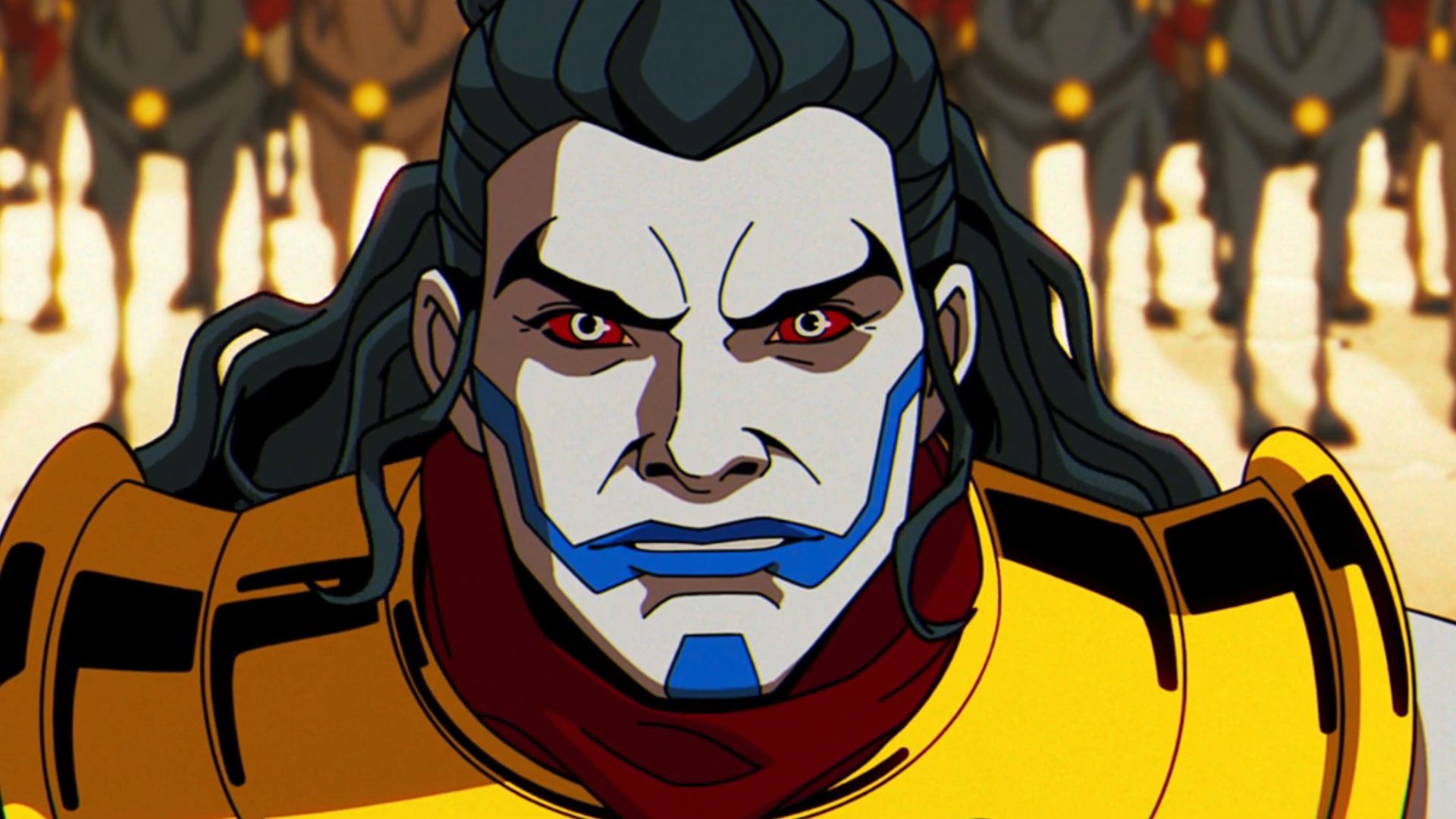
Marvel Comics and the Marvel Cinematic Universe (MCU) integrate Ancient Egyptian mythology to establish the origins of cosmic entities, time-traveling conquerors, and mutant evolution, primarily through the narratives of Moon Knight, Kang the Conqueror, and Apocalypse. These storylines use Egyptian deities and historical settings to bridge the gap between supernatural mysticism and advanced science fiction across multiple film and television franchises.
The intersection of Egyptian history and Marvel lore serves as a narrative anchor for several key characters. In the MCU, this is most evident in the 2022 series Moon Knight, where the Egyptian god Khonshu recruits a human avatar to protect the living. Simultaneously, the broader Marvel multiverse utilizes the persona of Rama-Tut—a variant of Kang the Conqueror—to link high-concept time travel with the era of the pharaohs.
According to official character biographies from Marvel, these connections are not merely aesthetic but are central to the motivations of the antagonists and protagonists involved. For instance, the mutant En Sabah Nur, known as Apocalypse, originates in Ancient Egypt, where his philosophy of “survival of the fittest” began during the early stages of human civilization.
How Moon Knight Integrates Egyptian Deities
The Moon Knight series centers on the relationship between Marc Spector and Khonshu, the Egyptian god of the moon and vengeance. In the series, Khonshu operates as a deity who requires a physical vessel, or “fist,” to carry out his will on Earth. This dynamic establishes a precedent in the MCU for “avatars,” where divine power is granted to humans in exchange for servitude.

The narrative introduces a conflict between Khonshu and Ammit, the deity of judgment and retribution. While Khonshu focuses on punishing those who have already committed crimes, Ammit seeks to judge souls before they commit a sin, effectively eliminating “future” criminals. This theological clash drives the plot of the series and explains the presence of ancient Egyptian artifacts and temples in modern-day Cairo.
The series also features Taweret, the hippopotamus goddess of childbirth and protection, who provides a counterpoint to Khonshu’s manipulation. By grounding the story in these specific mythological roles, Marvel transforms Ancient Egyptian beliefs into a functional power system within the MCU.
The Role of Rama-Tut and Kang the Conqueror
The character of Kang the Conqueror introduces a science-fiction element to Marvel’s Egyptian history through his variant, Rama-Tut. In the comic book continuity, Kang travels back to 3000 BC, where he uses his advanced technology to pose as a god-king and rule Egypt as Pharaoh Rama-Tut.
This specific persona demonstrates the “conqueror” aspect of Kang’s identity, showing that his ambition spans millennia. By ruling as a pharaoh, Rama-Tut utilizes the social structure of Ancient Egypt to build a power base, often blending futuristic weaponry with ancient architecture to maintain control over the population.
The concept of variants is central to the MCU’s current “Multiverse Saga.” As seen in Ant-Man and the Wasp: Quantumania, different versions of Kang exist across time and space. The Rama-Tut variant represents the intersection of temporal manipulation and historical imperialism, suggesting that the Egyptian empire was, in some timelines, a product of future technology.
Apocalypse and the Origins of Mutant Evolution
En Sabah Nur, the mutant known as Apocalypse, provides the most direct link between Ancient Egyptian history and the X-Men franchise. Born in Egypt during the dawn of civilization, En Sabah Nur possessed immense power from birth, which he used to enforce a brutal social Darwinist regime.
Apocalypse’s backstory establishes that mutants have existed since the beginning of human history, rather than being a modern phenomenon. His tenure in Ancient Egypt involved the systematic elimination of the weak to ensure that only the strongest survived, a goal he continues to pursue in the modern era.
The X-Men ’97 series, a revival of the 1990s animated show, continues to explore the legacy of mutant evolution. While Disney+ has confirmed the renewal of the series for a second season, the franchise historically utilizes Apocalypse’s Egyptian roots to contrast the primitive beginnings of mutant power with the complex political struggles of the current X-Men team.
Comparative Analysis of Egyptian Influences
The application of Egyptian history differs significantly across these three character arcs. Moon Knight uses Egypt as a source of spiritual and mystical authority; Kang uses it as a strategic location for political domination; and Apocalypse uses it as the birthplace of a biological ideology.
The following table outlines the primary functions of Egyptian history for these characters:
| Character | Egyptian Entity/Persona | Primary Theme | Nature of Power |
|---|---|---|---|
| Moon Knight | Khonshu / Ammit | Divine Judgment | Mystical/Avatar |
| Kang | Rama-Tut | Imperialism | Technological/Temporal |
| Apocalypse | En Sabah Nur | Survival of the Fittest | Biological/Mutant |
Why This Mythology Matters for the MCU
Integrating Ancient Egyptian history allows Marvel to expand its world-building beyond contemporary settings. By linking characters to the pharaonic era, the writers can create “deep time” narratives that make the universe feel older and more interconnected.
This strategy also allows for the introduction of “Cosmic Entities” who are not extraterrestrial but are instead planetary deities. This distinguishes the mystical side of the MCU (as seen in Doctor Strange and Moon Knight) from the galactic side (as seen in Guardians of the Galaxy). When a character like Rama-Tut appears, it merges these two worlds, suggesting that what ancient humans perceived as “gods” were often just beings with superior technology from the future.
Furthermore, the use of Egypt provides a visually distinct setting that contrasts with the urban environments of New York or the futuristic landscapes of Wakanda. The architectural scale of the pyramids and temples mirrors the “larger-than-life” nature of the characters inhabiting them.
What Happens Next for Marvel’s Egyptian Lore
As the MCU progresses through the Multiverse Saga, the potential for more Rama-Tut appearances remains high, given the central role of Kang variants in the narrative architecture. Additionally, the continued expansion of the X-Men universe on screen suggests that Apocalypse’s Egyptian origin will eventually be a focal point for the MCU’s mutant storylines.
Industry reports and official announcements from Disney+ indicate a continued investment in the X-Men ’97 series, which provides a platform to further explore the historical depths of mutantkind. While specific plot details for upcoming episodes are typically kept under wraps until official press releases, the historical precedent for the characters suggests a recurring return to the roots of En Sabah Nur.
The next confirmed checkpoint for the franchise is the continued rollout of Marvel Studios’ Phase 5 and 6 projects, which are expected to further reconcile the mystical and technological elements of the multiverse.
Readers are encouraged to share their thoughts on which Egyptian deities should appear next in the MCU in the comments section below.