
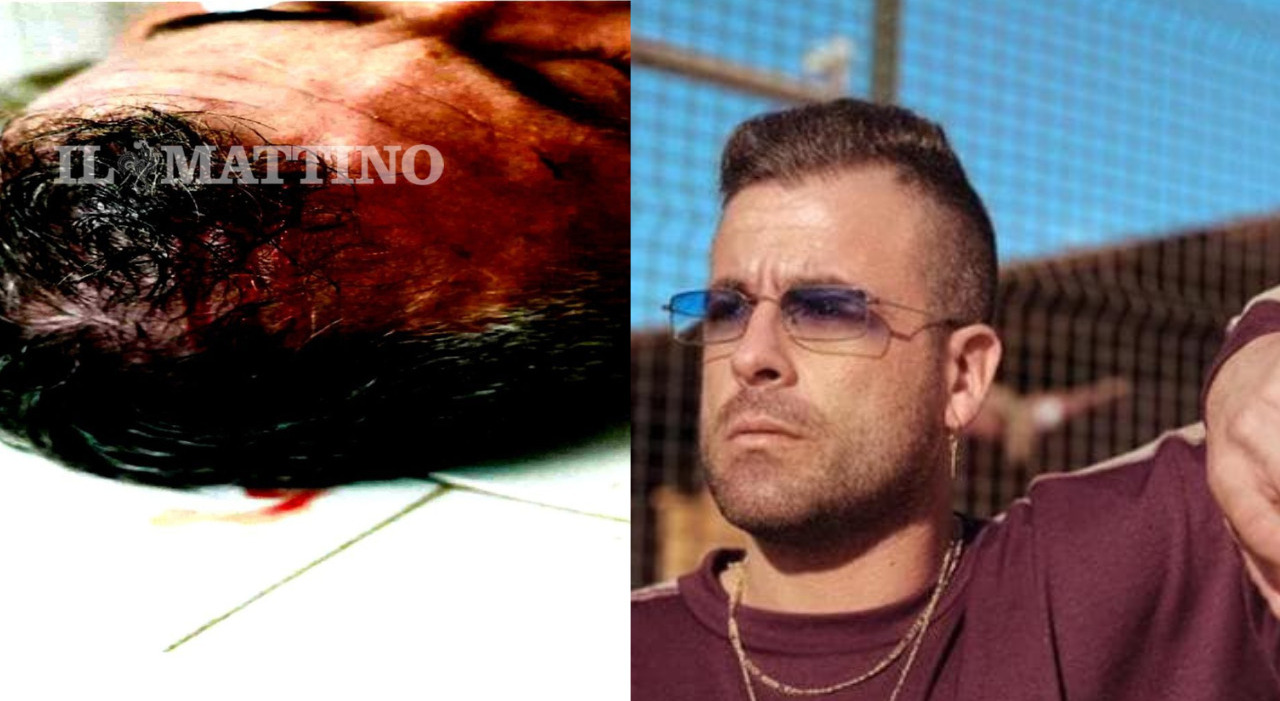
The investigation into the death of a young musician known as DJ Godzi in Ibiza has entered a volatile new phase following the submission of a private medical expert report that alleges the victim was subjected to torture before his death. The findings, presented by the family’s legal team, challenge previous narratives surrounding the incident and have sparked renewed demands for a comprehensive judicial inquiry into the circumstances of the beating.
The case, which has drawn significant attention in both Italy and Spain, centers on allegations of extreme violence that the family claims were systematically ignored or downplayed during the initial stages of the investigation. The newly filed forensic analysis suggests that the injuries sustained by DJ Godzi were not the result of a simple altercation, but rather a prolonged period of abuse designed to inflict maximum pain.
For the family, the fight for the truth has evolved into a broader critique of how violent deaths of foreigners are handled in high-tourism zones. The comparison to high-profile cases of institutional violence in Europe has become a focal point of their campaign, as they seek to ensure that the Spanish authorities conduct a transparent and exhaustive search for those responsible for the attack.
New Forensic Evidence and Torture Allegations
The core of the current legal escalation is a medical expert report, or perizia
, commissioned by the family of DJ Godzi. This document argues that the nature of the trauma found on the body is consistent with torture. According to reports on the filing, the evidence points to a level of violence that exceeds a standard physical assault, suggesting a deliberate and cruel intent to cause suffering.
The family’s legal representatives have argued that the specific distribution of bruises and internal injuries indicates that the victim was incapacitated and then repeatedly attacked. This evidence has led the family to claim that their son was tortured until death
, a phrase that has become central to their public appeals for justice.
This new evidence aims to force the Spanish judiciary to reopen or expand the investigation. The family contends that the initial autopsy and police reports did not sufficiently account for the severity of the injuries or the timeline of the assault, which they believe indicates a sustained attack rather than a momentary clash.
The Comparison to the Cucchi Case
In their pursuit of justice, the family and their legal team have explicitly compared the death of DJ Godzi to the Caso Cucchi
. To a global audience, this reference is highly charged, as it refers to the 2018 death of Stefano Cucchi, an Italian man who died in police custody in Rome after being subjected to torture. The Cucchi case became a landmark symbol in Italy for the fight against institutional brutality and the cover-ups that often follow such events.
By invoking this precedent, the family of DJ Godzi is not merely describing the physical violence their son endured, but is alleging a similar pattern of institutional failure. They suggest that the initial handling of the Ibiza incident mirrored the negligence or active obfuscation seen in the Cucchi case, where the true cause of death was only revealed after years of legal battles and independent forensic reviews.
“It is another Cucchi case.” Legal representatives of the DJ Godzi family
This comparison underscores the family’s belief that the authorities may have attempted to minimize the gravity of the crime to protect the image of Ibiza as a safe, world-class tourist destination. The allegation is that the brutality of the crime was obscured to maintain a facade of order in one of the world’s most famous party hubs.
The Father’s Testimony and the Fight for Truth
The father of DJ Godzi has been the most vocal advocate for the reopening of the case, describing the agony of receiving conflicting information about his son’s final moments. He has publicly stated that the new medical report confirms the family’s long-held suspicions that the official version of events was incomplete or intentionally misleading.
The father has questioned the motives of the attackers, asking why there was such a level of relentless cruelty
directed toward his son. He has emphasized that the photos of the beating, which have been discussed in Italian media reports, provide undeniable proof of a level of violence that cannot be explained away as a simple fight over a dispute.
Beyond the legal victory of the forensic report, the father is seeking a moral acknowledgment of the suffering his son endured. He has called for the Spanish authorities to treat the case with the same urgency and rigor as they would a citizen of Spain, arguing that the vulnerability of foreign workers and artists in Ibiza often makes them targets for violence and subsequent legal indifference.
Legal Implications in Spain and Italy
The submission of the private expert report creates a significant legal hurdle for the current investigation. Under Spanish law, if a private forensic report provides substantial new evidence that contradicts the official autopsy or police findings, the court may be compelled to order a new autopsy or a supplementary investigation.
The legal strategy employed by the family involves two fronts: the judicial process in Spain, where the crime occurred and the diplomatic and legal pressure applied through Italian channels. Because the victim was an Italian national, the Italian consulate and judicial authorities have a role in ensuring that the Spanish investigation meets international standards of due process.
The primary legal objectives currently include:
- The formal recognition of the torture allegations within the court record.
- The identification and arrest of all individuals involved in the assault, including any who may have witnessed the event and remained silent.
- A thorough review of the initial police response to determine if there was any negligence or intentional cover-up of the evidence.
Understanding the Impact of Forensic Reports in Criminal Cases
In complex homicide or assault cases, a perizia
serves as a critical tool for the defense or the victim’s family to challenge the state’s narrative. When a state-appointed medical examiner provides a cause of death that the family finds insufficient, a private expert can analyze the same data—or request new tests—to find patterns of injury that may have been overlooked.
In the case of DJ Godzi, the focus is on the distinction between accidental trauma
and intentional torture
. Torture, in a legal sense, involves the intentional infliction of severe pain or suffering for purposes such as intimidation, punishment, or coercion. Establishing this in court elevates the crime from a standard homicide or assault to a more severe category of human rights violation, which can carry heavier penalties and trigger different investigative protocols.
The Broader Context of Violence in Ibiza
The death of DJ Godzi has cast a shadow over the reputation of Ibiza, an island known globally for its nightlife and electronic music scene. While the island attracts millions of tourists annually, there have been recurring reports of friction between the local economy and the migrant workers or foreign artists who fuel the industry.
Advocates for victims of violence in the Balearic Islands have argued that there is often a disparity in how crimes are investigated depending on the social status or nationality of the victim. The family of DJ Godzi believes their son’s case is an example of this disparity, where a young foreign artist is viewed as more expendable than a wealthy tourist or a local resident.
This case has prompted a wider conversation about the safety of the international creative community working in the Mediterranean. The demand for justice for DJ Godzi is now being linked to a call for better protections and legal support for foreign nationals who find themselves entangled in the Spanish legal system under traumatic circumstances.
Next Steps in the Judicial Process
The legal proceedings are now awaiting a response from the Spanish judge overseeing the case regarding the admissibility and impact of the new forensic report. If the judge accepts the findings as grounds for a new line of inquiry, it could lead to the summoning of new witnesses or the re-interrogation of suspects.
The family remains committed to pursuing the case until a final verdict is reached, regardless of how long the process takes. They have indicated that they will continue to use public awareness and media pressure to ensure the case does not fade from the public eye, which they believe is the only way to prevent the investigation from being stalled by institutional inertia.
The next confirmed checkpoint in the case will be the court’s decision on whether to order a new forensic examination or to call the family’s expert witness to testify before the magistrate. This ruling will determine if the case moves toward a trial for torture or remains a standard investigation into a violent death.
World Today Journal will continue to monitor this case as new court filings become available. We invite our readers to share their thoughts on the importance of international legal cooperation in cases of violent crime in the comments section below.