
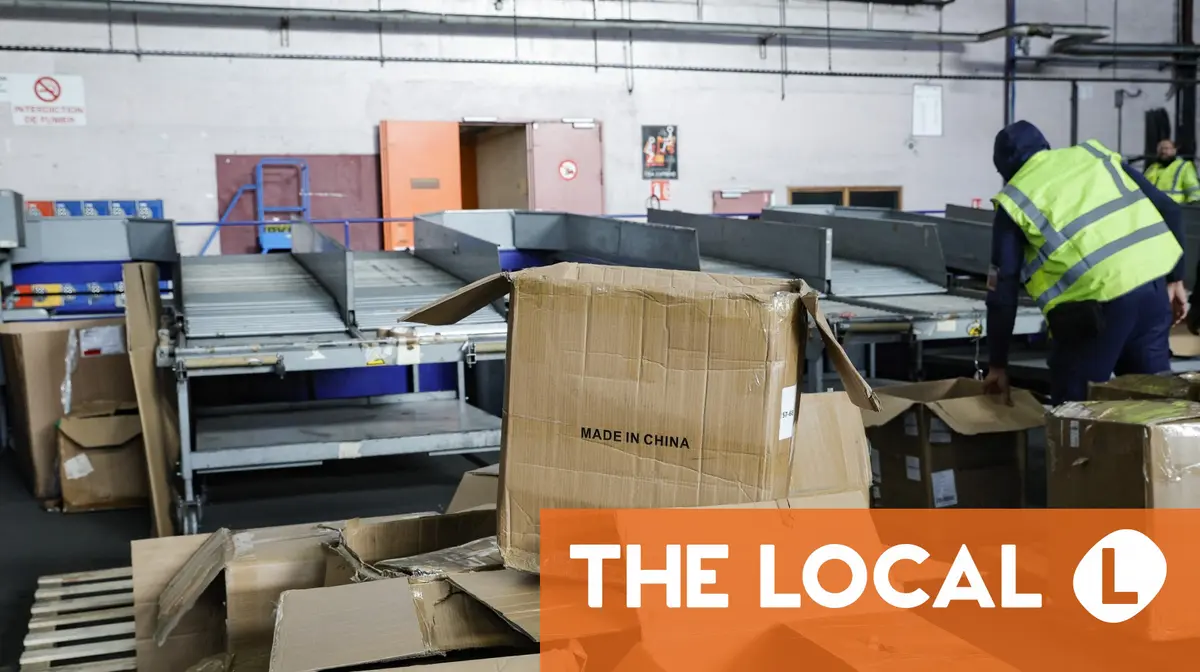
The European Union will impose a €3 import duty on small parcels valued under €150 entering its 27-member bloc starting July 1, 2024, marking the first major reform of its customs rules in decades. The measure targets a surge in low-cost shipments—primarily from China—that have overwhelmed EU postal systems and undercut local businesses. Shoppers should expect higher costs on cross-border purchases, while sellers may adjust pricing or shipping methods to absorb the fee.
According to the European Commission, the new rule applies to parcels weighing up to 2 kilograms with a declared value below €150. The fee will be collected by national customs authorities at the point of delivery, with consumers bearing the cost unless sellers opt to cover it. The policy aims to level the playing field for EU businesses while generating an estimated €1.3 billion annually in revenue for member states.
For context: The EU has faced mounting pressure to address the flood of cheap imports, particularly from China, which accounted for nearly 40% of all small parcels entering the bloc in 2023, according to EU customs data. The new fee builds on earlier proposals that were scaled back after resistance from retailers and logistics companies concerned about passing costs to consumers.
🚨 BREAKING: The EU will introduce a €3 fee on small parcels from July 1, 2024 to combat cheap imports, primarily from China. Shoppers should expect higher costs on cross-border purchases. #EUFee #CrossBorderShopping
Who Will Pay the €3 Fee?
The responsibility for the fee depends on how sellers structure their shipments. Under the new rules:

- Consumers will pay the fee directly if the parcel is delivered to their home address and the seller does not absorb the cost.
- Sellers may choose to include the fee in the product price or adjust shipping costs to avoid passing the burden to buyers.
- Businesses importing goods for resale will still face standard customs duties based on the full value of the shipment.
For example, an online shopper buying a €50 electronics gadget from a Chinese retailer could see their total cost rise to €53 if the seller does not cover the fee. However, some platforms like Amazon and AliExpress have already announced plans to absorb the fee for select products to maintain competitiveness.
Which Countries and Products Are Affected?
The fee applies uniformly across all 27 EU member states, including Germany, France, Italy, and Spain—the bloc’s largest markets for cross-border e-commerce. However, the impact will vary by country:

- Germany: Expected to see the highest volume of affected parcels due to its status as Europe’s largest e-commerce market, with an estimated 1.2 billion cross-border shipments annually.
- France: Postal operators like La Poste have warned of potential delays if the surge in fee-collection duties strains infrastructure.
- Smaller EU states: Countries like Estonia and Lithuania, which rely heavily on low-cost imports for retail, may face disproportionate economic effects.
Products most likely to be impacted include:
- Electronics (e.g., smartphones, smartwatches) from Chinese brands like Xiaomi or Huawei.
- Fashion items (e.g., shoes, accessories) from platforms like Shein or Temu.
- Home goods (e.g., kitchenware, decor) frequently sourced from Alibaba or AliExpress.
High-value items over €150 will continue to be subject to the EU’s standard import VAT and customs duties, which can exceed 20% in some member states.
How Will Retailers and Logistics Companies Respond?
Industry reactions to the fee have been mixed, with retailers and logistics providers scrambling to adjust their strategies:
- Price adjustments: Some sellers, particularly those with thin profit margins, may raise product prices to offset the fee. For instance, a €20 item could become €23 after the fee is added.
- Shipping consolidations: Couriers like DHL and FedEx may increase charges for international shipments to EU addresses, particularly for small, high-volume orders.
- Local sourcing shifts: Brands may prioritize EU-based warehouses or suppliers to avoid the fee, potentially increasing costs for consumers in the short term.
- Platform policies: Amazon has stated it will absorb the fee for orders under €25 placed through its European marketplaces, while AliExpress has introduced a “fee-free” shipping option for select sellers.
Logistics experts warn that the fee could also lead to longer delivery times, as customs clearance processes may slow down due to increased scrutiny of small parcels. The DHL Global Forwarding report projects a 5–10% rise in delivery delays for parcels subject to the new duty.
What Are the Economic Implications for Consumers and Businesses?
The €3 fee is projected to have both positive and negative economic effects:
- Consumer costs: The European Commission estimates that the average EU shopper could spend an additional €20–€30 annually on cross-border purchases, depending on their shopping habits.
- Support for EU businesses: Local retailers, particularly small and medium-sized enterprises (SMEs), stand to benefit from reduced competition on price. The EU estimates the measure could create up to 100,000 new jobs in the retail and logistics sectors.
- Market shifts: Some analysts predict that consumers may turn to domestic or intra-EU sellers to avoid the fee, potentially boosting economies like Poland, the Czech Republic, and Romania, which have become hubs for EU-based e-commerce warehouses.
- Inflation concerns: Critics argue that the fee could contribute to rising inflation, particularly for low-income households who rely on affordable imports. The European Parliament’s Economic Brief notes that the measure may disproportionately affect rural areas with limited access to local alternatives.
How to Prepare for the Fee: Practical Steps for Shoppers
Consumers can take several steps to mitigate the impact of the new fee:

- Check seller policies: Before purchasing, verify whether the retailer will absorb the fee or pass it to the buyer. Many platforms now display this information at checkout.
- Compare prices: Use tools like Idealo or Google Shopping to compare total costs, including shipping and potential fees.
- Consider local alternatives: Purchasing from EU-based sellers or marketplaces like Amazon EU may avoid the fee, though prices could be higher.
- Monitor delivery times: Expect potential delays for parcels from non-EU sellers, especially during peak seasons like Black Friday or Christmas.
- Keep receipts and customs documents: In case of disputes, having records of declared values and fees paid can help resolve issues with sellers or customs.
For businesses, the key is to review supply chain strategies. Companies that rely on Chinese suppliers may need to negotiate bulk shipping contracts or explore alternative sourcing within the EU.
What Happens Next: Key Dates and Updates
The €3 fee will be enforced starting July 1, 2024, with no immediate plans for a phase-out period. However, several developments are worth watching:
- July 1, 2024: Official implementation of the fee across all EU member states.
- Q3 2024: Expected release of the first official impact assessment by the European Commission, detailing revenue collected and economic effects.
- Late 2024: Potential adjustments to the fee structure based on feedback from member states and industry stakeholders.
- 2025: Possible expansion of the fee to include parcels valued up to €300, as proposed in some EU working papers.
The European Commission will provide regular updates through its dedicated customs portal, while national customs authorities will issue guidance for businesses and consumers in the coming weeks.
For now, shoppers are advised to budget for the additional cost and remain flexible with their purchasing strategies. The fee marks a significant shift in the EU’s approach to cross-border e-commerce, one that will likely reshape shopping habits and supply chains in the years to come.
Have you already noticed changes in shipping costs or retailer policies? Share your experiences in the comments below or tag @WorldTodayJrnl on X/Twitter to help others navigate the new rules.