
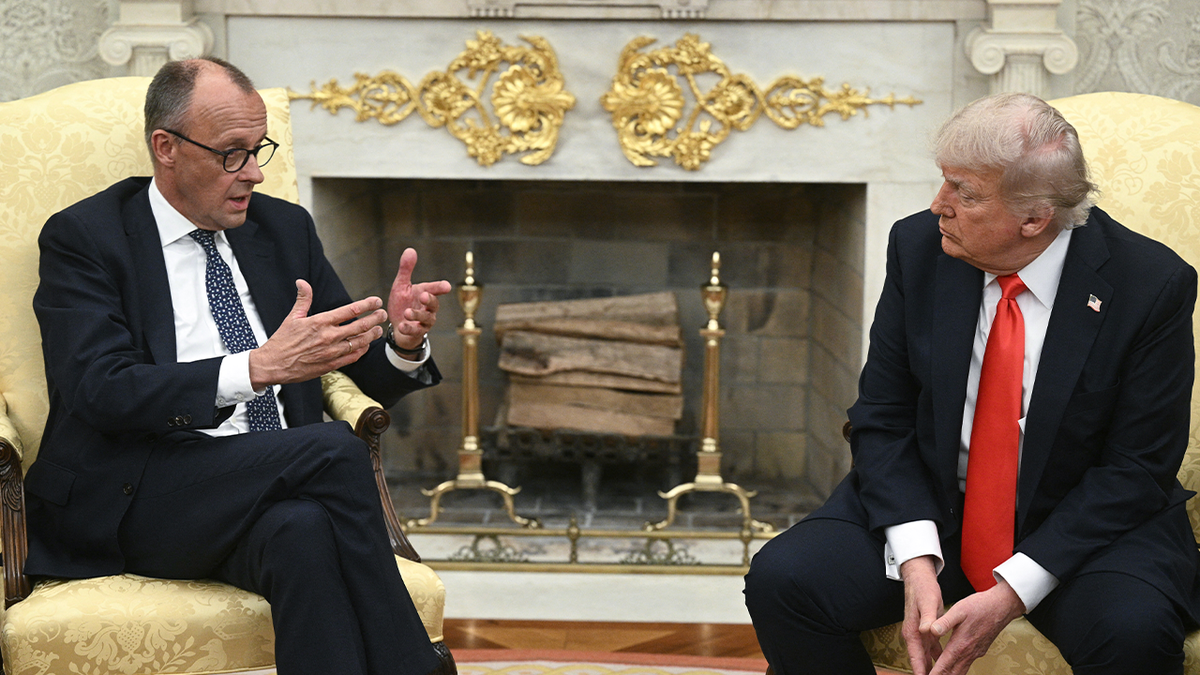
German Chancellor Friedrich Merz is navigating a perilous diplomatic tightrope as he attempts to balance the strategic necessity of a strong relationship with U.S. President Donald Trump against the domestic and geopolitical pressures of a volatile Middle East. The relationship, which began with a phase of cautious rapprochement and high-profile White House visits, has recently been strained by a public disagreement over the U.S.-led military operations in Iran.
The friction comes at a critical juncture for Berlin. With the German economy continuing to stall and the security architecture of Europe under pressure, Merz cannot afford a total rupture with Washington. Though, his recent efforts to distance himself from Trump’s aggressive posture in the Middle East have created a visible rift, leading some observers to describe the situation as an ill-timed tussle that could jeopardize Germany’s leverage on other key issues, including trade tariffs and the war in Ukraine.
The tension reached a peak in late April 2026, following a series of public statements where Merz warned that a prolonged conflict in Iran would severely impact European energy supplies, migration patterns, and overall regional security. While Merz has since attempted to downplay the row, the incident highlights the inherent difficulty of managing a “partnership” with a U.S. Administration that prioritizes unilateral action over multilateral consensus.
The Cycle of Rapprochement and Friction
The trajectory of the Merz-Trump relationship has been characterized by sharp swings. Following his ascent to the Chancellery, Merz initially moved away from his previous role as a critic of the U.S. President, opting instead for a strategy of pragmatic engagement. This approach culminated in an inaugural visit to the White House on June 5, 2025, where the two leaders focused on building ties regarding trade and the conflict in Ukraine.
By early 2026, the relationship appeared to have stabilized. On March 3, 2026, Merz met with Trump in the Oval Office amidst a backdrop of U.S. Strikes in Iran and looming tariff threats. During this period, Merz largely avoided direct criticism of U.S. Operations, signaling a willingness to maintain a functional working relationship despite deep-seated policy differences.
However, the “honeymoon” phase proved short-lived. By April 2026, the fallout from the Iran conflict became too significant for the German leader to ignore. Merz began to publicly express concern that the conflict could spiral out of control, leading to a public spat that forced him into a defensive posture. During a press conference on April 29, 2026, Merz sought to cool tensions, insisting that the personal bond between the two leaders remained intact.
The personal relationship between the American president and me remains, in my view, as good as ever. We are still, to set it in American English, on good speaking terms.Friedrich Merz, German Chancellor
Economic Stakes and the Tariff Trap
The diplomatic friction with Trump is not occurring in a vacuum. This proves happening while Germany faces a severe economic downturn. Merz was elected on a platform of economic revitalization, yet the country’s industry continues to struggle. This economic vulnerability makes the “tussle” with Trump particularly dangerous, as the U.S. Continues to use the threat of tariffs as a primary tool of negotiation.
The German government is acutely aware that any perceived lack of loyalty or cooperation from Berlin could result in punitive trade measures. The tension over Iran risks overshadowing Merz’s primary goal: securing a trade deal that protects German exports. According to reports from Politico, Merz has faced criticism for blaming external factors—such as Brussels’ regulations and the Iran war—for Germany’s economic decline, rather than implementing a definitive internal strategy.
This creates a paradoxical situation. To protect the economy, Merz needs Trump’s favor; but to maintain his credibility at home and within the European Union, he must occasionally challenge Trump’s disruptive foreign policy. This “truth-telling” regarding the risks of the Iran war is seen by some as a necessary moral and strategic stance, and by others as a reckless gamble with the most important bilateral relationship in the world.
The Ukraine Dilemma and NATO Stability
Beyond trade and the Middle East, the friction between Merz and Trump threatens the unity of the North Atlantic Treaty Organization (NATO). Germany has long been under pressure from Washington to increase its defense spending, a point of contention that Trump has frequently highlighted. Merz has attempted to signal Germany’s commitment to the alliance, but the unpredictability of the U.S. Presidency makes long-term planning difficult.
The war in Ukraine remains a critical sticking point. While both leaders agree on the need for a resolution, their methods differ wildly. Merz advocates for a structured, multilateral approach to peace, whereas Trump has signaled a preference for rapid, deal-driven outcomes that may not align with the security guarantees sought by Kyiv or the broader European community.
The danger for Merz is that by engaging in public disagreements over Iran, he may lose the “private channel” of communication that is essential for negotiating the future of Ukraine. When diplomacy shifts from the Oval Office to the public press conference, the room for compromise shrinks. The current strategy of “distancing and then downplaying” reflects a leader struggling to find a consistent voice in an era of transactional diplomacy.
Key Diplomatic Milestones (2025-2026)
| Date | Event | Primary Focus |
|---|---|---|
| June 5, 2025 | Inaugural White House Visit | Trade and Ukraine ties |
| March 3, 2026 | Oval Office Meeting | Iran strikes and tariff threats |
| April 29, 2026 | Berlin Press Conference | Damage control following Iran row |
| May 2026 | Ongoing Consultations | Economic stability and NATO spending |
What Happens Next?
As Germany continues to grapple with economic stagnation and a shifting security landscape, the Merz administration must decide if it will prioritize ideological consistency or pragmatic submission. The immediate future will likely see Merz attempting to “sweet talk” the U.S. Administration to avoid the imposition of new tariffs, while quietly coordinating with EU partners to build a more autonomous European security framework.

The next critical checkpoint will be the upcoming bilateral review of trade agreements and the next scheduled NATO ministerial meeting, where the level of coordination between Berlin and Washington will be put to a public test. Whether Merz can successfully pivot from “tussling” back to “partnering” will determine if Germany remains a central player in the transatlantic alliance or becomes a casualty of the current era’s volatile diplomacy.
World Today Journal encourages readers to share their views on the current state of transatlantic relations in the comments section below.