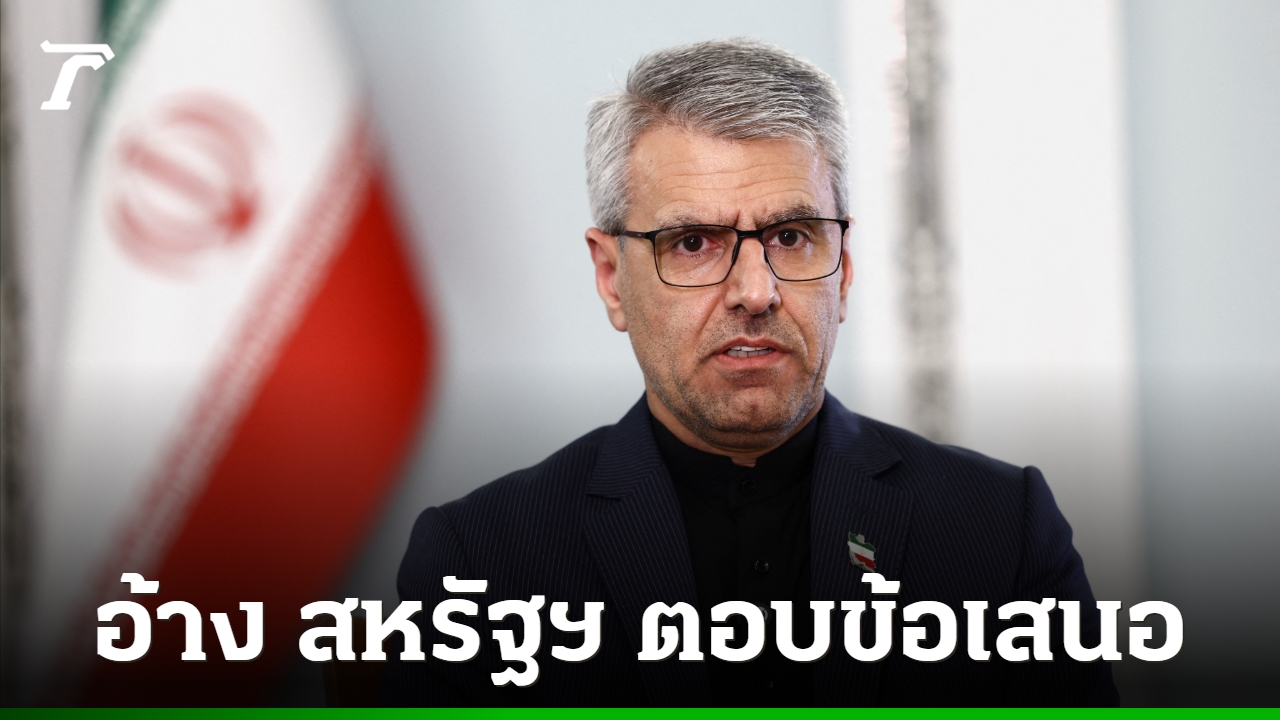
Diplomatic efforts to avert a wider regional conflict intensified this weekend as Iran announced it has received a formal response from the United States regarding its latest proposal to conclude the ongoing war. The announcement, made on Sunday, May 3, 2026, comes amid a volatile period of high-stakes brinkmanship and conflicting signals from Washington and Tehran.
The current diplomatic friction centers on a 14-point proposal submitted by Iran via Pakistan, which was drafted in response to a nine-point U.S. Proposal. Although Tehran is now reviewing the American reply, the atmosphere remains strained. President Donald Trump has expressed significant skepticism about the viability of the Iranian offer, suggesting that the terms may not be sufficient to warrant a ceasefire.
The stakes are exceptionally high, with both nations weighing the possibility of renewed military action. A senior Iranian military officer warned on May 2 that further fighting between the U.S. And Iran was likely
, a statement that followed President Trump’s public admission that he was not satisfied
with the Iranian negotiating framework. This tension underscores the precarious nature of the current negotiations, where a single miscalculation could trigger a significant escalation in the Middle East.
The Terms of the Iranian Proposal
Details emerging from the negotiations indicate that Iran’s primary objective is the immediate restoration of maritime stability and the lifting of economic pressures. According to a senior Iranian official, the proposal rejected by President Trump included a commitment to reopen shipping lanes in the Strait of Hormuz and an end to the U.S. Blockade of Iran. NBC News reports that the Iranian plan sought to decouple these immediate security and economic concerns from the more complex negotiations regarding Iran’s nuclear program, suggesting that nuclear talks be deferred to a later date.
This strategy appears designed to create a “cooling off” period by addressing the most immediate triggers of conflict—namely, the blockade and the shipping lanes—before tackling the long-term geopolitical issues that have plagued U.S.-Iran relations for decades. However, this approach has met with resistance in Washington, where the administration has historically insisted that nuclear concessions be a prerequisite for sanctions relief.
Trump’s Stance: ‘A Big Enough Price’
President Donald Trump has maintained a hardline public posture throughout this exchange. In a post on Truth Social, the President stated that while he would review the plan sent by Iran, he found it difficult to imagine the proposal would be acceptable. He argued that Iran had not yet paid a big enough price for what they have done to humanity, and the world, over the last 47 years
. Politico’s coverage of the event highlights this insistence on “payment” or significant concessions as a central pillar of Trump’s negotiating strategy.
The President’s rhetoric has remained dual-tracked, offering a window for diplomacy while simultaneously threatening military escalation. Speaking to reporters at Palm Beach International Airport on May 2, 2026, Trump noted that he was waiting for the exact wording of the deal but warned of the possibility of restarting strikes on Iran if the government in Tehran misbehaves
. CNBC reported that this “carrot and stick” approach is intended to pressure Tehran into offering more substantial concessions.
Key Elements of the Diplomatic Exchange
| Feature | Iranian Proposal (14 Points) | U.S. Position (9 Points) |
|---|---|---|
| Primary Goal | End blockade; reopen Strait of Hormuz | Significant “price” for past actions |
| Nuclear Issue | Defer talks to a later date | Central to any comprehensive deal |
| Channel | Submitted via Pakistan | Direct review by the Presidency |
| Current Status | Reviewing U.S. Response (as of May 3) | Expressed dissatisfaction/skepticism |
Geopolitical Implications and the Path Forward
The current impasse is not merely a bilateral dispute but a flashpoint for global energy security. The Strait of Hormuz remains one of the world’s most critical oil transit chokepoints; any prolonged conflict or blockade in the region could lead to severe disruptions in global oil supplies and a subsequent spike in energy prices.

the involvement of third-party intermediaries, such as Pakistan, indicates that both nations are seeking a face-saving mechanism to reach an agreement without appearing to succumb to the other’s pressure. However, the internal dynamics of both governments play a role. President Trump has specifically cited Iran’s fractured
leadership as a reason for his skepticism regarding the durability of any deal reached with Tehran. AP News reported that Trump believes the lack of a unified front in Tehran makes the current proposals less credible.
For the international community, the primary concern is whether these “concept deals” can be translated into a formal ceasefire. The war, now entering its third month, has already created significant instability. The shift toward discussing the reopening of the Strait of Hormuz suggests that both sides recognize the economic unsustainability of a prolonged maritime conflict.
What Happens Next?
The immediate focus now shifts to Tehran, where officials are analyzing the U.S. Response. The Iranian government must decide whether to refine its 14-point plan to meet Trump’s demands for a higher “price” or to maintain its current position and risk a return to active hostilities.
There is no scheduled public hearing or official deadline for a response, but the window for diplomacy is narrowing. The next critical checkpoint will be the official statement from the Iranian Foreign Ministry or the Office of the President regarding their assessment of the U.S. Response.
World Today Journal will continue to monitor this developing story. We invite our readers to share their perspectives on the current diplomatic efforts in the comments section below.
- Cloud VPS Hosting in India: Why Latency and Data Residency Should Drive Your Decision
- 10-Day Weather Forecast for Irving, Texas
- Trump says US being ‘invaded by filthy air’ as he threatens Canada with tariffs over wildfires (archyworldys.com)
- Trump Calls 2026 World Cup the Biggest Sporting Event Ever (world-today-news.com)