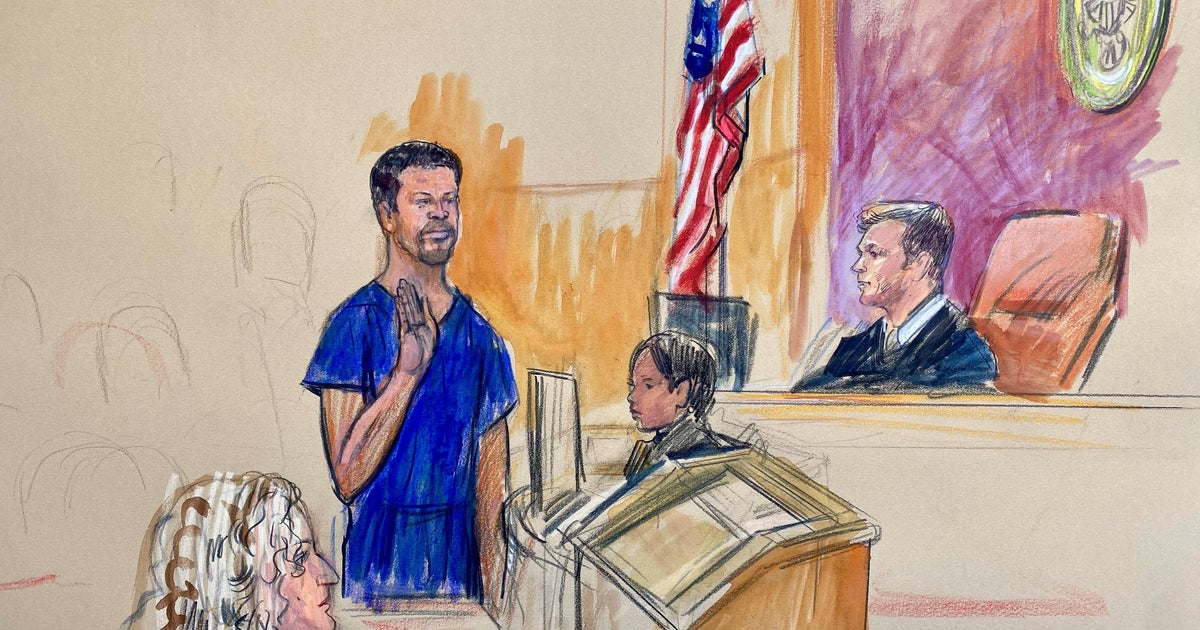
Cole Allen, the suspect accused of carrying out a shooting during the White House Correspondents’ Dinner, has been removed from suicide watch while held in federal custody. The transition follows a series of legal challenges from Allen’s defense team, who argued that the restrictive safety measures imposed by the jail had crossed the line from protective precautions into punitive conditions.
The shift in Allen’s housing status was confirmed through jail records and statements from his legal representatives. For weeks, the suspect had been subjected to intensive monitoring and limited access to personal belongings—standard protocols for inmates deemed a risk to themselves—but his attorneys successfully petitioned for these restrictions to be lifted, citing a stabilization in his mental state.
The proceedings highlight the ongoing tension between institutional safety mandates and the rights of the accused in high-profile federal cases. As the Department of Justice continues its prosecution of the Department of Justice case against Allen, the focus has temporarily shifted from the violence of the attack to the conditions of his confinement.
Legal Challenges to Jail Conditions
The move off suicide watch comes after Allen’s attorneys filed motions arguing that the suspect was being subjected to punishment
under the guise of safety. In federal detention, suicide watch typically involves constant observation, the removal of clothing with drawstrings, and restricted access to bedding or reading materials to prevent self-harm.
Defense lawyers contended that these measures were no longer medically necessary and were instead serving as an unauthorized form of pretrial punishment. By challenging the necessity of the precautions, the defense sought to improve Allen’s mental well-being and ensure he is fit to participate in his own legal defense as the trial date approaches.
“The conditions under which Mr. Allen was held were excessively restrictive and ceased to be purely protective.” Defense Counsel for Cole Allen
The removal of these restrictions allows Allen more autonomy within his cell and reduces the frequency of intrusive checks by correctional officers. While the jail has not released a detailed medical report, the update in his status indicates that mental health professionals have determined he no longer poses an immediate risk of self-harm.
The White House Correspondents’ Dinner Attack
Cole Allen faces severe federal charges stemming from an attack at the White House Correspondents’ Dinner, a high-profile annual event attended by journalists, political figures, and administration officials. The shooting disrupted one of the most secure social events in Washington, D.C., prompting an immediate and massive security response.

Following the incident, federal authorities launched an extensive investigation into the motive behind the attack and whether Allen acted alone or in coordination with others. The Federal Bureau of Investigation took the lead in gathering evidence from the scene, including surveillance footage and forensic data from the weapon used in the shooting.
The attack sent shockwaves through the press corps and the political establishment, raising questions about the vulnerability of high-profile gatherings even under heavy Secret Service protection. The prosecution’s case relies heavily on the evidence collected in the immediate aftermath of the shooting, as well as Allen’s movements leading up to the event.
The DOJ Prosecution and Federal Strategy
The Department of Justice is pursuing a rigorous prosecution of Cole Allen, focusing on the gravity of the attack and the potential threat posed to public officials and members of the media. Prosecutors have emphasized the premeditated nature of the act, arguing that the suspect intentionally targeted a gathering of the free press.
However, the defense has signaled that mental health will play a central role in their strategy. By highlighting the necessity of suicide watch and the subsequent fight to have it removed, the defense is building a narrative around Allen’s psychological instability at the time of the crime and during his incarceration.
Legal analysts suggest that the DOJ may face challenges in explaining the specific handling of Allen’s detention if the defense can prove that the government’s treatment of the suspect was erratic or overly harsh. The balance between securing a dangerous suspect and adhering to constitutional protections against cruel and unusual punishment remains a focal point of the pretrial motions.
Understanding Suicide Precautions in Federal Jail
To provide context for the global audience, suicide precautions in the United States federal prison system are designed to mitigate risk but often result in extreme isolation. Inmates on watch are typically placed in a specialized cell and may be required to wear “suicide smocks”—stiff, tear-resistant garments that cannot be used as ligatures.
While these measures are intended to save lives, human rights advocates and legal experts often argue that prolonged isolation and the stripping of personal agency can exacerbate the very mental health crises they are meant to manage. For a defendant like Cole Allen, the transition off this watch is not merely a logistical change but a significant shift in his daily psychological environment.
What Happens Next
The removal of suicide precautions is a preliminary step in a much longer legal process. Cole Allen remains in federal custody without bond, as the court has previously deemed him a flight risk and a danger to the community.
The next critical phase of the case will involve the discovery process, where the defense will gain access to the full body of evidence held by the government. This will include any psychiatric evaluations conducted by the jail and the DOJ’s evidence regarding the planning of the shooting.
| Event | Status/Detail |
|---|---|
| Attack at Press Gala | Suspect apprehended at the scene |
| Initial Detention | Placed on immediate suicide watch |
| Defense Motion | Petition filed to lift restrictive precautions |
| Current Status | Removed from suicide watch per jail records |
The court is expected to hold further hearings to determine the timeline for the trial and to address any outstanding motions regarding the suspect’s mental competency. The outcome of these hearings will determine whether Allen can stand trial or if further psychiatric intervention is required.
We will continue to monitor the court filings and official statements from the Department of Justice as this case progresses. Readers are encouraged to share this report and leave their thoughts on the balance of prisoner safety and rights in the comments section below.
- Violent Storms Across France: Fatalities, Power Outages, and Widespread Damage Reported
- Exclusive | OMG 2: Amit Rai questions Paresh Rawal’s claims of not getting credit for film’s idea: Kis aadhaar pe…?
- Sen. Mark Warner Discusses Trump’s Speech With CBS News (news-usa.today)
- Maine Protests ICE Shooting: Global News Podcast Headlines (archyde.com)