
A medical emergency is unfolding in the Atlantic Ocean as a cruise ship, having departed from Argentina, reports a deadly outbreak of hantavirus. According to multiple reports, at least three passengers have died and several others remain gravely ill as the vessel makes its way toward the Canary Islands.
The situation has raised immediate concerns among health authorities regarding the containment of the virus in a confined environment. While hantavirus is typically associated with rural settings and rodent exposure, the occurrence of a cluster of severe cases on a luxury liner represents a highly unusual epidemiological event.
The vessel is currently navigating the Atlantic, with an expected arrival in the Canary Islands within the coming days. Health officials in the destination region are reportedly preparing for the ship’s arrival to ensure that infected passengers receive immediate critical care and that the outbreak does not spread to the local population.
Timeline of the Atlantic Outbreak
The cruise departed from Argentina, a region where certain strains of hantavirus are endemic. While the specific itinerary and the exact moment the first symptoms appeared are still being clarified, reports indicate that the illness progressed rapidly among a small group of passengers, leading to three confirmed fatalities according to reporting from BBC.
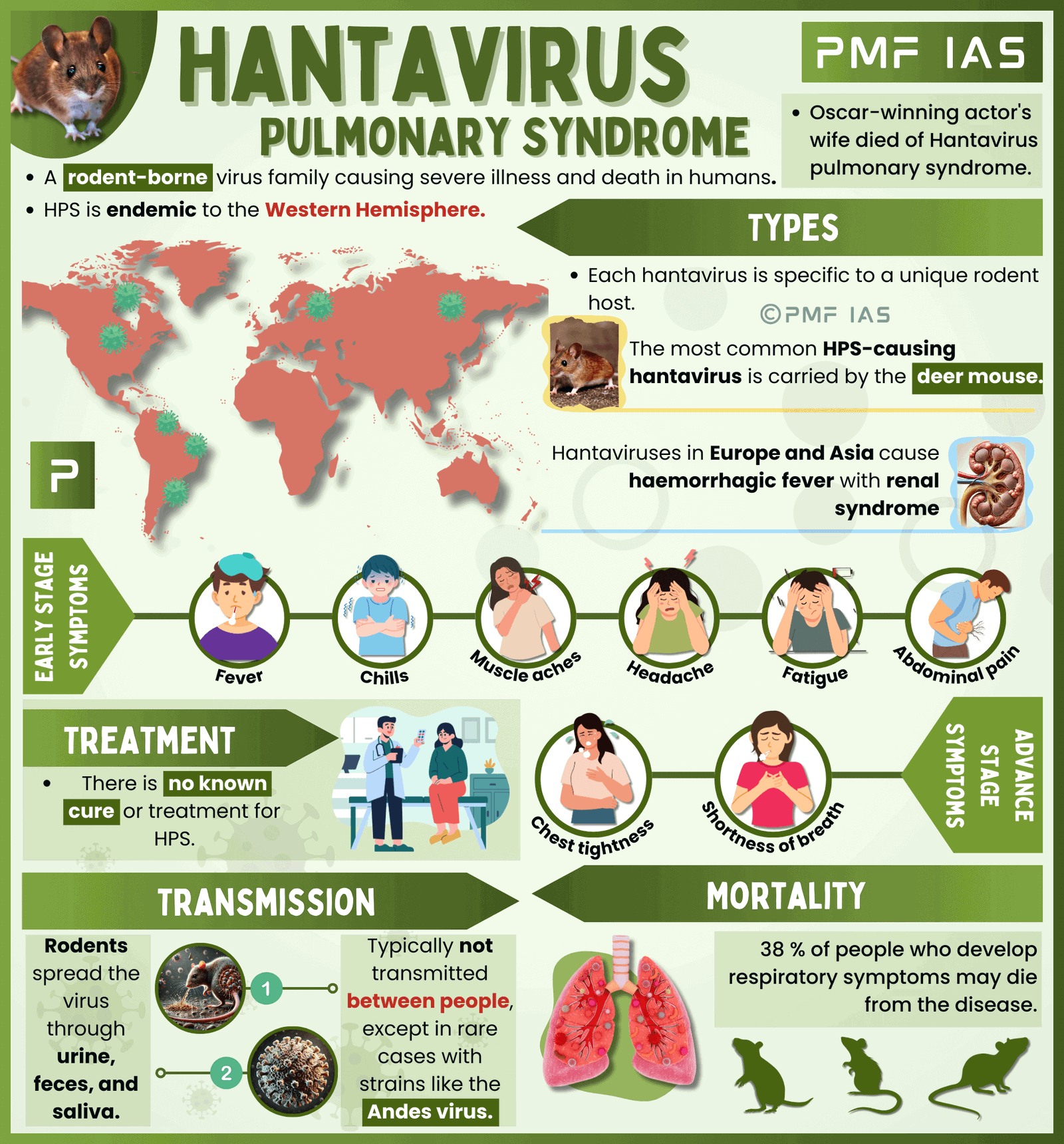
The rapid onset of respiratory distress among the affected individuals prompted the ship’s medical staff to implement emergency protocols. Because the symptoms of hantavirus can mimic those of severe influenza or COVID-19 in their early stages, the diagnosis is critical for implementing the correct supportive care, which typically requires intensive care unit (ICU) admission and mechanical ventilation.
What is Hantavirus?
Hantavirus is a family of viruses primarily transmitted to humans through contact with the urine, feces, or saliva of infected rodents. In the Americas, the most common manifestation is Hantavirus Pulmonary Syndrome (HPS), a severe respiratory disease that can lead to rapid lung failure.

According to the Centers for Disease Control and Prevention (CDC), the virus typically enters the body when aerosolized droppings are inhaled. The incubation period can vary, but once the pulmonary phase begins, the decline in oxygen levels can be precipitous, often requiring immediate hospitalization to survive.
The Andes Virus and Person-to-Person Transmission
A critical detail in this specific outbreak is the ship’s origin in Argentina. In most parts of the world, hantavirus is not contagious between humans. Though, the Andes virus strain, prevalent in southern South America, is a notable exception.
Medical literature indicates that the Andes virus has been documented to spread from person to person, typically through close contact. This characteristic makes an outbreak on a cruise ship significantly more dangerous than a typical rural infection, as the close quarters of cabins and shared common areas could potentially facilitate the spread of the virus among passengers and crew.
Containment and Health Protocols
The management of a zoonotic outbreak at sea presents unique challenges. The primary goal for the crew is currently the isolation of symptomatic individuals and the monitoring of those who may have been exposed. Onboard medical teams are tasked with stabilizing the severely ill while coordinating with shore-side authorities for emergency evacuations or specialized care upon docking.
Public health experts emphasize that the priority upon the ship’s arrival in the Canary Islands will be a rigorous screening process. This includes the identification of all “close contacts” of the deceased and the ill to prevent any secondary transmission chains on land.
Preventing Zoonotic Spread
While the source of the infection on this specific vessel has not been officially confirmed, hantavirus outbreaks are generally prevented through strict rodent control and environmental hygiene. In maritime settings, this involves ensuring that food storage areas and ventilation systems are sealed against pests.
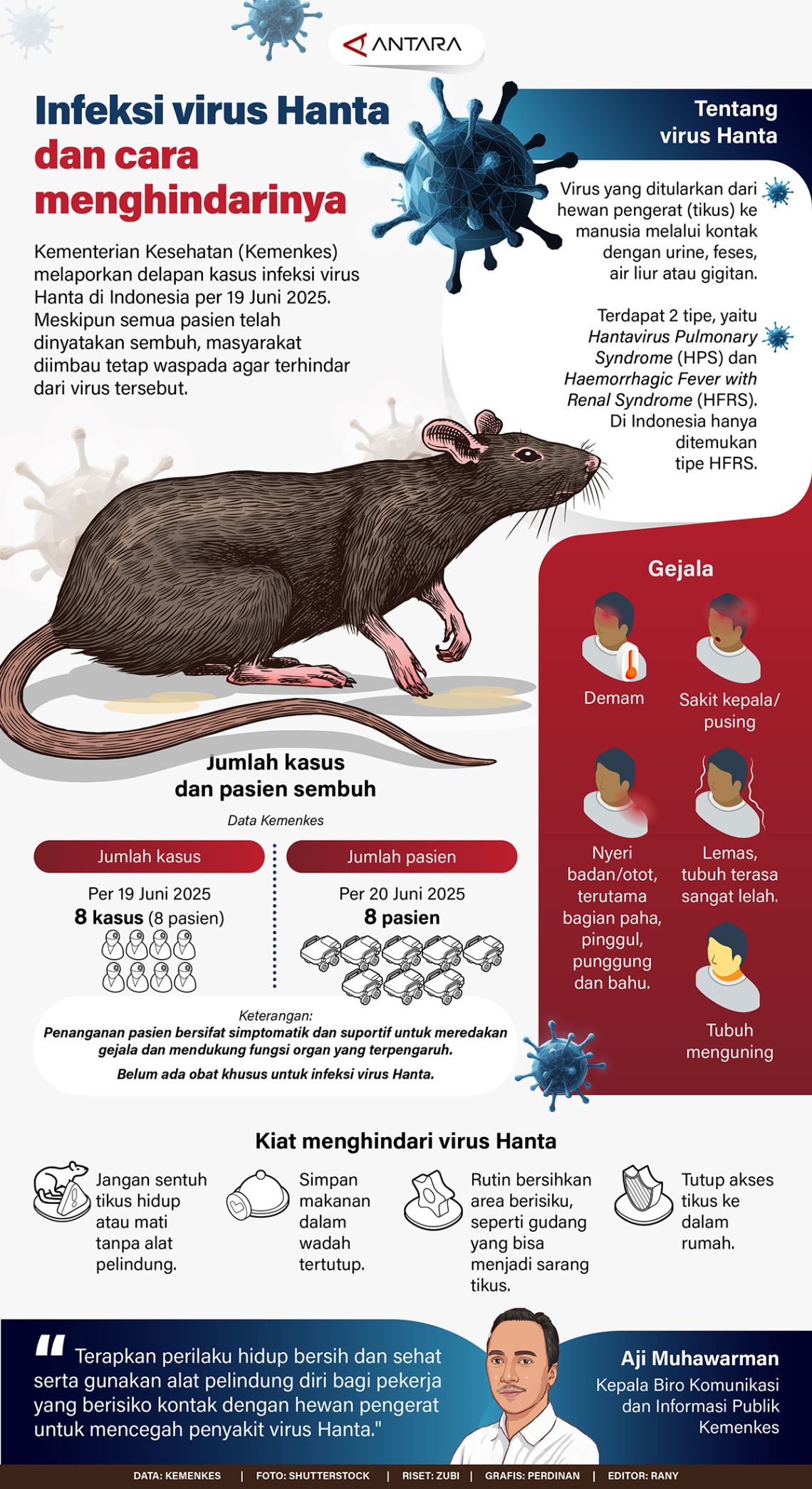
For travelers and the general public, health organizations recommend the following precautions in areas where hantavirus is endemic:
- Avoid disturbing rodent nests or areas where rodents may have traveled.
- Utilize disinfectants or bleach solutions when cleaning potentially contaminated areas to prevent the virus from becoming airborne.
- Ensure proper ventilation in enclosed spaces before cleaning.
- Seek immediate medical attention if flu-like symptoms are accompanied by shortness of breath.
Key Takeaways for Travelers
| Detail | Current Status |
|---|---|
| Confirmed Deaths | 3 passengers |
| Origin | Argentina |
| Destination | Canary Islands |
| Primary Risk | Andes virus (potential person-to-person spread) |
| Critical Symptom | Severe respiratory distress/Pulmonary failure |
The international community is closely monitoring the arrival of the vessel. The next confirmed checkpoint will be the official health report issued by the Canary Islands health authorities once the ship docks and the passengers are screened. This report will likely clarify the total number of infections and whether the outbreak has been successfully contained.
World Today Journal will continue to provide updates as official medical reports are released. We invite our readers to share this story and leave their comments below regarding cruise ship health safety protocols.
Related reading
- Colombia Earthquake Death Toll Rises as Rescue Operations Continue
- Australia Bowled Out for 198 as Bangladesh Dominate Day 1 of First Test in Darwin
- Why Some Gift Cards Never Expire and Others Quietly Do (daybreakwire.com)
- Deadly Houthi Red Sea Attack: 3 Crew Members Killed on Cargo Ship (archyworldys.com)