
In the world of live performance, there is a silent contract between the artist and the audience: the performer provides the vision, and the spectators provide their attention. For most of his career, Dutch comedian Hans Teeuwen has been the one disrupting that contract, using absurdity, provocation, and unpredictable aggression to keep his audiences on edge. Still, during a recent performance in Breda, the roles reversed, and the provocateur became the disciplinarian.
The incident marked a significant departure from Teeuwen’s established stage persona. For the first time in his professional career, the 59-year-old performer took the drastic step of ejecting audience members from the venue. The catalyst was not a political disagreement or a clash of ideologies, but a breach of basic theater etiquette: talking during the show. The confrontation escalated quickly, turning a moment of comedy into a stern lesson on respect for the craft.
The ejection of two men from the hall has sparked a wider conversation about the boundaries of audience behavior in the modern era. While Teeuwen is renowned for his willingness to push boundaries and invite chaos, this specific event highlights a threshold that even the most daring artists will not cross. The incident serves as a reminder that while comedy often targets the status quo, the sanctity of the performance space remains paramount.
The Confrontation in Breda
The tension peaked when Teeuwen noticed two men in the audience engaging in persistent conversation, disrupting the flow of his set. Known for his sharp instincts and ability to read a room, Teeuwen stopped his routine to address the disruption directly. The interaction was not a playful ribbing, as is common in many stand-up sets, but a direct order for silence.
Witnesses and reports from the event indicate that Teeuwen demanded the men stop talking, using the phrase Snaveltje toe
, which translates literally to beak closed
or colloquially to shut it
. When the disruption continued or the response was deemed insufficient, Teeuwen reached his breaking point. He explicitly informed the pair that they were no longer welcome in the theater, telling them Wegwezen!
, or Get out!
The most telling moment of the exchange was Teeuwen’s justification for the ejection. In a rare moment of genuine frustration that transcended his comedic act, he declared that he would not tolerate the behavior.
“Dit hoef ik niet te pikken!” Hans Teeuwen, Comedian
This phrase, meaning I don’t have to put up with this!
, signaled a shift from the character Teeuwen often portrays to the professional artist defending his work.
The two men were subsequently escorted from the premises. For an artist who has spent decades playing the role of the agitator, the act of removing people for being too disruptive is a paradoxical turn. It underscores a fundamental truth in the performing arts: the artist’s right to be heard outweighs the audience’s right to converse during a paid performance.
The Evolution of a Provocateur
To understand why this event is being treated as a milestone in Hans Teeuwen’s career, one must understand his position within the Dutch cultural landscape. Teeuwen is a pillar of Dutch cabaret, a genre that blends comedy, music, and theater, often with a strong satirical or political edge. Unlike traditional stand-up, cabaret frequently involves a conceptual narrative or a persona that challenges the audience’s perceptions.
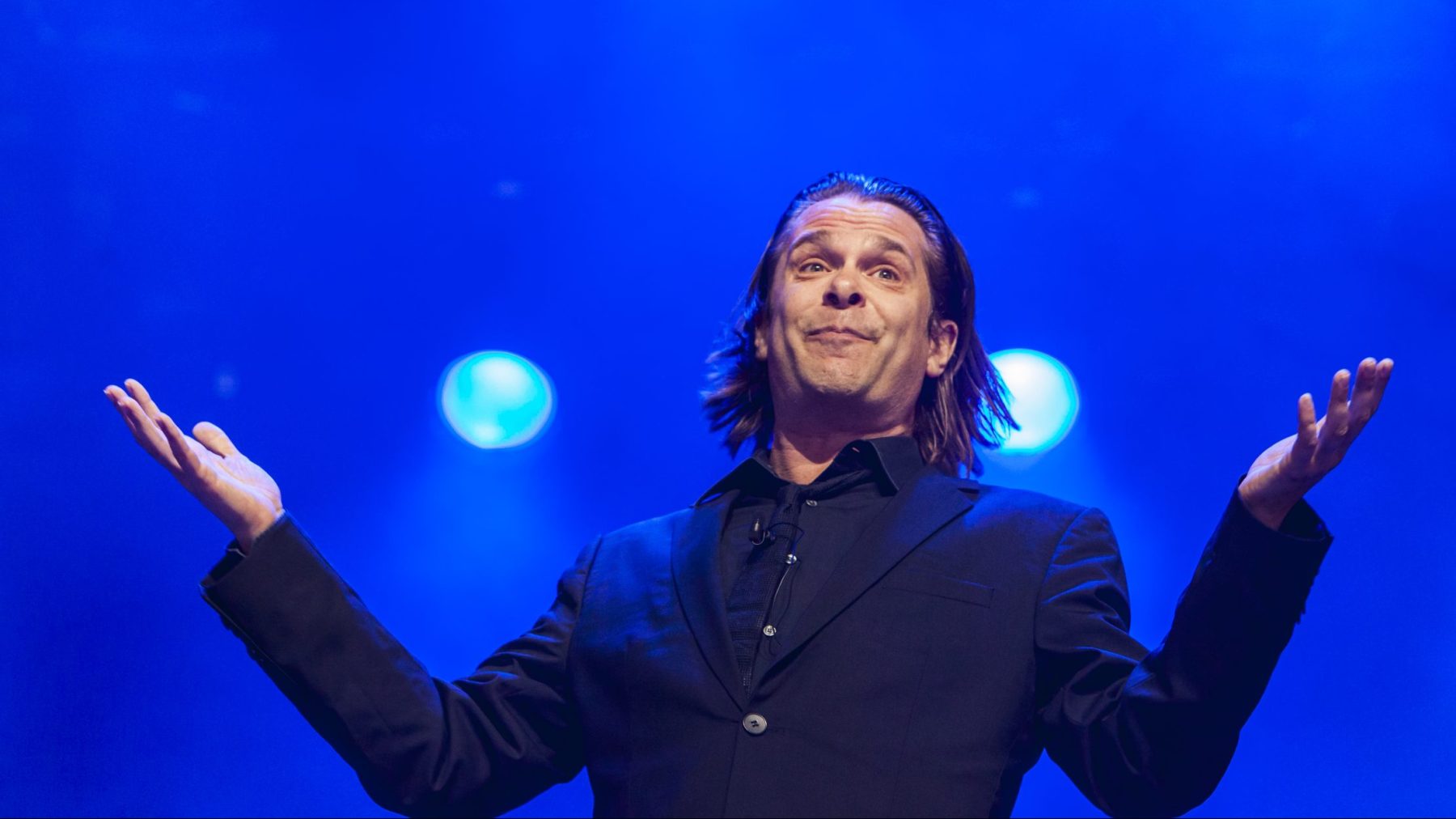
Throughout his trajectory, Teeuwen has built a reputation as one of the most controversial figures in the Netherlands. His work often involves simulated outbursts, extreme personas, and the deliberate use of taboo subjects to expose hypocrisy. By design, his shows are often chaotic; he frequently interacts with the crowd in ways that are designed to make them uncomfortable or to provoke a reaction.
Because Teeuwen himself often mimics the behavior of someone losing control or acting irrationally, the act of enforcing strict order is an inversion of his brand. For years, he has been the one “breaking the rules” of the stage. By ejecting audience members, he has transitioned from the agent of chaos to the guardian of the theater’s rules. This shift suggests a growing intolerance for a specific type of modern distraction—the inability of some spectators to remain present and silent during a live event.
The Psychology of the Live Performance Space
The Breda incident reflects a broader trend noted by performers across Europe and North America: a perceived decline in audience etiquette. Since the return to full-capacity live events following the global pandemic, many artists have reported an increase in disruptive behavior, ranging from constant phone usage to audible side-conversations.
In the context of a high-concept show like Teeuwen’s, where timing and silence are as important as the punchlines, a talking audience is more than a nuisance; it is a structural failure of the performance. The “silence” in a theater is a tool that the performer uses to build tension. When that silence is punctured by unrelated chatter, the psychological bridge between the performer and the rest of the audience is broken.
The decision to eject the two men was not merely about the noise, but about the power dynamic of the room. When a performer ignores a disruption, they implicitly signal that the behavior is acceptable, which can lead to a cascade of other audience members talking. By taking a hard line, Teeuwen re-established the hierarchy of the theater, ensuring that the focus returned to the art rather than the distraction.
Impact on the Dutch Comedy Scene
The reaction to Teeuwen’s actions has been largely supportive within the creative community, though it has sparked debate among fans. Some argue that a comedian of his stature should be able to incorporate any disruption into the act, while others maintain that there is a limit to what a professional should endure.
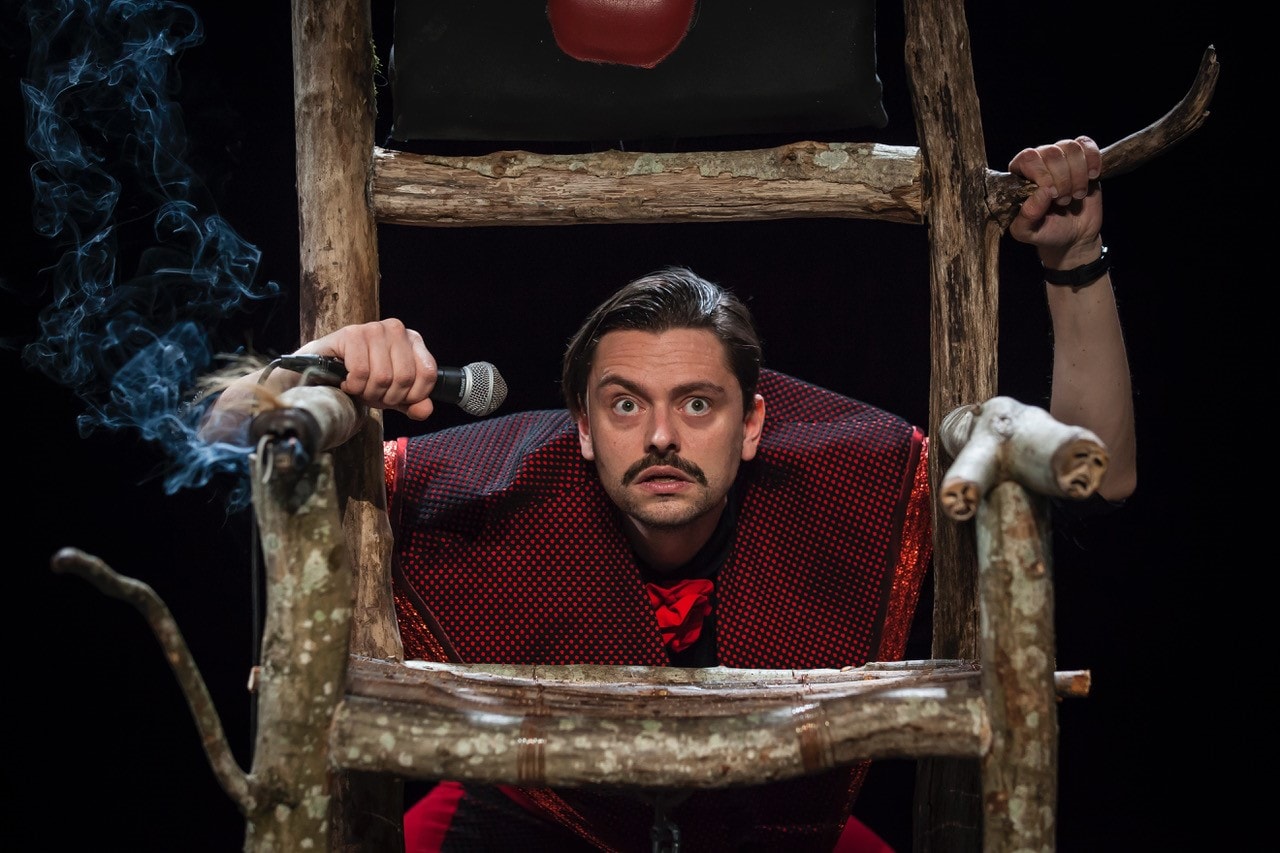
Teeuwen’s age—currently 59—may also play a role in this shift. As artists mature, their relationship with their audience often evolves. The need to constantly shock or provoke can be replaced by a desire for the work to be received with the intended precision. The insistence on Snaveltje toe
may be less about the specific individuals in Breda and more about a veteran artist’s demand for the professional respect he has earned over decades of work.
This event is likely to be cited in future discussions regarding the “right to perform.” In an era of fragmented attention spans, the act of removing a spectator becomes a political statement in itself—a claim that the live experience is a sacred space that requires a specific type of discipline from the participant.
Key Takeaways from the Incident
- Unprecedented Action: This is the first time in his career that Hans Teeuwen has ejected audience members from a show.
- The Cause: The ejection was triggered by two men talking during the performance in Breda.
- The Message: Teeuwen emphasized that professional boundaries must be respected, stating he does not have to put up with such disruptions.
- Cultural Context: The event highlights a tension between the provocative nature of Dutch cabaret and the necessity of basic theater etiquette.
What Happens Next
Hans Teeuwen continues his tour, and while there has been no official statement regarding a change in venue policies, the Breda incident has set a new precedent for his shows. Audience members can expect a high level of artistic provocation, but they are now explicitly warned that the privilege of attending the performance is contingent upon their silence.
There are no further scheduled legal actions or official complaints reported regarding the ejection, as the incident was handled internally by the performer and theater staff. The focus remains on the remaining dates of the tour and how this shift in boundary-setting will affect the energy of future crowds.
We invite our readers to share their thoughts: Should performers have the absolute right to eject disruptive guests, or should the “show must head on” mentality prevail regardless of audience behavior? Let us recognize in the comments below.
Related reading