
Federal Investigation Targets Smith College Over Transgender Admissions: What’s at Stake for Women’s Education?
The U.S. Department of Education announced on May 4, 2026 that This proves launching a Title IX investigation into Smith College, a prestigious women’s liberal arts institution in Northampton, Massachusetts, over its policy of admitting transgender students. The probe marks a significant escalation in the Trump administration’s efforts to reshape higher education policies regarding gender identity, particularly at historically women-only institutions.
Assistant Secretary for Civil Rights Kimberly Richey stated in a department press release that “an all-women’s college loses all meaning if it is admitting biological males,” framing the investigation as a matter of institutional integrity. The move comes as part of a broader crackdown on transgender inclusion in women’s spaces, following similar actions against universities over athletic participation policies.
This investigation forces a reckoning: What is the purpose of women’s colleges in the 21st century? Should they remain exclusive spaces for cisgender women, or must they evolve to serve a broader mission of gender equity? The stakes are high—not just for Smith, but for the 30 remaining women’s colleges in the U.S., which have increasingly faced pressure to adapt to changing societal norms around gender.
Why This Investigation Matters: The Broader Context
Smith College is not alone in this debate. Over the past decade, most women’s colleges in the U.S. Have revised their admissions policies to include transgender students, though approaches vary widely. Some, like Mount Holyoke, have adopted inclusive policies allowing transgender women and nonbinary applicants, while others maintain more restrictive criteria. The investigation raises fundamental questions: Does admitting transgender students undermine the core mission of women’s education? Or does exclusion perpetuate the very gender inequality these institutions were created to combat?
The Trump administration’s focus on transgender students in higher education has largely centered on athletic participation. In 2025, the administration froze $175 million in federal funding to the University of Pennsylvania after the school allowed a transgender swimmer, Lia Thomas, to compete on the women’s team. The funding was later restored after Penn agreed to bar transgender athletes from women’s sports. Similar lawsuits against the University of Maine and San José State University were settled out of court, though investigations into University of Nevada-Reno remain ongoing.
Yet the Smith College case is distinct: It targets admissions policy itself, not sports. This shift signals a broader ideological battle over the definition of “woman” in educational spaces—a debate that has intensified as transgender visibility in higher education has grown.

The History of Women’s Colleges: From Exclusion to Evolution
Women’s colleges emerged in the mid-to-late 1800s as a response to systemic gender exclusion in higher education. Institutions like Smith, Barnard, and Wellesley provided spaces where women could pursue leadership roles without male oversight. Their mission evolved over time—from preparing women for domestic roles post-World War II to advocating for workforce participation in the late 20th century. Today, these colleges face a modern challenge: reconciling their historic purpose with modern understandings of gender identity.

The decline of women’s colleges reflects this tension. In 1960, there were approximately 230 such institutions in the U.S.; by 2023, only 30 remained, as many merged with coeducational schools or admitted men. The shrinking number amplifies the symbolic weight of each admissions decision. For some alumni and donors, admitting transgender students risks diluting the college’s identity. For others, exclusion contradicts the institutions’ founding principles of equity.
Smith College’s own history illustrates this dilemma. In 2013, the college denied admission to a transgender woman after she listed her sex as male on federal financial aid forms, sparking a campus-wide debate. Two years later, Smith adopted a policy allowing anyone who identified as female to apply—a shift that now puts it in the crosshairs of federal scrutiny.
Transgender Students at Women’s Colleges: The Mixed Reality
Research suggests that women’s colleges generally offer higher levels of support for marginalized students, including LGBTQ+ individuals, compared to coeducational institutions. Yet, transgender students report a range of experiences. Some thrive in the close-knit communities these colleges foster, while others face scrutiny over gender markers in records, housing assignments, or restroom access. Institutional policies often assume binary gender categories, creating friction for nonbinary or transgender students.
Critics argue that women’s colleges should remain spaces for cisgender women, citing concerns about safety, privacy, and the preservation of a distinct educational experience. Supporters counter that exclusion perpetuates the very discrimination these institutions were designed to combat. As one scholar of higher education noted, “Women’s colleges were created in response to gender inequality. Their history should push them to remain open and supportive for all students excluded because of gender.”
What Happens Next? The Legal and Institutional Road Ahead
The Title IX investigation into Smith College is expected to examine whether the college’s admissions policy discriminates on the basis of sex, as defined by federal law. If the Department of Education finds violations, Smith could face penalties ranging from policy changes to loss of federal funding—a prospect that would strain its financial stability, given its reliance on tuition and donations.
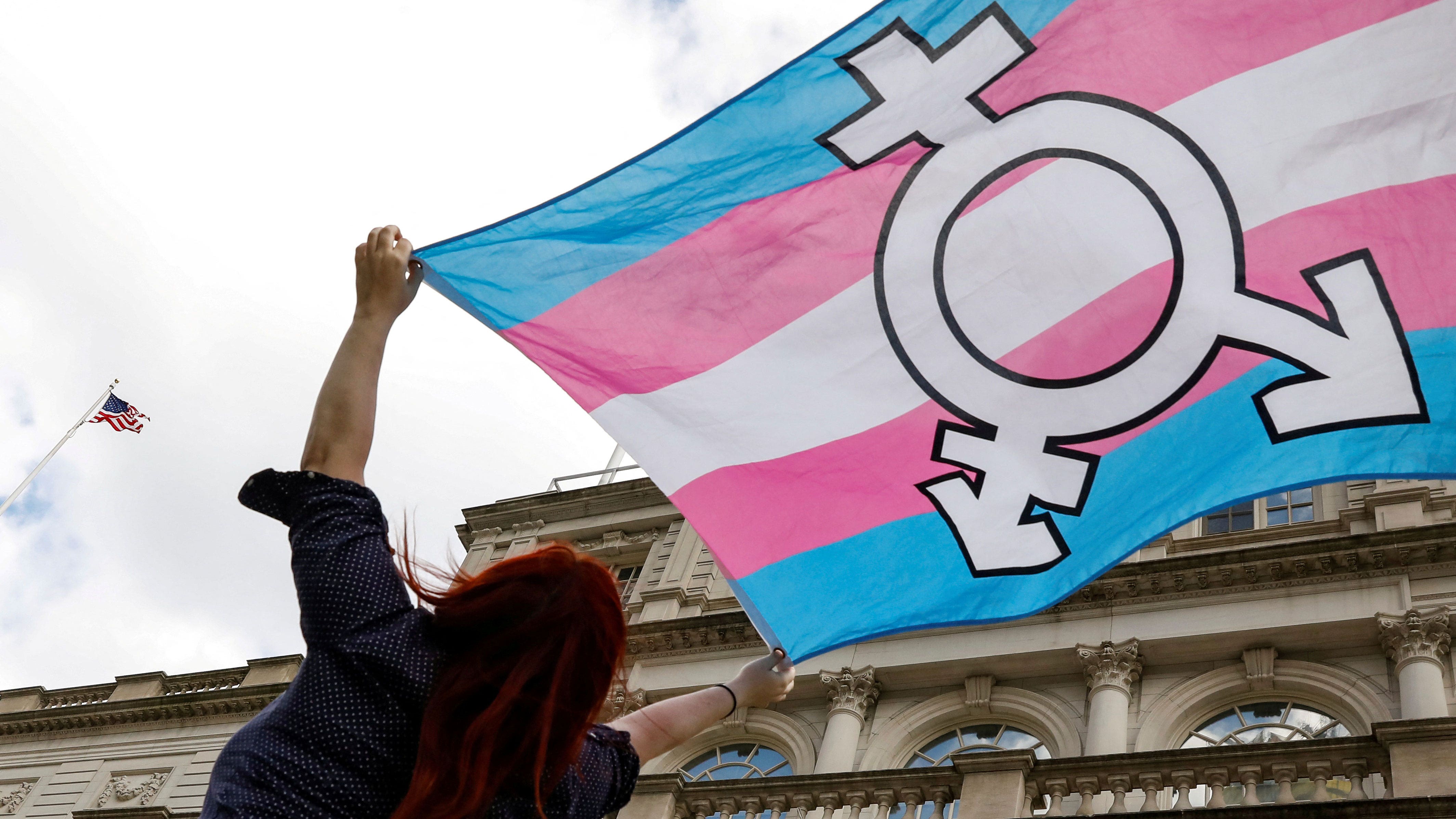
Legal experts anticipate that the case could set a precedent for other women’s colleges, potentially emboldening conservative groups to challenge inclusive admissions policies nationwide. Meanwhile, transgender advocacy organizations are preparing to defend Smith’s right to determine its own student body, framing the issue as one of academic freedom and institutional autonomy.
For now, Smith College has not publicly commented on the investigation. The outcome will hinge on how the Department of Education interprets Title IX in the context of gender identity—a question with no clear answer in current law.
Key Takeaways: What This Means for Students, Alumni, and the Future of Women’s Education
- Legal Precedent: The investigation could redefine how Title IX applies to transgender students in single-sex institutions.
- Institutional Identity: Women’s colleges must balance tradition with evolving definitions of gender inclusion.
- Student Impact: Transgender and nonbinary applicants may face greater uncertainty in admissions processes.
- Broader Implications: The case could influence policies at other women’s colleges, from Bryn Mawr to Spelman.
- Financial Stakes: Federal funding cuts or reputational damage could threaten the viability of private women’s colleges.
Where to Follow Updates
For the latest developments on the Smith College investigation and related Title IX cases, monitor:
- U.S. Department of Education Office for Civil Rights
- Smith College Official Statements
- ACLU Higher Education Litigation
The next critical checkpoint will be the Department of Education’s public determination on the investigation’s findings, which could occur within 6–12 months depending on the scope of the review. In the meantime, stakeholders—from students to alumni—are weighing in on what the future of women’s education should look like.
This story is developing rapidly. Have you experienced or observed these debates firsthand? Share your perspective in the comments or contact our team with insights. For more analysis on higher education policy, subscribe to our newsletter.
Related reading
- El cantante estadounidense Chris Brown se declaró culpable de un cargo de affray por … – Instagram
- Sisa Kuota Internet Itu Tak Lagi Hilang Sia-sia – detikNews
- Kelly Retains IBF Title After Bloody Brawl (time.news)
- Trump Discusses the Speech He Almost Gave Before Assassination Attempt (newsdirectory3.com)