
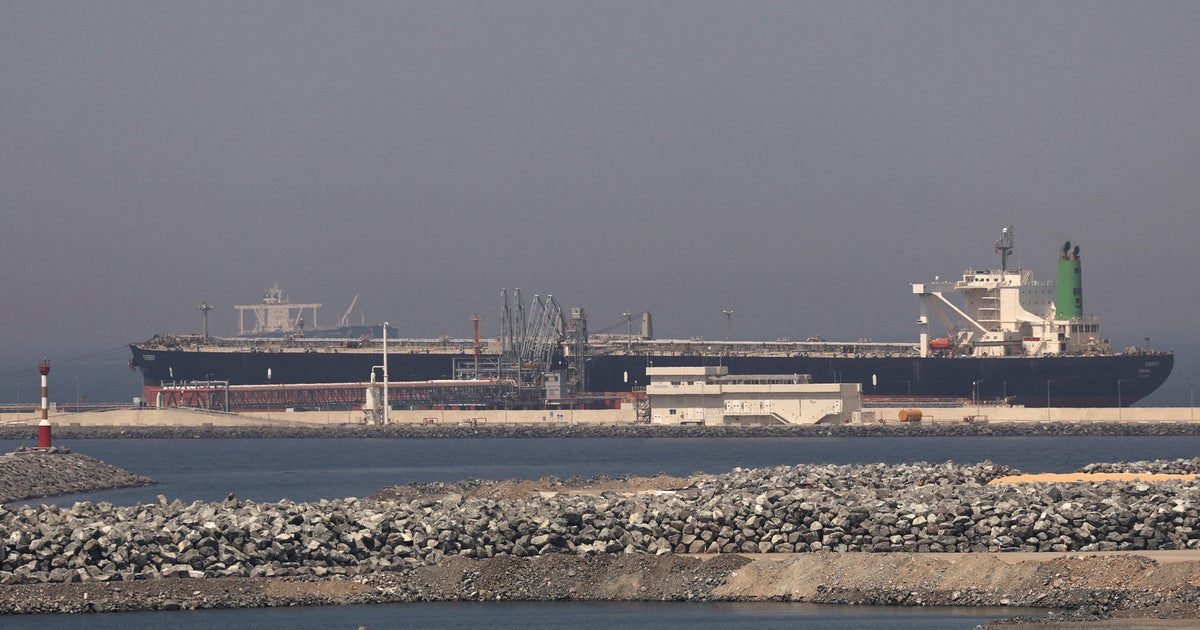
Global tensions remain razor-sharp as U.S. President Donald Trump’s latest diplomatic gambit to end the escalating conflict with Iran unfolds against a backdrop of Tehran’s bold assertion of control over the Strait of Hormuz—one of the world’s most critical maritime chokepoints. With oil prices fluctuating and regional allies watching closely, the stakes could not be higher. Trump’s optimism that Iran will “make a deal” to end the war clashes with Tehran’s recent declaration that it now regulates shipping through the strait, a move that has sent shockwaves through global trade networks and military strategists alike.
This high-stakes diplomatic and military chess match comes as the U.S. Pauses its Project Freedom initiative—a controversial effort to guide commercial vessels through the strait despite Iran’s blockade threats. The pause, announced by Trump, aims to create space for negotiations, though Iran has yet to respond officially. Meanwhile, Israeli Prime Minister Benjamin Netanyahu’s vow to target “anyone threatening Israel” following a recent strike in Beirut underscores the widening scope of the conflict, now entangling Lebanon’s Hezbollah and Iran-backed militias in a dangerous escalation.
The Strait of Hormuz, through which roughly 20% of the world’s oil supply passes daily, has become the flashpoint in a crisis that threatens to disrupt global energy markets and destabilize an already volatile Middle East. With Trump warning of “higher level” military strikes if Iran rejects his latest proposal, the question looms: Can diplomacy outpace the risk of further military confrontation? And what does Iran’s move to assert control over the strait mean for the millions of barrels of oil that traverse its waters every day?
Trump’s Diplomatic Push: A Race Against the Clock
President Trump’s announcement to pause Project Freedom marks a strategic pivot in the U.S. Approach to the Iran conflict. According to a statement from the White House, the initiative—launched just days earlier to escort commercial ships through the Strait of Hormuz—has been placed on hold “for a short period” to allow for final negotiations with Iranian officials. The move follows requests from regional allies, including Pakistan, and comes amid what Trump describes as “tremendous military success” in the campaign against Iran.

Trump’s optimism about a swift resolution to the conflict stands in stark contrast to the reality on the ground. While he has repeatedly stated that the war will be “over quickly” and that progress toward a “complete and final agreement” with Iran is being made, Iranian officials have not yet commented on the U.S. Proposal. The lack of a public response from Tehran adds an air of uncertainty to the diplomatic efforts, leaving markets and military analysts speculating about the next steps.
Economically, the pause in Project Freedom has had immediate effects. Oil prices, which had risen sharply in recent weeks due to fears of a prolonged conflict, saw a brief respite following Trump’s announcement. As of early Thursday, Brent crude and U.S. Benchmark West Texas Intermediate were trading below $100 a barrel—a notable drop from earlier highs. However, analysts warn that this reprieve could be temporary, given the unresolved nature of the conflict and Iran’s assertion of control over the strait.
Iran’s Assertion of Control: A Maritime Power Play
Tehran’s declaration that it now regulates shipping through the Strait of Hormuz represents a dramatic escalation in the conflict. Shipping intelligence firm Lloyd’s List reports that the strait is effectively closed to commercial traffic, with Iran establishing a new agency to clear vessels for transit. This move, if enforced, could have catastrophic consequences for global trade, particularly for nations reliant on Middle Eastern oil exports.

Iran’s justification for this action remains unclear, though it aligns with its broader strategy of leveraging its geographic advantage in the region. The strait’s strategic importance cannot be overstated: it is a narrow waterway connecting the Persian Gulf to the Gulf of Oman and the open ocean. Any disruption to shipping through the strait would send shockwaves through energy markets and supply chains worldwide.
In a statement attributed to Iranian officials, the country has denied that any commercial ships have transited through the strait since the U.S. Launched Project Freedom. This denial contrasts with U.S. Claims that two merchant vessels successfully passed through the waterway as part of the initiative. The discrepancy highlights the deep mistrust between the two nations and the challenges ahead for any diplomatic resolution.
Israeli Escalation: Netanyahu’s Warning to Hezbollah
The conflict’s reach extended further this week with Israeli Prime Minister Benjamin Netanyahu’s vow to target “anyone threatening Israel.” The statement came in response to an Israeli airstrike in Beirut that killed Ahmed Ghaleb Balout, a senior commander in Hezbollah’s elite Radwan Force. Netanyahu described the strike as a preemptive measure to thwart Hezbollah’s alleged plans to “conquer the north” of Israel, claiming that the operation had eliminated over 200 Hezbollah operatives involved in attacks against Israeli citizens and soldiers.
The strike in Beirut’s southern suburb of Haret Hreik marked the first such attack in nearly a month, signaling a potential shift in Israel’s strategy toward Hezbollah. The killing of Balout, who was reportedly involved in coordinating attacks along the Israel-Lebanon border, has further inflamed tensions in the region. Hezbollah, backed by Iran, has not yet responded to the strike, but regional observers warn that the escalation could draw Lebanon deeper into the conflict.
Global Repercussions: Who Stands to Lose the Most?
The Strait of Hormuz crisis is not just a regional issue—its implications ripple across the globe. Here’s how different stakeholders are affected:
- Energy Markets: Any prolonged disruption to shipping through the strait would trigger a surge in oil prices, potentially leading to economic instability in oil-importing nations. The U.S., Europe, and Asia—particularly China and India—are heavily reliant on Middle Eastern oil exports.
- Global Trade: The strait is a critical artery for container shipping, with millions of dollars’ worth of goods passing through daily. A blockade would force ships to take longer, more expensive routes around Africa, increasing costs for businesses and consumers worldwide.
- Regional Allies: Nations like Saudi Arabia, the UAE, and Qatar, which rely on U.S. Security guarantees, face a dilemma: support Washington’s efforts to maintain freedom of navigation or risk alienating Iran. Pakistan’s role in requesting the pause in Project Freedom underscores the complex web of alliances in the region.
- Humanitarian Impact: The conflict’s spillover into Lebanon and Syria threatens to displace thousands of civilians, exacerbating an already dire refugee crisis. Humanitarian organizations are bracing for a potential surge in cross-border movements.
What Happens Next? Key Developments to Watch
The next few days will be critical in determining whether diplomacy can prevail over military escalation. Here are the key checkpoints:

- Iran’s Response: Tehran’s official reaction to Trump’s proposal and the pause in Project Freedom will be closely watched. Any indication of willingness to negotiate—or further escalation—will shape market reactions and military postures.
- Oil Market Reactions: Traders and analysts will monitor Brent crude and WTI prices for signs of stability or renewed volatility. A sustained drop below $100 could signal confidence in a diplomatic resolution, while a spike would indicate growing fears of conflict.
- Israeli-Hezbollah Dynamics: Netanyahu’s threat to target Hezbollah operatives suggests a possible shift in Israel’s strategy. Observers will track whether Hezbollah retaliates and how Iran responds to the killing of Balout.
- Project Freedom’s Future: If negotiations stall, the U.S. May revive its initiative to escort ships through the strait, risking direct confrontation with Iranian forces. The success or failure of this effort could hinge on international support.
Expert Analysis: Can Diplomacy Still Work?
Dr. Elena Vasileva, a senior fellow at the Sofia-based Institute for Middle Eastern Studies, argues that the current stalemate reflects a broader pattern of miscommunication between Washington and Tehran. “Both sides have incentives to de-escalate, but the lack of trust makes meaningful negotiations nearly impossible without a third-party mediator,” she told World Today Journal. “The pause in Project Freedom is a tactical move, but it won’t resolve the underlying issues unless Iran sees tangible concessions from the U.S.”
Meanwhile, military analysts warn that the conflict’s expansion into Lebanon and the Strait of Hormuz could trigger unintended consequences. “The risk of a regional war is real, but neither side wants to be seen as the aggressor,” says retired U.S. Navy Admiral James Carter. “The challenge is to create a face-saving exit for both Trump and Iranian leaders before the situation spirals further out of control.”
Key Takeaways
- Diplomatic Pause: The U.S. Has paused Project Freedom to allow for negotiations with Iran, though Tehran has not yet responded.
- Strait of Hormuz Blockade: Iran claims control over shipping through the strait, a move that could disrupt global oil supplies and trade.
- Israeli Escalation: Netanyahu’s strike in Beirut targeting a Hezbollah commander signals a potential shift in Israel’s strategy toward the militia.
- Economic Impact: Oil prices have dipped slightly but remain volatile, with markets awaiting further developments.
- Regional Tensions: The conflict’s expansion into Lebanon and the Strait of Hormuz threatens to draw in additional actors, increasing the risk of broader regional instability.
- Next Steps: Iran’s response to the U.S. Proposal, oil market reactions, and the Israeli-Hezbollah dynamic will be critical in the coming days.
The world watches as the clock ticks toward a potential breakthrough—or further escalation. With the Strait of Hormuz at the heart of the crisis and global markets on edge, the next official updates from the White House, Iranian officials, and international energy agencies will be essential. Stay tuned for further developments as this story unfolds.
What do you think about the latest developments in the Iran conflict? Share your thoughts in the comments below or share this article to keep others informed.