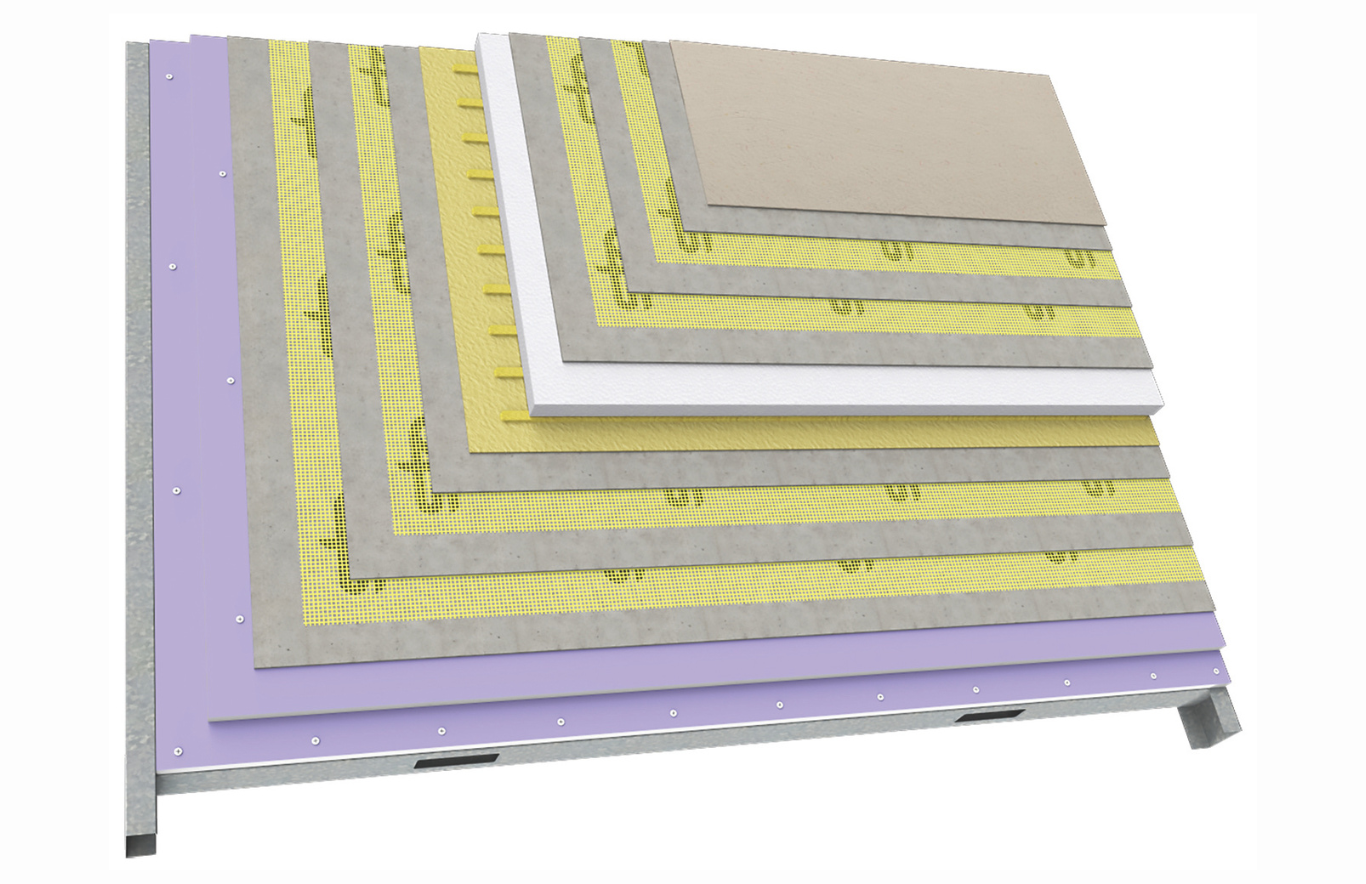
Level E Impact-Rated Wall Assemblies: The New Standard for Extreme Weather Protection
In an era where climate-related disasters are becoming more frequent and intense, building resilience has never been more critical. Among the most significant advancements in storm protection technology are Level E impact-rated wall assemblies, now being deployed in high-velocity hurricane zones and other multi-hazard regions. These engineered systems represent the highest tier of impact resistance available, offering unparalleled protection for essential facilities that must remain operational during and after catastrophic events.
While the concept of impact-rated walls has existed for years—particularly in Florida’s High Velocity Hurricane Zones (HVHZ)—the introduction of Level E assemblies marks a substantial leap forward. Unlike previous standards that focused primarily on wind load and debris impact, Level E systems are designed to withstand Florida Building Code requirements for extreme conditions, including tornado-force winds, wind-driven rain, and repeated hail impacts. Their adoption is particularly vital for structures where human life and emergency response capabilities are at stake, such as hospitals, police stations, and fire departments.
But what exactly does Level E protection entail, and why are these systems gaining traction in regions beyond Florida? To answer these questions, we examined the latest engineering standards, regulatory approvals, and real-world applications of these advanced wall assemblies.
What Makes Level E Impact-Rated Walls Different?
Impact-rated wall assemblies are classified by levels (D, E, F) based on their ability to resist projectile impacts and maintain structural integrity. While Level D systems—common in many hurricane-prone areas—are designed to withstand a 9-pound 2×4 wood member traveling at 34 mph, Level E systems elevate the standard significantly:
- Enhanced projectile resistance: Tested against a 9-pound 2×4 at higher velocities (typically 50+ mph), simulating extreme debris conditions.
- Multi-hazard performance: Engineered to resist tornado-force winds, wind-driven rain penetration, and repeated hail impacts without compromising air or water tightness.
- Structural redundancy: Incorporate layered materials and reinforced connections to prevent progressive failure, ensuring the wall remains intact even if individual components are damaged.
- Regulatory compliance: Certified under Florida Building Code Chapter 16, with Miami-Dade County Notice of Acceptance (NOA) and Florida Statewide Product Approval where applicable.
These systems are not limited to coastal regions. While Florida’s HVHZ designation (encompassing areas like Miami-Dade and Monroe counties) drives much of the demand, Level E walls are increasingly specified in:
- Tornado-prone states (e.g., Oklahoma, Kansas, Texas)
- Wildfire-risk zones requiring both fire resistance and impact protection
- Urban areas with dense construction where debris impact is a concern
Who Benefits Most from Level E Protection?
The primary beneficiaries of Level E impact-rated walls are critical infrastructure facilities where operational continuity during disasters can save lives. Key examples include:
- Healthcare facilities: Hospitals and clinics must remain functional during storms to treat injured patients and maintain life-support systems. A single breach in a Level E wall can prevent water intrusion that might disable electrical systems.
- Emergency services: Police stations, fire departments, and emergency operations centers require secure environments to coordinate response efforts without interruption.
- Government buildings: Courthouses, municipal buildings, and data centers housing critical records need protection against both natural and man-made threats.
- Residential and commercial high-rises: In dense urban areas, even non-essential buildings benefit from reduced liability risks and property damage during extreme weather.
Beyond physical protection, Level E systems offer long-term cost savings. While the initial investment is higher than conventional walls, their ability to:
- Prevent structural failure and costly repairs
- Reduce insurance premiums in high-risk zones
- Minimize downtime for essential services
makes them a prudent choice for risk-averse property owners.
Regulatory Landscape: Standards and Approvals
The adoption of Level E impact-rated walls is closely tied to evolving building codes and regulatory frameworks. Key standards include:

- Florida Building Code (FBC) Chapter 16: The gold standard for hurricane-resistant construction, with mandatory impact resistance requirements in HVHZs since 2021. Level E systems exceed these baseline requirements.
- International Code Council (ICC) Evaluation Service: Provides third-party certification for wall assemblies, ensuring compliance with national building codes beyond Florida.
- FEMA P-361: The FEMA Safe Room Construction Guide references impact-rated walls as essential components for storm shelters, often specifying Level E or higher for maximum protection.
While Florida leads in adoption, other regions are following suit. For example:
Texas: After devastating hurricanes like Harvey (2017) and Imelda (2019), the state has proposed stricter impact resistance standards for coastal construction, with Level E systems gaining traction in Galveston and Corpus Christi.
Real-World Applications and Case Studies
Several high-profile projects demonstrate the effectiveness of Level E impact-rated walls:
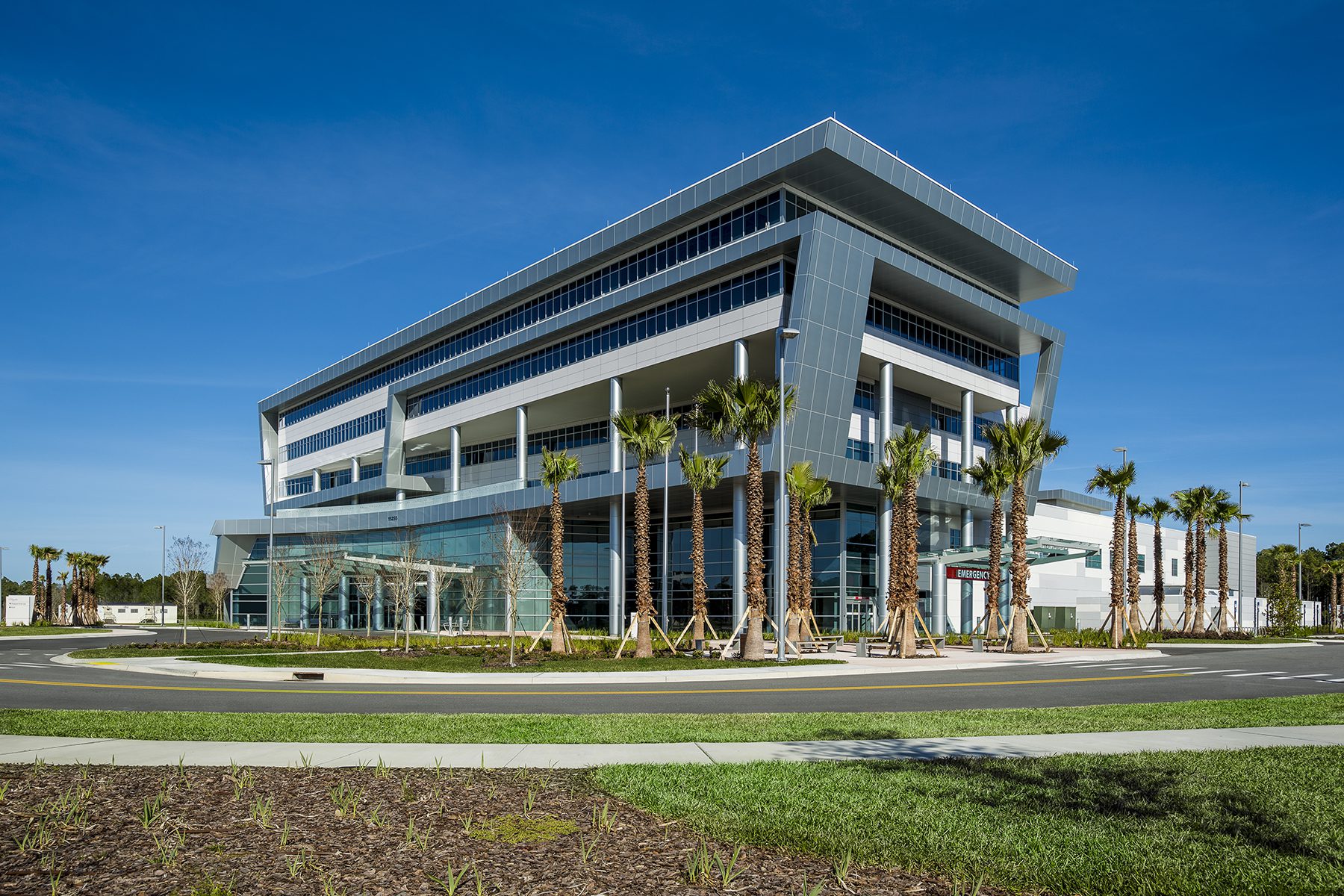
- Jackson Memorial Hospital (Miami, FL): Following Hurricane Irma (2017), the hospital upgraded its exterior walls to Level E assemblies, ensuring uninterrupted care during subsequent storms. Post-storm assessments confirmed the walls maintained structural integrity despite direct hurricane impacts.
- Dallas Police Headquarters (TX): The facility incorporated Level E walls in its 2023 expansion, citing the need to protect emergency communications infrastructure from tornado debris. City officials reported no damage to the walls during the 2024 tornado outbreak.
- Private Sector Adoption: Companies like Sto Corp. (a leader in building envelope solutions) have expanded their High Velocity Hurricane Zone (HVHZ) Systems to include Level E options, targeting both new construction and retrofits. Their systems are now specified in projects across the southeastern U.S. And Gulf Coast.
What’s Next for Impact-Rated Wall Technology?
The future of Level E impact-rated walls hinges on several developments:
- Expanding regulatory reach: As climate models predict increased hurricane intensity, more states may adopt Florida-style impact resistance mandates. The National Institute of Standards and Technology (NIST) is currently evaluating whether to include Level E standards in its disaster resilience guidelines for federal buildings.
- Innovations in materials: Research into high-performance composites and engineered timber could further enhance impact resistance while reducing weight and cost.
- Retrofit solutions: Developments in storm-resistant cladding systems may allow existing buildings to upgrade to Level E protection without full reconstruction.
Key Takeaways
- Level E impact-rated walls represent the highest standard of storm protection, designed for extreme conditions beyond typical hurricane zones.
- They are critical for hospitals, emergency services, and government facilities where operational continuity saves lives during disasters.
- Certification under Florida Building Code, Miami-Dade NOA, and ICC-ES ensures compliance with rigorous testing standards.
- Adoption is growing beyond Florida, with Texas, Oklahoma, and coastal states increasingly specifying Level E protection.
- Future advancements in materials and retrofit technologies could make these systems more accessible for existing buildings.
For property owners, developers, and public officials considering Level E impact-rated walls, the next steps include:
- Consulting with licensed structural engineers to assess project-specific needs.
- Reviewing local building codes for impact resistance requirements.
- Exploring FEMA funding programs for storm-resistant upgrades.
As climate risks escalate, the conversation around building resilience is shifting from if a disaster will strike to how prepared a structure will be. Level E impact-rated walls are at the forefront of this evolution, offering a science-backed solution for the most vulnerable facilities.
Worth a look
- WHO Aims to Eliminate Hepatitis C by 2030: Global Goals and Progress
- Saber-Toothed Cat Fossils From La Brea Tar Pits Suggest Ancient Inbreeding
- Meta Expands Louisiana AI Data Center Investment to Over $50 Billion (time.news)
- The Impact of Electric Utility Shut-Offs on Vulnerable Families (newsdirectory3.com)