
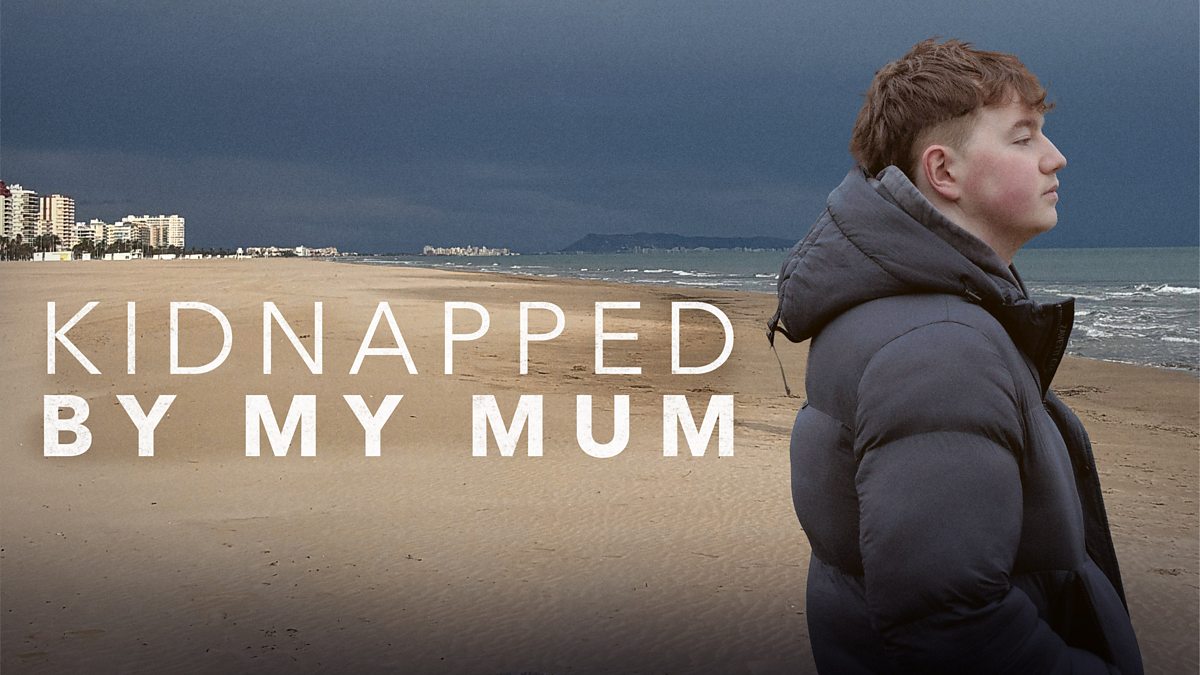
At just 11 years old, Alex Batty thought he was embarking on a family holiday to Spain. Instead, he vanished without a trace, sparking one of the UK’s most baffling missing persons cases. Six years later, on December 13, 2023, the teenager resurfaced in Toulouse, France, after what police described as an “off-the-grid life” spanning Morocco, Spain, and southwestern France. His reappearance has reignited questions about child protection laws, family dynamics, and the psychological toll of prolonged disappearance—all while Batty, now 20, prepares to share his extraordinary story for the first time.
Batty’s case has captivated global audiences not only for its mystery but for the rare glimpse into the mind of someone who lived undetected for nearly half a decade. Unlike many missing children cases, this one ended with the child alive—and willing to speak. His account, verified by Greater Manchester Police, paints a harrowing yet resilient portrait of survival, escape, and the search for normalcy. As the criminal investigation into his alleged abduction at age 11 unfolds, Batty’s story forces us to confront uncomfortable truths: How do children navigate such extreme circumstances? What does “normal” look like after six years of isolation? And what happens next for a young man who has spent his adolescence in legal limbo?
This is the story of Alex Batty—how he vanished, how he survived, and what his return means for the families, law enforcement, and the millions who followed his case. It is also a story of resilience, a testament to the human capacity to endure even when the world has forgotten you.
A Child’s Disappearance: The Holiday That Never Ended
On September 30, 2017, Alex Batty boarded a flight to Málaga, Spain, with his mother, Melanie Batty (then 37), and his maternal grandfather, David Batty (then 58). Neither adult held legal custody of the boy, who was officially under the guardianship of his grandmother, Susan Caruana. According to police records and family statements, the trip was intended to be a holiday in Marbella, but within days, the family’s plans took a drastic turn.
By October 8, 2017, Batty had disappeared. The last known contact was a phone call from his mother to Caruana, who immediately reported him missing to authorities in Oldham, Greater Manchester. The search began, but unlike typical missing child cases, this one lacked immediate leads. No ransom demands, no suspicious activity, no signs of foul play—just a child who had vanished from a foreign country with two adults who were not his legal guardians.

The official timeline, as reconstructed by police and verified through court filings, reveals a pattern of international movement. The family—Batty, his mother, and grandfather—spent time in Morocco, where they reportedly lived in a commune, before resettling in southwestern France. Batty later told investigators that his mother and grandfather had isolated him from the outside world, restricting his access to technology and education. At age 14, he made a silent decision: he would not spend the rest of his life in hiding.
Key verified details:
- Batty was born on February 13, 2006, making him 11 years old at the time of his disappearance.
- His legal guardian, Susan Caruana, was not present during the trip to Spain and had not granted permission for the extended absence.
- Police confirmed on December 22, 2023 that they had launched a criminal investigation into his alleged abduction.
Six Years in the Shadows: Life Off the Grid
Batty’s reappearance in December 2023 shattered the silence that had surrounded his case for years. Found by a delivery driver in Toulouse, he was emaciated, disoriented, and speaking little English after years of isolation. But his mind was clear: he had survived by sheer will. In interviews with Greater Manchester Police, he described a life of constant movement, sleeping in different locations, and relying on the kindness of strangers or temporary connections his mother and grandfather made along the way.
At 17, Batty made his first move toward freedom. According to his account, his mother had planned to relocate the family to Finland—a decision that terrified him. Instead, he fled on foot, navigating through France until he was discovered. His escape was not just physical but psychological: Batty had spent years believing he was being protected, only to realize later that his “protection” was a form of captivity.

Psychologists consulted by police have noted that Batty’s case is rare not just for its duration but for the way it challenges traditional narratives of child abduction. Unlike cases involving kidnapping for ransom or exploitation, Batty’s disappearance was characterized by a slow, insidious erosion of his identity and autonomy. His mother and grandfather, while not initially charged, remain under scrutiny as police investigate whether their actions constituted criminal neglect or abduction.
What we know about his years missing:
- Batty lived in Morocco, Spain, and southwestern France during his disappearance, moving frequently to avoid detection.
- He had limited access to education and technology, relying on basic survival skills.
- At age 17, he escaped his mother’s control and walked hundreds of kilometers to Toulouse, where he was found by a delivery driver.
- Police have not ruled out the possibility of other adults or networks facilitating their movements.
The Investigation: Abduction Allegations and Legal Ramifications
Greater Manchester Police confirmed on December 22, 2023, that they had launched a criminal investigation into Batty’s disappearance, focusing on allegations of abduction. While no arrests have been made, the case has raised serious questions about child protection laws in the UK, particularly regarding guardianship and international travel.
UK law requires that children traveling abroad with only one parent obtain written consent from all legal guardians. In Batty’s case, his grandmother, Susan Caruana, was his legal guardian and had not consented to the trip. This oversight, combined with the family’s subsequent movements, has led to speculation about whether Melanie Batty and David Batty intentionally evaded legal scrutiny.

Legal experts consulted by World Today Journal note that the case may set a precedent for how courts handle prolonged disappearances involving family members. “This isn’t just about a missing child—it’s about the systematic removal of a child from their legal framework,” said one expert. “The investigation will need to determine whether this was a calculated act or a series of poor decisions with devastating consequences.”
As of May 2026, the investigation remains active. Police have not released details about potential witnesses or additional suspects, though sources suggest that international cooperation with Moroccan and French authorities has been ongoing. Batty, now 20, has expressed a desire to move forward but remains a key witness in the case.
Alex Batty Today: Rebuilding a Life
For Batty, the past six years have left indelible marks. He has described struggling with trust, identity, and the basic skills of adolescence—like making friends or understanding social norms—that most young people take for granted. Yet, he has also shown remarkable resilience. Since his return, he has been reunited with extended family in Oldham, where he attended Hathershaw College before his disappearance. His grandmother, Susan Caruana, has been a steadfast supporter, though the emotional toll of the ordeal remains unclear.
Batty has hinted at plans to pursue further education or vocational training, though he has not disclosed specific goals. His story has also sparked a wave of public sympathy, with many questioning how such a case could slip through the cracks of international law enforcement. “People ask me why I didn’t run away sooner,” Batty told reporters in a rare interview. “But at 11, you don’t know what’s normal. You just know what you’re told is normal.”
His case has also prompted calls for reform in how missing children cases are handled, particularly when they involve international travel. Advocacy groups are pushing for mandatory global alerts for children traveling with non-custodial adults, as well as better coordination between countries’ law enforcement agencies.
What Happens Next?
The criminal investigation into Batty’s disappearance is ongoing, with police emphasizing that they are following all leads. While no charges have been filed against Melanie Batty or David Batty, the case remains under review. Legal sources suggest that prosecutors may take months to decide whether to pursue charges, given the complexity of international law and the need for thorough evidence.
For Batty, the focus now is on healing. He has expressed gratitude for the public’s support but has also urged privacy as he navigates the next chapter of his life. “I just want to live normally,” he said in a statement. “I’ve missed out on so much, but I’m not going to let that define me.”
As the case unfolds, one thing is certain: Alex Batty’s story is far from over. It is a reminder of the fragility of childhood, the resilience of the human spirit, and the urgent need for systems that protect the most vulnerable among us.
Key Takeaways
- Duration of Disappearance: Alex Batty was missing for six years, from October 2017 to December 2023.
- Locations: He lived in Morocco, Spain, and southwestern France during his disappearance.
- Legal Guardianship: Batty’s grandmother, Susan Caruana, was his legal guardian and did not consent to the trip to Spain.
- Escape: At age 17, Batty fled his mother’s control and walked to Toulouse, where he was found.
- Investigation Status: Greater Manchester Police are investigating allegations of abduction, with no arrests made as of May 2026.
- Public Impact: The case has sparked debates about child protection laws and international cooperation in missing persons cases.
This story will be updated as new developments emerge. In the meantime, we encourage readers to share their thoughts or questions in the comments below. How would you have handled such a situation? What lessons can we learn from Alex Batty’s extraordinary journey?