
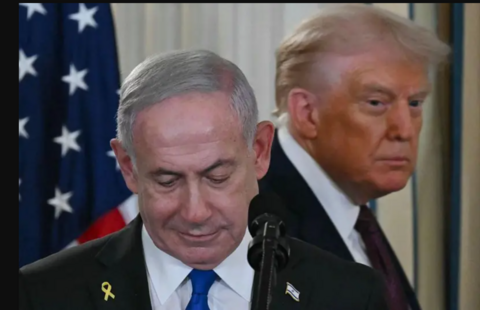
Sofia, Bulgaria — May 7, 2026 — U.S. President Donald Trump has stated that the ongoing conflict with Iran will be “over quickly,” expressing optimism about a peace deal even as tensions remain high. The remarks come as Israel maintains its military readiness, signaling that “all options remain on the table” amid escalating regional tensions. Meanwhile, Iran’s new Supreme Leader, Ayatollah Mojtaba Khamenei, has held direct meetings with President Masoud Pezeshkian, raising questions about the regime’s internal cohesion and its approach to negotiations.
Trump’s latest comments, delivered during a briefing on Wednesday, reflect a shift in tone from earlier warnings of potential military strikes if Iran rejects U.S. Proposals. The president emphasized that negotiations are “going unbelievably well,” though he cautioned that higher-level military actions could still be authorized if diplomacy fails. His remarks followed reports that Iran has formally closed the Strait of Hormuz to commercial shipping, a move that has sent global oil markets into volatility and raised concerns about a broader regional confrontation.
The conflict between the U.S. And Iran entered a critical phase after a series of airstrikes in late February 2026, which targeted Iranian military and leadership sites, including the residence of the late Supreme Leader Ayatollah Ali Khamenei. The younger Khamenei, Mojtaba, assumed leadership shortly thereafter, though his health and political influence remain subjects of speculation. Iranian state media has reported that Pezeshkian met with Khamenei for nearly two and a half hours, describing the atmosphere as “direct, candid, and filled with a sense of closeness, and trust.” However, U.S. Officials have suggested that Mojtaba Khamenei may have suffered severe injuries in the same airstrikes that killed his predecessor, potentially limiting his ability to lead.
President Trump is again voicing optimism for a peace deal, saying the war will be “over quickly” and insisting it’s going “unbelievably well.” But he also warned Wednesday that if Iran rejects the U.S. Offer, he could order “higher level” military strikes.
Israel’s Military Posture: “All Options Remain on the Table”
While Trump’s statements suggest a push for diplomatic resolution, Israel has taken a more cautious stance. Israeli officials, speaking on condition of anonymity, have reiterated that the country remains prepared for “all possibilities,” including further military action if necessary. The comments come amid reports that Iran has accelerated its efforts to formalize control over the Strait of Hormuz, a critical chokepoint for global oil supplies. Shipping intelligence firm Lloyd’s List has confirmed that the strait is now closed to commercial vessels unless cleared by a newly created Iranian agency.
Analysts warn that the closure of the Strait of Hormuz could trigger a severe economic crisis, particularly in Asia and Europe, where energy markets are already strained. Brent crude and U.S. Benchmark West Texas Intermediate (WTI) crude prices have fluctuated below $100 per barrel in recent days, a direct response to the shifting geopolitical landscape. However, experts caution that any sudden disruption in supply could send prices soaring, exacerbating inflationary pressures already felt worldwide.
Key Developments: What We Know So Far
- Iran’s Leadership Transition: Ayatollah Mojtaba Khamenei assumed leadership after the death of his father, Ayatollah Ali Khamenei, in late February 2026. His health and political influence remain uncertain, with U.S. Officials suggesting possible incapacitation from injuries sustained in the same airstrikes that killed his predecessor [CBS News].
- Strait of Hormuz Closure: Iran has formally restricted commercial shipping through the Strait of Hormuz, requiring vessels to obtain clearance from a newly established Iranian agency. This move has raised alarms about potential disruptions to global oil supplies [Lloyd’s List].
- U.S. Military Posture: Trump has indicated that while negotiations are progressing, the U.S. Retains the option to escalate military actions if Iran rejects the proposed peace deal. His administration has not ruled out further airstrikes or other forms of military pressure.
- Israel’s Response: Israeli officials have avoided public commentary on Trump’s remarks, but anonymous sources have emphasized that Israel will not be constrained by U.S. Diplomatic timelines. The country’s military remains on high alert, with reports suggesting preparations for potential retaliatory strikes.
What Comes Next: The Path Forward
The next critical checkpoint will likely be the outcome of Iran’s review of the latest U.S. Peace proposal, expected within the coming days. If negotiations stall, the risk of further military escalation—including potential strikes on Iranian nuclear facilities or additional airstrikes—will rise sharply. Meanwhile, global markets will continue to monitor developments closely, with oil prices serving as a barometer for regional stability.
For readers seeking official updates, the following resources provide verified information:
- The White House Briefing Room for U.S. Government statements.
- U.S. Department of State for diplomatic communications.
- Lloyd’s List for real-time updates on maritime security in the Strait of Hormuz.
- CBS News Live Updates for ongoing coverage of the conflict.
Key Takeaways
- Diplomatic Optimism vs. Military Readiness: Trump’s remarks suggest a push for a swift resolution, but Israel and the U.S. Military have not ruled out further action if negotiations fail.
- Economic Risks: The closure of the Strait of Hormuz poses significant threats to global oil supplies, with potential ripple effects on inflation and economic stability.
- Iran’s Internal Dynamics: The health and leadership capabilities of Ayatollah Mojtaba Khamenei remain uncertain, which could impact Iran’s negotiating position.
- Market Reactions: Oil prices are already volatile, and any further escalation could trigger sharp increases, affecting economies worldwide.
- Next Steps: The focus will be on Iran’s response to the U.S. Peace proposal, with potential military actions looming if diplomacy fails.
Why This Matters: Global Implications
The U.S.-Iran conflict is not an isolated event but a critical juncture in global geopolitics. The Strait of Hormuz is a flashpoint that, if disrupted, could destabilize energy markets and trigger a broader regional confrontation. Meanwhile, the internal dynamics within Iran—particularly the leadership transition and Mojtaba Khamenei’s health—add layers of uncertainty to any diplomatic efforts.

For the international community, the stakes are high. A prolonged conflict could lead to sanctions evasion, increased proliferation risks, and further destabilization in the Middle East. The U.S. And its allies must balance their diplomatic efforts with military preparedness, ensuring that any resolution does not leave vulnerabilities that could be exploited by adversaries.
As the situation evolves, World Today Journal will continue to provide verified updates and analysis. We encourage readers to share their insights and concerns in the comments below, and to follow our coverage for the latest developments.
Maria Petrova is an international journalist and editor with 14 years of experience covering geopolitics and global affairs. Her reporting has been recognized with the European Press Prize for International Reporting (2022).