
The moment a new parent prepares to leave the hospital—the “going home” transition—is often portrayed as a pinnacle of joy, and relief. It is the culmination of months of anticipation and the beginning of a new familial chapter. However, from a clinical perspective, this transition marks the start of the “fourth trimester,” a critical period of physiological and psychological adjustment that requires as much attention and medical oversight as the pregnancy itself.
For many, the shift from the structured environment of a maternity ward to the unpredictability of home life can be jarring. While the celebration of a new arrival is central, the medical reality is that the postpartum period is a high-risk window for both the parent and the newborn. Ensuring a safe transition involves more than just a car seat and a diaper bag; it requires a comprehensive understanding of recovery milestones, red-flag symptoms, and the systemic support necessary to prevent maternal morbidity.
As a physician and health journalist, I have observed that the gap in care between hospital discharge and the first six-week check-up is often where critical health issues go unnoticed. By framing the journey home not as the end of the medical process, but as a transition into a different phase of intensive care, we can better protect the health of families globally.
Hospital Discharge: Ensuring a Safe Departure
Before a patient is cleared to leave the hospital, a series of clinical benchmarks must be met to ensure the safety of both the birthing parent and the infant. These protocols are designed to catch immediate complications such as postpartum hemorrhage or neonatal distress before the patient is removed from a monitored environment.
For the parent, clinicians typically monitor vital signs, the firmness of the uterine fundus (to ensure the uterus is contracting to stop bleeding), and the status of any surgical incisions from a Cesarean section. A critical component of discharge is the screening for early signs of preeclampsia, which can occur even after delivery. According to the American College of Obstetricians and Gynecologists (ACOG), postpartum preeclampsia can manifest as severe headaches, vision changes, or sudden swelling, requiring immediate medical intervention to prevent seizures or stroke.
For the newborn, the discharge checklist typically includes a successful first feeding, a verified temperature stability, and the completion of mandatory screenings. In many jurisdictions, this includes the newborn screening test (often a heel prick) to check for metabolic and genetic disorders, as well as a bilirubin check to screen for neonatal jaundice, which, if left untreated, can lead to permanent neurological damage.
Physical Recovery: Healing After Childbirth
The physical recovery process varies significantly depending on the mode of delivery, but all postpartum bodies undergo a massive systemic shift. The uterus, which expanded to hold a fetus, must undergo “involution”—the process of returning to its pre-pregnancy size. This represents often accompanied by “afterpains,” which can be particularly intense for those who have had multiple pregnancies.

Vaginal Delivery and Perineal Care
For those who deliver vaginally, recovery focuses on the healing of the perineum and any episiotomies or lacerations. Proper hygiene and the use of sitz baths are standard recommendations to prevent infection. Clinicians emphasize the monitoring of lochia—the vaginal discharge after childbirth. While bleeding is expected, a sudden increase in flow (soaking through a pad in an hour) or the presence of large clots can indicate a late postpartum hemorrhage, a medical emergency.
Cesarean Section Recovery
Recovery from a C-section is a major abdominal surgery recovery. The focus shifts to wound care, pain management, and the prevention of deep vein thrombosis (DVT). Because pregnancy and surgery both increase the risk of blood clots, early ambulation (walking) is encouraged. Patients are advised to watch for unilateral leg swelling or shortness of breath, which may indicate a pulmonary embolism.
Critical Postpartum Red Flags
It is imperative that new parents and their support systems recognize the “red flags” that necessitate an immediate return to the hospital. The following symptoms are not a normal part of the postpartum experience:
- Fever: A temperature of 100.4°F (38°C) or higher can indicate an infection in the uterus (endometritis) or a urinary tract infection.
- Severe Headache: A persistent, throbbing headache that does not respond to medication may be a sign of postpartum preeclampsia.
- Shortness of Breath: Sudden difficulty breathing or chest pain can be a sign of a pulmonary embolism.
- Excessive Bleeding: Saturating a menstrual pad in one hour or passing clots larger than a golf ball.
- Calf Pain: Swelling, redness, or warmth in one leg, suggesting a DVT.
The Mental Health Spectrum: From Baby Blues to Postpartum Depression
The psychological transition of “going home” is often as complex as the physical one. The sudden drop in estrogen and progesterone levels, combined with sleep deprivation and the pressure of newborn care, creates a vulnerability to mood disorders.

The “Baby Blues”
Affecting up to 80% of new parents, the “baby blues” are characterized by mood swings, irritability, and tearfulness. These typically emerge within the first few days after birth and resolve spontaneously within two weeks. While distressing, they are considered a normal response to the hormonal shift and lack of sleep.
Postpartum Depression (PPD) and Anxiety (PPA)
When mood disturbances persist beyond two weeks or interfere with the ability to care for the infant, they may escalate to Postpartum Depression or Postpartum Anxiety. PPD affects approximately 1 in 7 women, though it can also affect partners. Symptoms include profound sadness, feelings of inadequacy, insomnia (even when the baby is sleeping), and a loss of interest in the baby or other activities.
In severe cases, postpartum psychosis may occur. This is a psychiatric emergency characterized by hallucinations, delusions, and thoughts of self-harm or harming the infant. According to the World Health Organization (WHO), maternal mental health is a global priority, as untreated PPD can lead to impaired bonding and long-term developmental challenges for the child.
Newborn Care: The First Days at Home
Transitioning a newborn to the home environment involves managing a steep learning curve. The primary concerns for the first two weeks are nutrition, hydration, and temperature regulation.

Feeding and Hydration
Whether breastfeeding or formula-feeding, the goal is to ensure the baby is receiving enough calories to regain their birth weight, which typically happens by the 10th to 14th day of life. A key indicator of adequate intake is the number of wet and dirty diapers. Clinicians generally look for at least six to eight wet diapers per 24 hours by the end of the first week.
Sleep Safety and SIDS Prevention
The “going home” phase is when caregivers must be most vigilant about Safe Sleep practices to reduce the risk of Sudden Infant Death Syndrome (SIDS). The gold standard is the “ABC” method: Alone, on their Back, in a Crib or bassinet with a firm, flat surface and no loose bedding, pillows, or stuffed animals.
Monitoring Jaundice
Many newborns develop physiological jaundice as their livers mature and break down bilirubin. While often mild, parents should monitor for a yellowing of the skin or the whites of the eyes. If the baby becomes excessively sleepy or difficult to wake for feedings, a pediatrician must be contacted immediately for a bilirubin check.
The Support System: The Role of Partners and Family
The medical outcome of the postpartum period is heavily influenced by the social determinants of health—specifically, the presence of a supportive environment. The “going home” moment is where the burden of care often falls heavily on the birthing parent, which can exacerbate physical and mental health struggles.
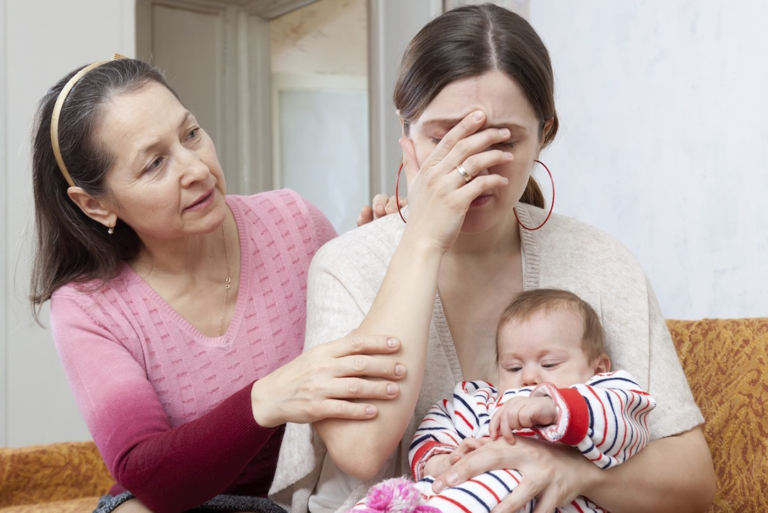
An effective support system does not just “help with the baby,” but focuses on the recovery of the parent. This includes managing household chores, ensuring the parent is hydrated and nourished, and monitoring the parent’s mood. Partners are also at risk for postpartum depression, often overlooked because the focus remains on the mother and child. Recognizing that the entire family unit is in transition is essential for a healthy recovery.
| Feature | Baby Blues | Postpartum Depression (PPD) | Postpartum Psychosis |
|---|---|---|---|
| Onset | 2–3 days postpartum | Weeks to months postpartum | Days to weeks postpartum |
| Prevalence | Extremely Common (~80%) | Common (~10-15%) | Rare (~0.1-0.2%) |
| Duration | Resolves within 2 weeks | Persistent without treatment | Acute/Emergency |
| Primary Symptoms | Mood swings, crying | Hopelessness, fatigue, anxiety | Hallucinations, delusions |
| Treatment | Rest, emotional support | Therapy, medication, support | Immediate hospitalization |
Long-term Wellness and Follow-up Care
The transition home is the beginning of a journey that extends well beyond the initial weeks. Long-term recovery involves addressing the “invisible” aspects of childbirth, such as pelvic floor health. Many parents experience urinary incontinence or pelvic organ prolapse following delivery. Consulting a pelvic floor physical therapist is often a necessary step in regaining full function and quality of life.
Nutritional rehabilitation is also key. The body requires increased caloric intake and specific nutrients—such as iron, omega-3 fatty acids, and vitamin D—to recover from the blood loss of childbirth and to support lactation. For those who are breastfeeding, the nutritional demands remain high, making a balanced diet and hydration non-negotiable.
Finally, the postpartum check-up, traditionally scheduled at six weeks, should be viewed as a minimum. Modern healthcare models are moving toward a “staged” approach to postpartum care, with check-ins at two weeks, six weeks, and three months to better monitor mental health and physical healing.
The journey home from the hospital is a milestone of immense emotional significance, but it is also a medical transition that requires vigilance. By prioritizing mental health, recognizing physical red flags, and leaning on a robust support system, new families can move from the vulnerability of the fourth trimester into a sustainable state of health and well-being.
The next critical checkpoint for most new parents is the first pediatric wellness visit and the initial postpartum maternal screening, typically occurring within the first 7 to 14 days after discharge. We encourage readers to share their recovery experiences and ask questions in the comments below to foster a community of informed and supported parenthood.
Related reading