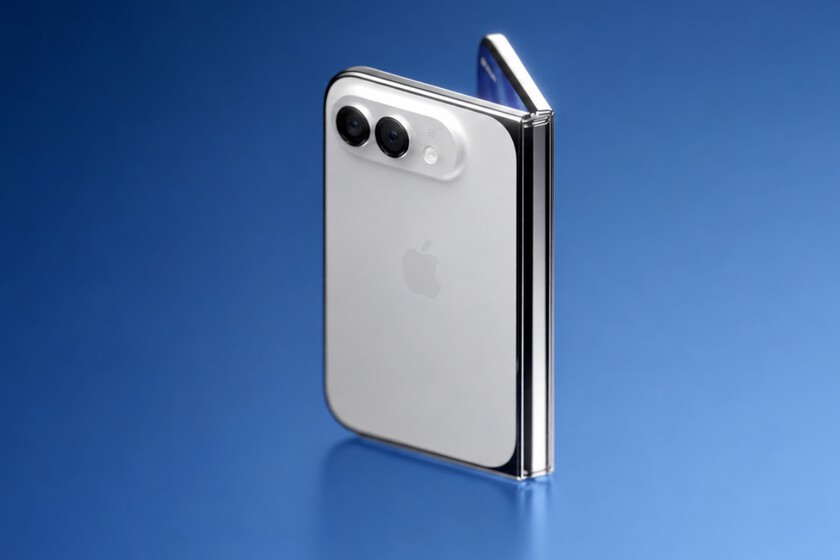
For years, the “Pro Max” has stood as the undisputed ceiling of Apple’s smartphone hierarchy. It represented the maximum available screen real estate, the most robust battery life, and the most advanced camera systems. However, a persistent stream of leaks and supply chain reports suggests that Apple is preparing to shatter that ceiling with a new tier: the iPhone Ultra.
The latest intelligence surrounding this rumored device indicates a strategic pivot. While early speculation suggested the “Ultra” would simply be a larger, more powerful version of the Pro Max, current leaks suggest a different trajectory. The iPhone Ultra is not shaping up to be a mere iterative upgrade; instead, it appears Apple is eyeing a fundamental redesign that prioritizes a distinct aesthetic and specialized capabilities, potentially distancing it from the traditional iPhone silhouette.
As a journalist who has tracked the evolution of Apple silicon and consumer electronics for nearly a decade, I see this as more than just a naming exercise. By introducing an “Ultra” designation—already successfully deployed with the Apple Watch—Apple is signaling a move toward a “luxury-performance” hybrid. This device is expected to target a demographic that finds the Pro Max too utilitarian and the standard models insufficient, filling a gap in the market for a true “halo” product.
The Design Pivot: Slimmer, Not Just Bigger
The most intriguing aspect of the recent leaks is the tension between the “Ultra” and “Slim” (or “Air”) designations. While some reports conflate the two, industry analysts suggest that Apple is experimenting with a significantly thinner chassis that could redefine the iPhone’s physical presence. This shift suggests that the iPhone Ultra won’t necessarily be the largest phone in the lineup, but rather the most refined.
Historically, Apple has struggled to balance battery capacity with thinness. However, advancements in battery density and the efficiency of the upcoming A-series chips may allow for a device that maintains “Ultra” performance without the bulk of the current Pro Max. This design philosophy mirrors the transition seen in the Mac lineup, where the move toward Apple silicon allowed for the creation of thinner laptops that outperformed their thicker, Intel-based predecessors.
This rumored redesign is expected to include a revised camera island and a more integrated frame, potentially utilizing a higher grade of titanium or a new alloy to maintain structural integrity despite a slimmer profile. If these leaks hold true, the iPhone Ultra will be the first major departure from the iPhone’s basic industrial design language since the introduction of the notch and subsequent Dynamic Island.
Engineering for the AI Era: 12GB of RAM
Beyond the exterior, the iPhone Ultra is rumored to be the primary vehicle for Apple’s most ambitious AI integrations. While “Apple Intelligence” is being rolled out across several models, the hardware requirements for on-device large language models (LLMs) are steep. This represents where the iPhone Ultra is expected to diverge sharply from the rest of the lineup.
Reports indicate that Apple is targeting 12GB of RAM for its high-end 2025 and 2026 models to better support the memory-intensive demands of generative AI. While the Pro models currently hover around 8GB, the Ultra would provide the necessary headroom for more complex, on-device processing, reducing the reliance on Private Cloud Compute and increasing response speeds for Siri and other AI-driven features.
This jump in memory is not merely for multitasking; it is a foundational requirement for the next generation of software. By isolating the highest RAM capacity in an “Ultra” model, Apple can create a clear value proposition: the Ultra is not just a phone with a better camera, but a dedicated AI workstation in your pocket.
Camera Innovations and the 24MP Leap
Photography has always been the primary differentiator for Apple’s Pro line, but the iPhone Ultra is rumored to push this even further. While the current Pro Max focuses on the tetraprism zoom lens, the Ultra may introduce a significant upgrade to the front-facing camera system.
Leaked specifications suggest a move toward a 24-megapixel front camera, a substantial jump from the 12-megapixel sensors used in previous generations. This upgrade would likely include an improved aperture and a new lens element to reduce distortion, catering to a growing market of content creators who require studio-quality video for social platforms.
On the rear, the Ultra may integrate a more advanced periscope lens system, potentially offering higher optical zoom capabilities without the physical protrusion seen in current models. The goal appears to be “invisible power”—providing professional-grade optics within a chassis that remains sleek and portable.
Comparison: Pro Max vs. Rumored iPhone Ultra
| Feature | iPhone Pro Max (Current) | iPhone Ultra (Rumored) |
|---|---|---|
| Primary Focus | Maximum Utility & Screen | Luxury Design & AI Power |
| Memory (RAM) | 8GB | 12GB (Optimized for AI) |
| Front Camera | 12MP | 24MP |
| Chassis | Standard Titanium | Ultra-Slim/Refined Alloy |
| Positioning | Professional Tool | Halo/Luxury Product |
Market Strategy: Why an “Ultra” Now?
The introduction of an Ultra model is a calculated response to two pressures: the stagnation of the traditional smartphone upgrade cycle and the rise of foldable devices. While Apple has remained cautious about foldables, the iPhone Ultra serves as a “bridge” product. It offers a “new” experience—through design and AI—without the durability concerns associated with folding screens.
this move allows Apple to further segment its pricing. By introducing a tier above the Pro Max, Apple can maintain the Pro Max as the “standard” high-end choice while pushing the Ultra into a luxury price bracket. This mirrors the strategy used by the Apple Watch Ultra, which successfully attracted outdoor enthusiasts and tech early-adopters who were willing to pay a premium for a distinct look and enhanced battery life.
For the global consumer, this means more choice, but it also means a more complex lineup. The challenge for Apple will be ensuring that the Ultra feels like a genuine leap forward rather than a forced luxury item. If the device only offers a slightly thinner frame and a bit more RAM, the “Ultra” branding may feel hollow. However, if it delivers a transformative AI experience and a truly new aesthetic, it could spark a new wave of upgrades.
What Happens Next?
While these leaks provide a compelling glimpse into Apple’s roadmap, it is important to remember that Apple frequently pivots its hardware designs late in the development cycle. The transition from “Slim” to “Ultra” may still be undecided internally, and final specifications for the A19 chip and RAM configurations are subject to change based on supply chain yields.
The next definitive checkpoint will be the September 2025 iPhone event, where we will see if the “Slim/Ultra” concept makes its debut or if Apple opts for a more conservative update to the Pro Max. Until then, the “Ultra” remains the most tantalizing possibility in the Apple ecosystem—a promise of a device that finally breaks the mold of the modern smartphone.
Do you think a thinner, AI-focused “Ultra” iPhone is the right move for Apple, or should they focus on foldable technology instead? Share your thoughts in the comments below.
Worth a look
- Ethereum Prognose August 2026 nach drei Verlustquartalen und 337 Millionen ETF-Zuflüssen
- Tech Giants Embed Cybersecurity Features Into Platforms Amid AI Threats
- August 2026 Streaming Guide: Ted Lasso Returns to Apple TV and More (time.news)
- Apple Watch GPS Tracker Leads to Arrest of 27-Year-Old Man in Turin (newsdirectory3.com)