
A strategic alliance aimed at bridging the gap between academic discovery and clinical application has emerged in the field of genetic medicine. On May 7, 2026, SK pharmteco announced a partnership with Axle Informatics and the National Institutes of Health (NIH) to accelerate rare disease gene therapy programs, focusing specifically on the development of viral vector programs to treat underserved patient populations.
This collaboration is designed to address one of the most persistent hurdles in biotechnology: the translation of promising laboratory research into viable clinical treatments. By pairing the manufacturing scale of a specialized contract development and manufacturing organization (CDMO) with the research prowess of the NIH, the partnership seeks to provide a reliable pathway for therapies that often struggle to secure the necessary technical and financial support to reach the clinic.
Under the terms of the agreement, SK pharmteco serves as a subcontractor to the NIH, while Axle Informatics acts as the primary contractor. This structure allows for a streamlined workflow where the NIH provides the scientific leadership and principal investigators, Axle Informatics manages the overarching coordination, and SK pharmteco provides the advanced manufacturing and analytical expertise required to produce therapeutic-grade materials.
Targeting Inherited Blood and Metabolic Disorders
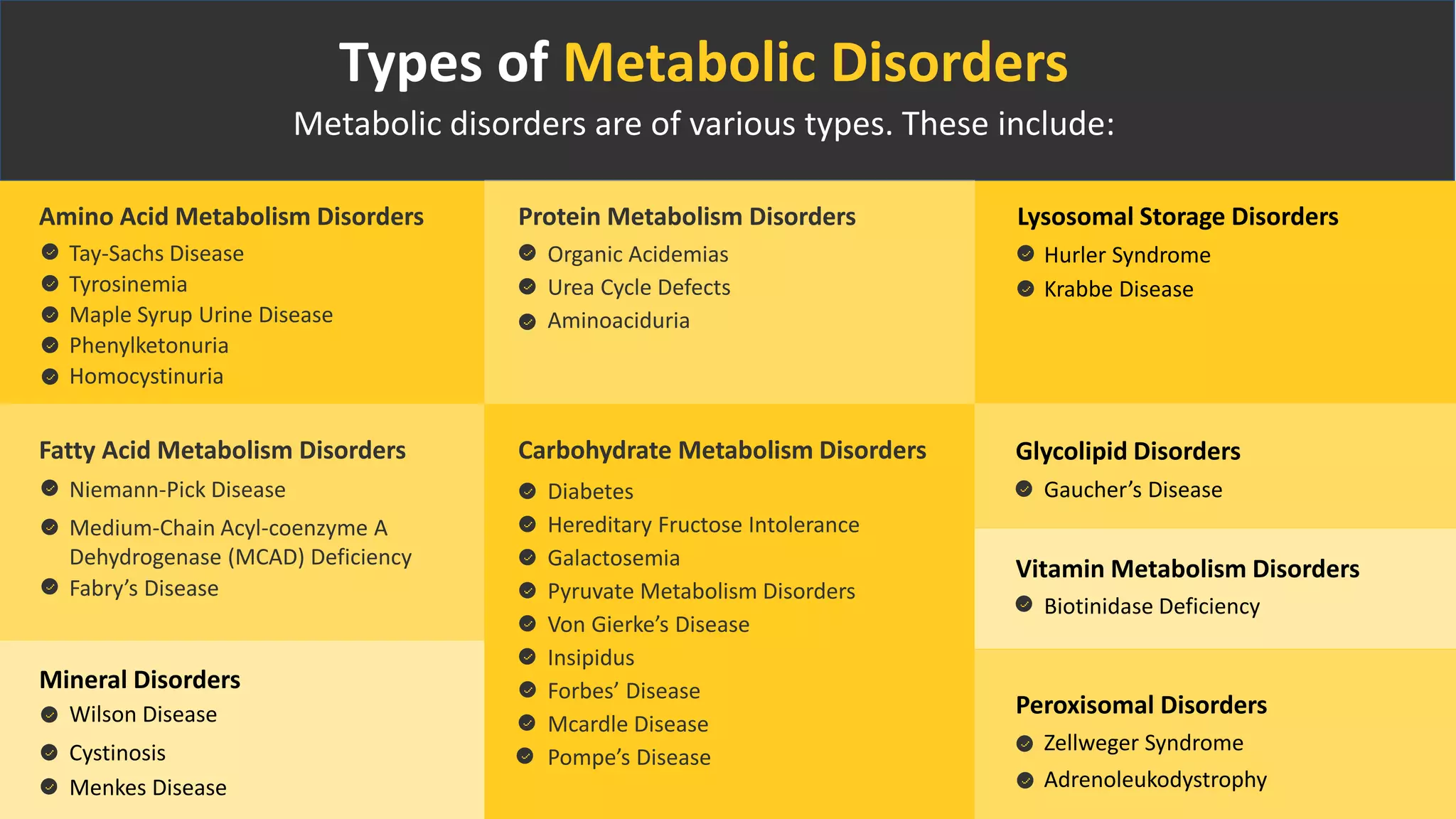
The inaugural phase of this partnership is focused on the production of lentiviral vectors (LVV) designed to treat rare inherited blood and metabolic disorders. These conditions often stem from single-gene mutations that impair critical biological functions, and for many patients, gene therapy represents the only potential for a long-term or curative treatment. According to the official announcement on May 7, 2026, SK pharmteco has worked closely with NIH investigators to advance these specific efforts via the company’s press release.
Lentiviral vectors are a sophisticated tool in the gene therapy toolkit. They are derived from modified viruses that can permanently integrate a functional copy of a gene into the genome of a target cell. This makes them particularly effective for treating diseases where a lifelong supply of a missing or corrected protein is required. Because these vectors can infect both dividing and non-dividing cells, they are highly versatile for a wide range of genetic targets.
A critical component of this current program involves the manufacturing of drug substance intended for the ex vivo transduction of patients’ CD34+ hematopoietic stem cells. In this process, hematopoietic stem cells—the “mother cells” responsible for creating all blood cells—are harvested from the patient and modified in a controlled laboratory environment using the lentiviral vector. Once the genetic correction is confirmed, these modified cells are infused back into the patient, where they can populate the bone marrow and produce healthy, functioning blood cells.
The Role of Analytical Rigor and Batch Release
Manufacturing for gene therapy is vastly more complex than traditional pharmaceutical production. Each batch must meet stringent purity, potency, and safety standards to ensure patient safety. To support this, SK pharmteco has managed the batch-release testing for the NIH program, with the majority of analytical assays performed in-house at its specialized laboratories as detailed in the May 7 announcement.

This internal analytical capability is vital because it reduces the time between production and release. In the context of rare diseases, where patient cohorts are little and the urgency for treatment is high, any delay in the supply chain can have significant implications for clinical trial timelines and patient outcomes.
Overcoming the “Valley of Death” in Rare Disease Research
The partnership highlights a systemic challenge in the medical community: the “valley of death,” the gap between a successful academic proof-of-concept and a scalable, clinical-grade product. Rare disease programs often operate under significant development and funding constraints, which can stall the progress of potentially life-saving therapies.

John Lee, the Global Head of Viral Vector at SK pharmteco, emphasized the necessity of flexible partnerships in this sector. “Rare disease programs often operate under significant development and funding constraints, making reliable technical execution and flexible partnerships especially important,” Lee stated. He further noted that by collaborating with Axle Informatics and NIH investigators, the company is applying its lentiviral manufacturing and analytical expertise to help move these programs toward the clinic for patients with serious unmet needs according to the company’s May 7 statement.
By providing the industrial-scale infrastructure needed for viral vector production, the partnership lowers the barrier to entry for NIH researchers. This allows scientists to focus on the genetic architecture of the disease while the manufacturing partner ensures that the resulting therapy is produced under Current Good Manufacturing Practice (cGMP) standards, which is a prerequisite for any human clinical trial.
Key Technical Components of the Collaboration
To better understand the impact of this partnership, it is helpful to break down the specific technical contributions and the stakeholders involved:
- National Institutes of Health (NIH): Provides the primary research, the principal investigators (PIs), and the scientific blueprints for the gene therapies.
- Axle Informatics: Serves as the primary contractor, managing the administrative and operational coordination between the government research body and the private manufacturer.
- SK pharmteco: Acts as the technical subcontractor, providing the viral vector manufacturing, drug substance production, and the analytical testing required for batch release.
- Lentiviral Vectors (LVV): The delivery vehicle used to insert healthy genes into the patient’s own stem cells.
- CD34+ Hematopoietic Stem Cells: The specific target cells for the current blood and metabolic disorder programs, modified ex vivo before being returned to the patient.
What This Means for the Future of Precision Medicine
The move toward strategic partnerships between government agencies and CDMOs signals a shift in how precision medicine is developed. Traditionally, the path from the lab to the pharmacy was linear and often fragmented. This integrated model—where manufacturing is considered from the earliest stages of academic research—can significantly shorten the development cycle.

For patients with rare inherited blood and metabolic disorders, this collaboration offers a tangible increase in hope. Many of these conditions are “orphan diseases,” meaning they affect a small enough population that they have historically been neglected by large pharmaceutical companies due to the high cost of development relative to the potential market size. When the NIH and a global manufacturing partner like SK pharmteco align, the focus shifts from market viability to medical necessity.
the emphasis on ex vivo transduction of CD34+ cells suggests a commitment to personalized medicine. Because the patient’s own cells are used, the risk of immune rejection—a common complication in allogeneic (donor-derived) therapies—is virtually eliminated, potentially improving the safety profile and long-term efficacy of the treatment.
Key Takeaways: NIH, Axle Informatics, and SK pharmteco Partnership
- Objective: Accelerate the translation of academic gene therapy research into clinical practice for rare diseases.
- Primary Focus: Producing lentiviral vectors (LVV) for inherited blood and metabolic disorders.
- Technical Method: Ex vivo transduction of patient-derived CD34+ hematopoietic stem cells.
- Strategic Roles: NIH (Research), Axle Informatics (Primary Contractor), SK pharmteco (Manufacturing/Analytical Subcontractor).
- Impact: Reduces the technical and financial barriers that typically hinder the development of “orphan” disease treatments.
As these programs move forward, the next confirmed checkpoint will be the progression of these manufactured drug substances into clinical trials, where their safety and efficacy in human patients will be evaluated. Official updates regarding trial commencement and patient enrollment are expected to be released through the NIH and its partners as the programs reach clinical readiness.
We invite our readers to share their thoughts on the role of public-private partnerships in curing rare diseases in the comments section below.
Related reading