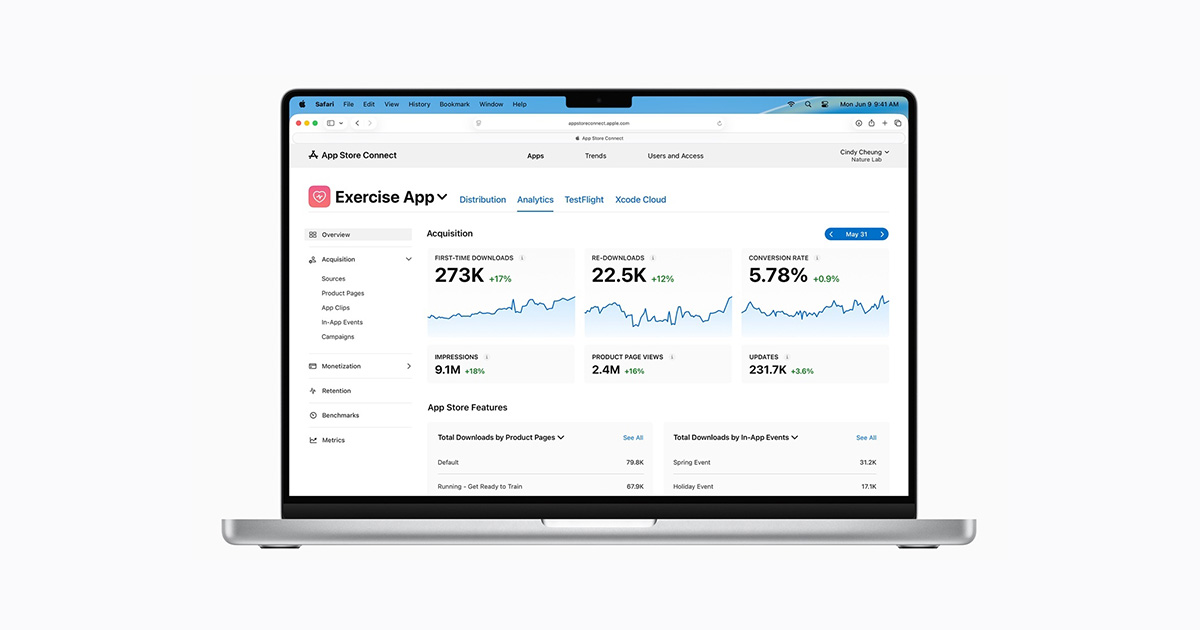
Apple has unveiled a sweeping overhaul of its App Store Analytics platform, marking the most comprehensive update since its launch. The new features—announced today—empower developers with deeper insights into user behavior, monetization performance, and regional trends through over 100 new metrics, advanced cohort analysis, and industry benchmarks. For app creators navigating an increasingly competitive digital marketplace, these tools represent a significant leap forward in data-driven decision-making.
The update arrives as mobile app revenue continues its upward trajectory, with global spending projected to exceed $277 billion in 2026, according to Statista. For developers, understanding how users engage with in-app purchases and subscriptions has never been more critical. Apple’s latest analytics refresh directly addresses this need by providing granular, actionable data previously unavailable.
Key among the new capabilities is the introduction of cohort-based analytics, allowing developers to track user behavior segmented by attributes like download date, regional origin, or promotional campaign exposure. This enables precise comparisons—for example, evaluating how quickly users in emerging markets convert to paid subscriptions compared to long-standing regions. Apple emphasizes that all cohort data is aggregated to preserve user privacy, aligning with evolving global data protection regulations.
Breaking Down the New Features
Apple’s analytics overhaul introduces four major innovations:
- Over 100 new monetization metrics: Developers can now access detailed performance data on in-app purchases and subscription models, including conversion rates, average revenue per user (ARPU), and retention trends.
- Cohort analysis tools: Segment users by download source, region, or promotional activity to measure long-term engagement patterns. For instance, a developer expanding into Brazil can compare local purchase behavior against established markets.
- Peer group benchmarks: Two new industry comparisons—download-to-paid conversion rates and proceeds per download—help developers assess their performance relative to similar apps. These benchmarks use differential privacy to protect individual developer identities.
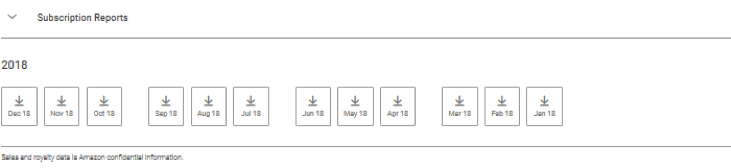
- Subscription reports via API: Exportable subscription analytics enable offline analysis and integration with third-party business intelligence tools.
developers can now apply up to seven filters simultaneously to drill down into specific metrics, such as isolating performance by device type, operating system version, or promotional channel. This level of granularity was previously unavailable in Apple’s analytics suite.
Why This Matters for Developers
The update directly responds to developer feedback about the need for more transparent, actionable data. As competition intensifies—particularly in gaming and subscription-based apps—understanding user acquisition costs and lifetime value has become a differentiator. For example:

- Gaming apps can now track how in-game purchases correlate with player retention across regions.
- Subscription services gain visibility into churn rates by cohort, enabling targeted retention strategies.
- Freemium models benefit from deeper insights into conversion funnels from free to paid tiers.
Apple’s move also reflects broader industry trends. Competitors like Google Play and third-party analytics platforms have long offered similar tools, but Apple’s integration with App Store Connect provides seamless access without requiring external integrations. The inclusion of differential privacy techniques further aligns with global data regulations, such as the EU’s GDPR and California’s CCPA.
How to Access the New Analytics
Developers can explore the updated analytics dashboard within App Store Connect. Apple has also released an App Store Analytics Guide to help users navigate the new features. Key steps include:
- Log in to App Store Connect with developer credentials.
- Navigate to the Analytics tab under your app’s dashboard.
- Select from the new metrics categories, such as Monetization or Subscriptions.
- Apply filters (up to seven) to refine data views.
- Export subscription reports via the Analytics Reports API for advanced analysis.
For developers unfamiliar with cohort analysis or peer benchmarks, Apple’s guide provides tutorials and real-world examples. The platform also includes tooltips and contextual help to clarify technical terms.
Industry Reaction and Next Steps
Early reactions from developers highlight the update’s potential to democratize data access. “This is a game-changer for indie developers who previously lacked the tools to compete with larger studios,” said Jane Chen, a mobile game developer based in San Francisco. “Being able to compare our performance to peers in our niche will help us make smarter pricing and marketing decisions.”

Apple has not specified a timeline for additional updates, but the company’s history suggests iterative improvements. Developers are encouraged to experiment with the new features and provide feedback through Apple’s developer forums. The next major checkpoint will likely be Apple’s Worldwide Developers Conference (WWDC) in June, where further refinements or new tools may be announced.
Key Takeaways
- Data depth: Over 100 new metrics provide unprecedented visibility into user behavior, and monetization.
- Cohort power: Segment users by region, download source, or campaign to measure long-term engagement.
- Benchmarking: Compare performance against peers using download-to-paid conversion and proceeds per download metrics.
- Privacy focus: All data aggregation uses differential privacy to protect user identities.
- API access: Subscription reports can be exported for offline analysis or third-party integration.
For developers ready to dive deeper, Apple’s official documentation and the updated App Store Connect dashboard offer step-by-step guidance. Whether you’re optimizing a gaming app, subscription service, or freemium model, these tools are designed to turn data into actionable strategies.
What features will you explore first? Share your thoughts in the comments below or on our social channels. For ongoing updates, bookmark this page or subscribe to our tech newsletter.