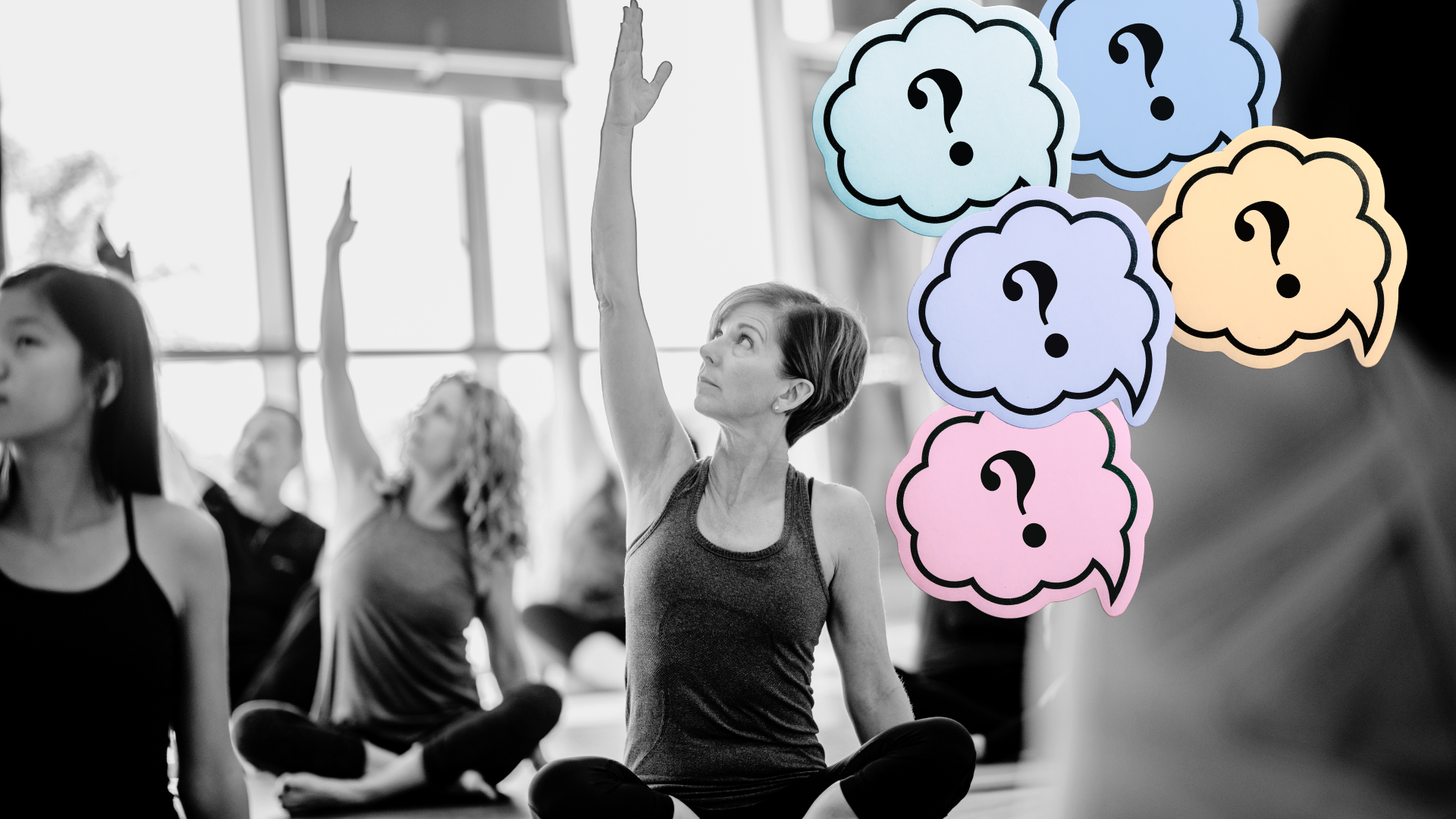
Teaching yoga is often perceived as the act of leading a sequence of postures, but for the seasoned instructor, the real work begins long before the first “Om” resonates through the studio. The transition from being a proficient practitioner to an effective educator requires a fundamental shift in perspective: moving from a focus on one’s own mastery to a focus on the student’s experience. This shift is where many teachers struggle, often falling into the trap of the “expert’s curse,” where the depth of their own knowledge becomes a barrier to the student’s understanding.
As a physician and health journalist, I have observed a recurring pattern in wellness instruction. When a teacher provides too much technical detail or adheres too rigidly to a pre-planned sequence, the student’s cognitive load increases, often triggering a stress response rather than the intended relaxation. In the realm of health and movement, less is often more. The goal of a yoga class is not to transfer an entire encyclopedia of anatomy and philosophy in 60 minutes, but to facilitate a mindful experience that supports the physical and mental well-being of every person in the room.
Effective pedagogy in yoga requires a commitment to intentionality. This proves the difference between simply “running a class” and truly teaching a student. By implementing a structured process of self-reflection before each session, instructors can ensure their classes are accessible, purposeful, and responsive to the actual needs of their practitioners. This approach transforms the teacher from a director into a facilitator of healing, and growth.
To achieve this level of mindful instruction, teachers can utilize a set of guiding questions designed to strip away ego and center the student. These questions serve as a mental checklist, ensuring that the sequence is not just a performance of poses, but a curated health intervention tailored to the individuals present.
The Five Essential Questions for Mindful Yoga Planning
The following questions are designed to be asked during the planning phase and revisited in the moments of silence just before students enter the space. They encourage a move toward student-centered instruction, which is the gold standard for inclusive health practices.
1. Who am I teaching today?
The most common mistake a yoga instructor can make is teaching a “generic” class. While a sequence might be labeled as “Vinyasa Flow” or “Hatha for Beginners,” the actual human beings in the room are never generic. One student may be recovering from a lower-back injury, another may be dealing with acute anxiety, and a third may be an advanced practitioner looking for a meditative challenge.

Asking “Who am I teaching?” requires the instructor to acknowledge the specific demographics and energy of their current student base. It involves considering the time of day—a 6:00 AM class requires a different energetic approach than a 6:00 PM class—and the physical capabilities of the regulars who attend. More importantly, it prepares the teacher to be flexible. An experienced instructor must be willing to abandon their original plan if the students arrive feeling exhausted or tense. The ability to pivot based on the collective energy of the room is a hallmark of professional maturity in yoga instruction.
2. What is the primary goal of this session?
Without a clear intention, a yoga class can become a random assortment of shapes. A goal-oriented approach ensures that every pose serves a purpose. Whether the objective is to open the hips for those who sit at desks all day, to calm the nervous system through slow breathing, or to build core stability, having a singular focus creates a cohesive experience for the student.
From a clinical perspective, a focused intention helps in managing the physiological outcomes of the practice. For instance, if the goal is stress reduction, the teacher will prioritize parasympathetic activation through longer holds and deeper exhalations. If the goal is strength, the focus shifts toward isometric contractions and stability. When the teacher is clear on the “why” behind the sequence, the students can more easily find their own “why” during the practice, leading to higher engagement and better health outcomes.
3. How much information is actually necessary?
There is a delicate balance between providing helpful guidance and overwhelming the student. When a teacher provides exhaustive anatomical explanations or complex philosophical tangents during a pose, they risk creating “analysis paralysis.” The student stops feeling the movement in their body and starts trying to solve a mental puzzle of instructions.

Pacing the sharing of knowledge is an essential skill. Effective instructors understand that students can only absorb a limited amount of information at once. Instead of explaining the entire mechanics of a pose in one go, a teacher might offer one primary cue for alignment and one for breath, leaving room for the student to explore the sensation. This prevents the practice from becoming an academic exercise and keeps it rooted in the somatic experience. The goal is to make the practice approachable, ensuring that the technicality of the pose never overshadows the accessibility of the experience.
4. How can I make this sequence accessible to all bodies?
Yoga is often marketed as a universal practice, but the traditional presentation of poses can be exclusionary. True accessibility goes beyond offering a “modification”. it involves designing the class with the assumption that every body is different. This means integrating props—such as blocks, straps, and bolsters—not as “crutches” for beginners, but as tools for precision and comfort for everyone.
Inclusivity in yoga instruction involves using language that does not prioritize a “perfect” version of a pose. Instead of saying, “Try to touch your toes,” an inclusive teacher might say, “Find a point of flexion that feels sustainable for your hamstrings today.” This removes the performance pressure and encourages students to listen to their own biological feedback. By prioritizing accessibility, teachers align their practice with the broader goals of public health, ensuring that the benefits of mindful movement are available to people regardless of their age, weight, or physical ability.
5. How am I showing up as a teacher?
The energy of the instructor acts as a mirror for the students. If a teacher enters the room stressed, rushed, or preoccupied, the students will unconsciously pick up on that tension, which can hinder their ability to relax. This question is about the teacher’s internal state and their role in the space.
Showing up mindfully means recognizing that the teacher is not the center of the class; the practice is. It involves a process of “emptying the cup”—letting go of the day’s stressors to create a neutral, supportive presence. When a teacher shows up with authenticity and presence, they create a safe container for students to explore their own vulnerabilities. This relational aspect of teaching is just as important as the physical sequence, as the feeling of safety and support is a prerequisite for deep physiological and emotional release.
Building Long-Term Teaching Confidence
While the five questions provide a framework for individual classes, building sustainable confidence as an educator is a lifelong journey. Confidence in teaching does not come from knowing every single asana, but from trusting one’s ability to support the student. This growth typically occurs across three dimensions: continuous education, personal practice, and reflective feedback.

Continuous learning is the foundation of confidence. The field of yoga is increasingly intersecting with modern sports science and neuroscience. Instructors who engage in ongoing workshops and advanced training programs are better equipped to answer student questions and provide safe modifications. However, this knowledge must be balanced with a regular personal practice. A teacher who practices what they preach maintains a visceral understanding of the challenges their students face, which fosters empathy and authenticity in their cues.
the most rapid growth occurs through the cycle of action and reflection. Seeking constructive feedback from students and peers allows a teacher to identify blind spots in their communication or sequencing. Reflecting on a class after it has ended—asking “What worked?” and “Where did I lose the room?”—turns every single session into a professional development opportunity. This iterative process transforms the anxiety of “getting it right” into the joy of evolving alongside one’s students.
The Impact of Student-Centered Instruction on Health
From a medical standpoint, the shift toward student-centered yoga instruction has significant implications for public health. When yoga is taught with a focus on accessibility and mindful pacing, it becomes a powerful tool for managing chronic conditions. For example, the National Institutes of Health (NIH) has highlighted the role of mindfulness and yoga in reducing stress and improving quality of life in patients with various chronic illnesses.
When a teacher asks “Who am I teaching?” and adjusts accordingly, they are essentially performing a triage of the room’s needs. This reduces the risk of injury and prevents the psychological frustration that often leads new practitioners to abandon the practice. By lowering the barrier to entry and prioritizing the student’s current state over a rigid curriculum, instructors help more people access the systemic benefits of yoga, including lowered cortisol levels, improved cardiovascular health, and enhanced emotional regulation.
The role of the yoga teacher, extends beyond fitness instruction; it is a role of health facilitation. By focusing on the human being rather than the pose, teachers contribute to a more inclusive and effective healthcare landscape, where movement is used as a bridge to overall wellness.
Key Takeaways for Yoga Educators
- Prioritize the Student: Shift the focus from your own mastery to the student’s experience to avoid the “expert’s curse.”
- Manage Cognitive Load: Pace your information delivery; avoid overwhelming students with too many technical cues during active poses.
- Embrace Flexibility: Be prepared to pivot your sequence based on the real-time energy and needs of the people in the room.
- Design for All: Integrate props and inclusive language from the start, rather than treating modifications as an afterthought.
- Cultivate Presence: Your internal state dictates the room’s energy; practice self-reflection to show up as a neutral, supportive facilitator.
The next step for instructors looking to deepen their professional standards is to align their practices with recognized industry benchmarks. Organizations such as the Yoga Alliance provide guidelines and continuing education requirements that help teachers maintain a balance between traditional wisdom and modern safety standards.
By consistently asking these five questions, yoga teachers can move beyond the mechanics of instruction and enter the realm of true mentorship, fostering a practice that is as sustainable for the teacher as it is transformative for the student.
Do you have a specific pre-class ritual or a question you always ask yourself before teaching? Share your experiences in the comments below or share this guide with a fellow educator to start a conversation about inclusive instruction.