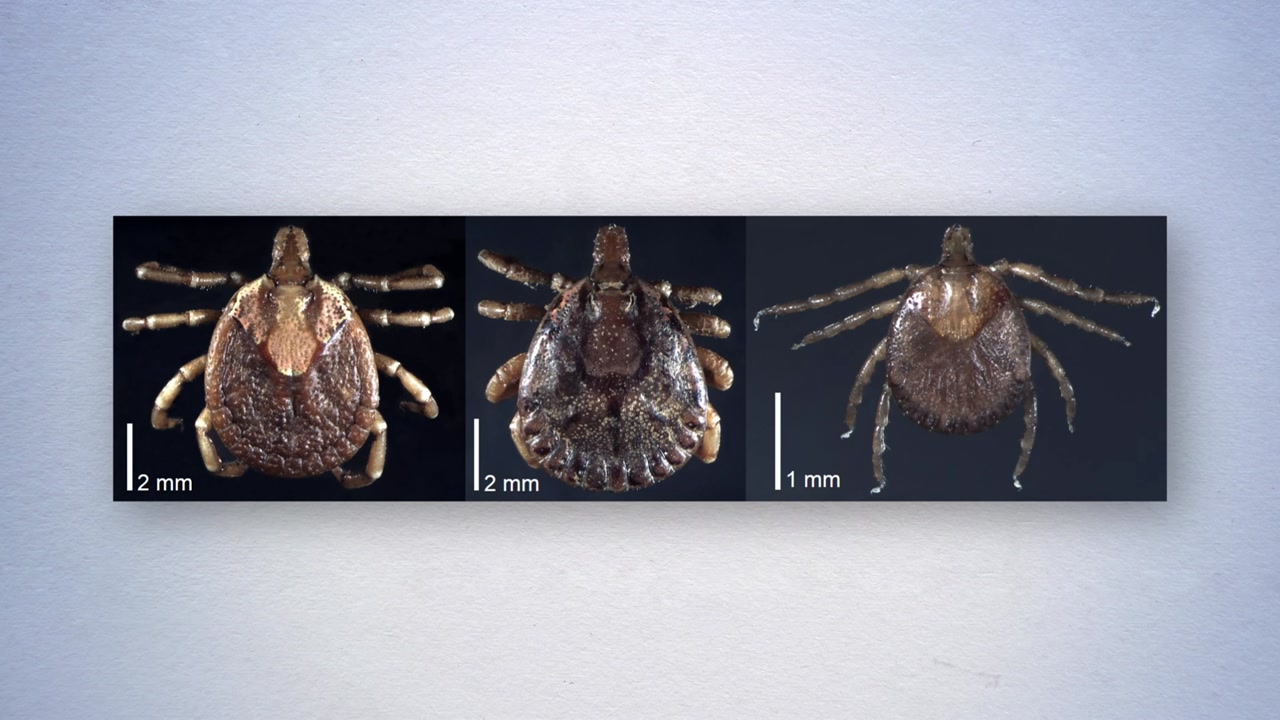
As the spring thaw brings millions of people back to the lush fields and rugged hiking trails of South Korea, a new and unexpected health threat has emerged from the undergrowth. Public health officials have confirmed the first recorded human infection of the Ozu virus within the country, a pathogen previously identified almost exclusively in Japan. This development has prompted an immediate health advisory for those engaging in outdoor activities during the peak spring farming season.
The arrival of the Ozu virus in South Korea marks a significant shift in the regional epidemiological landscape. While South Korea has long battled more common and often more lethal tick-borne illnesses, the introduction of a virus once thought to be geographically isolated to the Japanese archipelago suggests a broadening range for the vectors carrying the disease. For the global community, this serves as a stark reminder of how climate shifts and ecological changes can facilitate the migration of zoonotic diseases across borders.
For residents and travelers, the risk is most acute during the current window of increased outdoor exposure. With the combination of warmer temperatures and the onset of the agricultural cycle, the population of ticks—the primary vectors for the Ozu virus—is surging. Health authorities are now urging the public to adopt rigorous preventive measures to avoid bites, as the medical community works to better understand the virus’s behavior and virulence within the Korean population.
Understanding the Ozu Virus: From Japan to Korea
The Ozu virus is a tick-borne pathogen that, until recently, was regarded as a rarity found primarily in Japan. Unlike some of the more aggressive tick-borne viruses, Ozu has historically been associated with sporadic cases, but its sudden appearance in South Korea indicates that the virus is now circulating in local tick populations. The virus is transmitted to humans through the bite of an infected tick, typically when a person brushes against tall grass or shrubs where these arachnids wait for a host.
In a global context, the movement of such viruses is often linked to the migration of wild animals or the movement of livestock, which carry the ticks across borders. The World Health Organization (WHO) has frequently highlighted that zoonotic spillover—where a virus jumps from animals to humans—is becoming more frequent due to habitat encroachment and environmental changes. The Ozu virus is a textbook example of this phenomenon, shifting its geographical footprint as environmental conditions become more favorable for its vector.
Medical professionals describe the symptoms of Ozu virus infection as generally flu-like, characterized by sudden onset fever, severe muscle aches, and general malaise. While it may not always carry the high mortality rate associated with some other hemorrhagic fevers, the lack of a dedicated vaccine and the potential for neurological complications in severe cases make it a point of concern for the Korea Disease Control and Prevention Agency (KDCA).
Comparing Ozu Virus with SFTS and Other Tick-Borne Threats
To understand the gravity of the Ozu virus, We see helpful to compare it to the existing threats in East Asia, most notably Severe Fever with Thrombocytopenia Syndrome (SFTS). SFTS is a well-known, highly dangerous tick-borne disease in South Korea that often leads to multi-organ failure and has a significantly higher fatality rate. While SFTS is a constant threat every spring and summer, the Ozu virus represents a different biological challenge.

Where SFTS is characterized by a rapid decline in platelets and severe gastrointestinal distress, the Ozu virus tends to present as a more systemic viral syndrome. However, the danger lies in the “diagnostic gap.” Because the symptoms of Ozu virus infection overlap with many other seasonal illnesses, including the common flu or early-stage SFTS, there is a risk that early cases may be misdiagnosed, delaying the appropriate supportive care.
The presence of multiple tick-borne pathogens in the same region creates a complex environment for healthcare providers. Doctors must now expand their differential diagnosis to include Ozu when treating patients who present with fever after spending time in nature. This necessitates a higher reliance on molecular testing and genomic sequencing to accurately identify which virus is responsible for the illness.
Public Health Response and Immediate Safety Guidelines
The South Korean government has responded to the first infection by ramping up surveillance and issuing clear safety protocols. The focus is currently on “primary prevention”—stopping the bite before it happens. Because there is no specific antiviral treatment for the Ozu virus, the only effective defense is the avoidance of tick exposure.
For those working in agriculture or visiting forested areas, health officials recommend a strict set of behavioral changes. The goal is to create a physical and chemical barrier between the skin and the environment. The following guidelines are now being promoted across rural provinces:
- Protective Clothing: Wear long-sleeved shirts and long pants. Tucking pants into socks is highly recommended to prevent ticks from crawling up the legs.
- Chemical Repellents: Use EPA-approved insect repellents containing DEET or Picaridin on exposed skin and clothing.
- Environmental Awareness: Avoid walking directly through tall grass or dense brush. Stick to cleared paths and trails.
- Post-Activity Checks: Perform a full-body tick check immediately after returning indoors. Pay close attention to the armpits, groin, behind the knees, and the scalp.
- Proper Hygiene: Showering within two hours of coming indoors can help wash off unattached ticks and remove some repellents before reapplication.
If a tick is discovered attached to the skin, it should be removed immediately using fine-tipped tweezers. The head of the tick must be grasped as close to the skin’s surface as possible and pulled upward with steady, even pressure. Health officials warn against using “home remedies” like nail polish or heat to remove the tick, as these methods can cause the tick to regurgitate infected fluids into the bloodstream, increasing the risk of transmission.
Key Takeaways for Travelers and Residents
| Risk Factor | Preventive Action | Warning Sign |
|---|---|---|
| Tall Grass/Shrubs | Wear long sleeves & tuck pants | Sudden high fever |
| Farming Activities | Apply DEET/Picaridin repellent | Severe muscle pain |
| Hiking/Trekking | Perform full-body tick checks | General malaise/fatigue |
| Tick Bite | Remove with tweezers immediately | Rash at the site of bite |
The Broader Implications: Zoonoses in a Warming World
The migration of the Ozu virus from Japan to South Korea is not an isolated medical curiosity; it is a symptom of a larger global trend. As global temperatures rise, the geographical range of ticks and other arthropods expands. Species that were once limited to warmer climates are moving northward, bringing their respective viral loads into new, immunologically naive populations.
This phenomenon is part of what scientists call the “One Health” challenge. The One Health approach recognizes that the health of people is closely connected to the health of animals and our shared environment. When we disrupt ecosystems—through deforestation, urbanization, or climate change—we alter the behavior of wildlife and the vectors that feed on them. This increases the frequency of “spillover events,” where viruses move from animal reservoirs into humans.
The Ozu virus case serves as a cautionary tale for other nations in the region. If a virus can migrate from Japan to Korea, it suggests that monitoring systems must be integrated internationally. Real-time data sharing between the health ministries of East Asian nations is essential to track the movement of these pathogens and prepare healthcare systems before a sporadic case becomes a widespread cluster.
What Happens Next? Monitoring and Medical Research
Moving forward, the KDCA and academic researchers are expected to increase sampling of tick populations across South Korea to determine how widespread the Ozu virus has become. Understanding the “seroprevalence”—the level of antibodies in the population—will help determine if there have been undetected mild cases in the past.
Medical research will likely focus on developing more rapid diagnostic kits that can differentiate between Ozu, SFTS, and other tick-borne encephalitis viruses. Early detection is the key to managing patient outcomes, as supportive care (such as fluid management and fever reduction) is most effective when started early in the course of the infection.
For the general public, the message remains one of vigilance rather than panic. The Ozu virus is currently a low-frequency threat, but the arrival of the first case is a signal that the environment is changing. By adhering to basic tick-prevention protocols, the risk of infection can be drastically reduced.
The next confirmed checkpoint for public health updates will be the KDCA’s seasonal infectious disease report, which typically provides a comprehensive analysis of tick-borne illness trends as the summer months approach. We will continue to monitor these reports for any increase in case numbers or changes in the virus’s behavior.
Do you live or travel in regions where tick-borne illnesses are common? Share your experiences or questions in the comments below, and share this article with friends and family who enjoy the outdoors this spring.