
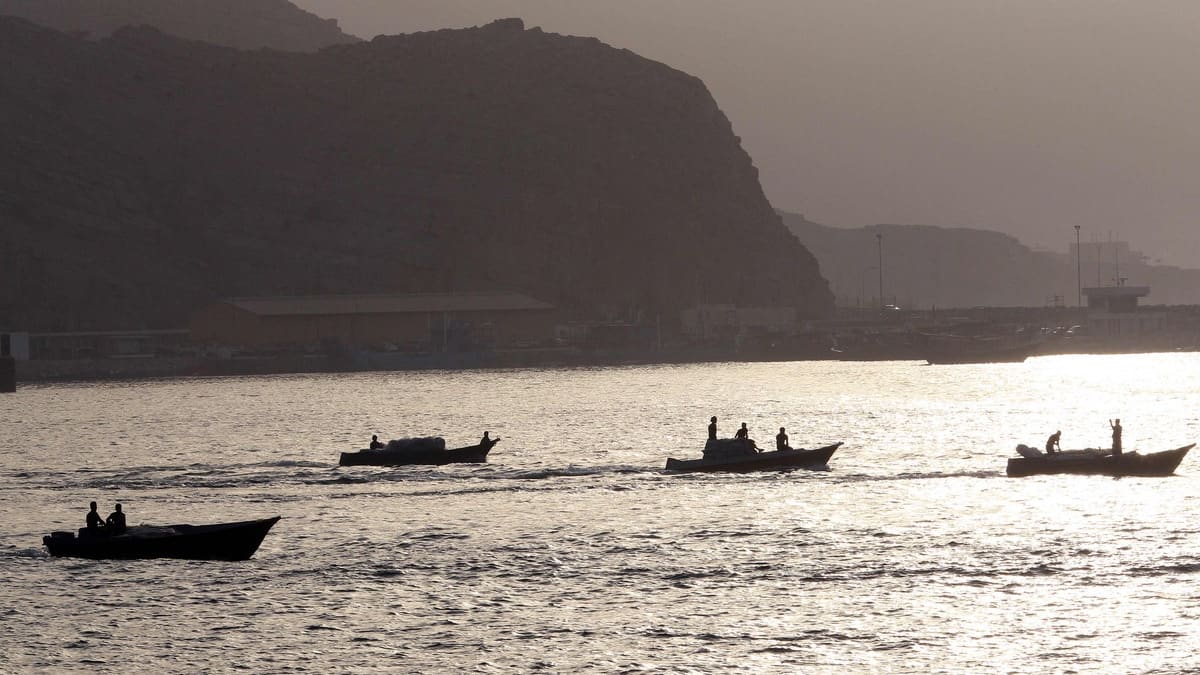
The global energy market is currently navigating a period of extreme volatility as the geopolitical standoff in the Persian Gulf intensifies. In a strategic move to exert maximum economic pressure on Tehran, the United States has implemented a maritime blockade targeting Iranian ports, leading to a precarious stalemate in one of the world’s most critical shipping lanes.
The escalation has sent immediate shockwaves through commodity markets. Brent crude oil prices recently climbed to their highest levels since 2022, surging to more than $126 a barrel before experiencing a slight correction. This spike reflects growing investor anxiety over the stability of the Strait of Hormuz, a vital artery for global oil supplies that has been effectively blocked by Iran in retaliation for US-Israeli strikes.
As the Chief Editor of Business at World Today Journal, I have monitored various market disruptions over the last two decades, but the current intersection of naval blockades and energy insecurity presents a unique risk to global macroeconomic stability. The situation is no longer merely a regional conflict; it is a direct challenge to the flow of international trade and the predictability of energy costs.
The current crisis is characterized by a dangerous cycle of escalation: US naval interceptions intended to stifle Iranian oil revenue and Iranian counter-measures that threaten the transit of all commercial shipping through the Gulf. With diplomatic peace talks appearing to have stalled, the world now watches the movements of the US Central Command (Centcom) and the responses from Tehran.
The Strategic Logic of the US Blockade of Iranian Ports
The decision by the Trump administration to implement a US blockade of Iranian ports is rooted in a strategy of economic attrition. By intercepting or turning back vessels traveling to and from the Iranian coast, Washington aims to severely restrict Tehran’s ability to profit from oil exports. This maritime strategy is designed to starve the Iranian government of the hard currency required to fund its regional activities and internal stability.
According to reports from the BBC, US forces began announcing these interceptions earlier in April 2026. The objective is clear: leverage the US Navy’s dominance in the region to force a breakthrough in stalled negotiations or to degrade Iran’s economic capacity to the point of capitulation.
However, the implementation of such a blockade carries inherent risks. The Strait of Hormuz is a narrow chokepoint; any military action there risks accidental escalation or a total shutdown of the waterway. The US is balancing the desire for economic pressure against the risk of a global energy crisis that could trigger a worldwide recession.
Centcom’s Contingency Plans
Beyond the blockade, the US military is preparing for more direct interventions. Reports indicate that the US Central Command (Centcom) has developed plans for a wave of “short and powerful” strikes against Iran. These proposed operations are intended to either break the current diplomatic deadlock or deliver a decisive blow to Iranian infrastructure.
US planners have considered the possibility of taking over portions of the Strait of Hormuz to ensure that commercial shipping can resume. Such a move would be a significant escalation, potentially involving ground troops to secure the waterway and eliminate the disruptions caused by Iranian forces.
Iran’s Response and the Closure of the Strait
Tehran has responded to the US naval pressure with a strategy of asymmetric deterrence. In response to US-Israeli strikes, Iran has effectively blocked the Strait of Hormuz, creating a maritime bottleneck that threatens the transit of tankers and cargo ships. This move transforms a targeted blockade of Iranian ports into a general threat to all global shipping in the region.

The rhetoric from Iranian leadership suggests that any further US aggression will be met with severe consequences. A statement attributed to Iranian Supreme Leader Mojtaba Khamenei warned that if the US resumes attacks, Tehran would respond with “long and painful strikes.” Khamenei further asserted that Iran would secure the Strait of Hormuz and eliminate what he termed “the enemy’s abuses of the waterway.”
This “tit-for-tat” escalation creates a high-risk environment for shipping companies. Insurance premiums for vessels operating in the Gulf are expected to skyrocket, and many commercial operators may seek alternative, albeit more expensive, routes to avoid the conflict zone.
Global Economic Implications: Energy and Inflation
From an economic perspective, the volatility of Brent crude is the most immediate concern. When oil prices exceed $120 per barrel, the ripple effects are felt across every sector of the global economy. Energy is a primary input for transportation, manufacturing, and agriculture; a sustained price hike acts as a regressive tax on consumers and businesses worldwide.
The Markets.com analysis highlights that the geopolitical ramifications of the blockade extend beyond simple supply-and-demand dynamics. The perceived instability of the Strait of Hormuz introduces a “risk premium” into oil pricing, meaning prices remain high not just because of a lack of oil, but because of the fear of a total shutdown.
For global markets, the primary risks include:
- Inflationary Pressure: Higher energy costs drive up the price of goods and services, complicating the efforts of central banks to maintain price stability.
- Supply Chain Disruption: The blockage of the Strait affects not only oil but also liquefied natural gas (LNG) and other critical commodities.
- Market Volatility: Rapid swings in oil prices create uncertainty for long-term industrial investment and energy transition planning.
The Role of Global Risk Assessments
The current crisis aligns with broader systemic risks identified by international bodies. The World Economic Forum’s Global Risks Report 2026, released in January, emphasized the need for decision-makers to balance immediate crises with long-term priorities. The volatility in the Middle East serves as a primary example of how regional geopolitical instability can rapidly evolve into a global economic shock.
What Happens Next?
The situation remains fluid, with the possibility of both sudden escalation and diplomatic de-escalation. The immediate focus is on the briefings being provided to President Donald Trump regarding the military’s plans for strikes on Iran. Whether the US chooses to maintain the blockade as a tool of diplomacy or transition to active kinetic strikes will determine the trajectory of oil prices and regional stability.

For shipping firms and energy traders, the key indicator to watch is the operational status of the Strait of Hormuz. Any official announcement regarding the reopening of the waterway for commercial shipping—whether through a diplomatic agreement or a US military operation—would likely lead to a sharp correction in oil prices.
| Action/Event | US Position/Action | Iranian Position/Response |
|---|---|---|
| Maritime Access | Blockade of Iranian ports; interception of vessels. | Effective closure of the Strait of Hormuz. |
| Economic Goal | Restrict oil export profits to pressure Tehran. | Use waterway control as a deterrent against strikes. |
| Military Posture | Centcom plans for “short and powerful” strikes. | Threats of “long and painful strikes” from Supreme Leader. |
| Market Impact | Monitoring energy security and price stability. | Leveraging energy volatility as geopolitical leverage. |
The next critical checkpoint will be the outcome of the military briefings provided to the US President, which will determine if the current blockade remains a static economic tool or becomes the prelude to a broader military engagement. We will continue to monitor official statements from the US Department of Defense and the Iranian government for any signs of a diplomatic opening.
Do you believe economic blockades are an effective tool for modern diplomacy, or do they create too much collateral damage for the global economy? Share your thoughts in the comments below.