
For decades, the boundary between the pharmacy counter and the grocery aisle was a clear, rigid line. Healthcare was a destination—a clinic, a hospital, a specialist’s office—governed by clinical authority and a patient-provider hierarchy. However, a profound shift is underway. We are witnessing the emergence of consumer-centric healthcare, a movement where the traditional “patient” is evolving into a “health consumer” who demands the same seamlessness, transparency, and agency from their medical care as they do from their digital shopping experiences.
As a physician and journalist, I have watched this transition with keen interest. The shift is not merely about convenience; it is about a fundamental redistribution of power. Today’s health seekers are no longer passive recipients of care. They are acting as the CEOs of their own well-being, leveraging data, digital tools, and retail accessibility to curate their own health journeys. This “retailization” of health is blurring the lines between consumer brands and clinical providers, creating a hybrid landscape where wellness is integrated into the fabric of daily life.
This convergence is being driven by a desire for greater autonomy. Across the globe, there is a growing demand for more control over personal health decisions, moving away from a one-size-fits-all medical model toward personalized, on-demand care. From the integration of primary care into big-box retailers to the disruptive impact of new pharmacological breakthroughs, the infrastructure of health is moving out of the clinic and into the community.
The Infrastructure of Convenience: Retail Giants as Care Providers
The entry of retail giants into the healthcare space is perhaps the most visible sign of this blurring boundary. Companies like Walmart, Amazon, and CVS are no longer just vendors of medicine; they are becoming integrated health destinations. By combining pharmacy services with telehealth, diagnostic kiosks, and primary care clinics, these organizations are meeting consumers where they already spend their time.
The strategy is clear: reduce friction. The traditional healthcare experience is often characterized by fragmented communication and scheduling hurdles. In contrast, the retail model prioritizes the “user experience” (UX). When a consumer can access a telehealth consultation and have a prescription delivered via a streamlined logistics network, the perceived value of the service increases. This shift toward omnichannel delivery—where care is available online, in-app, and in-person—is redefining the standard of care.
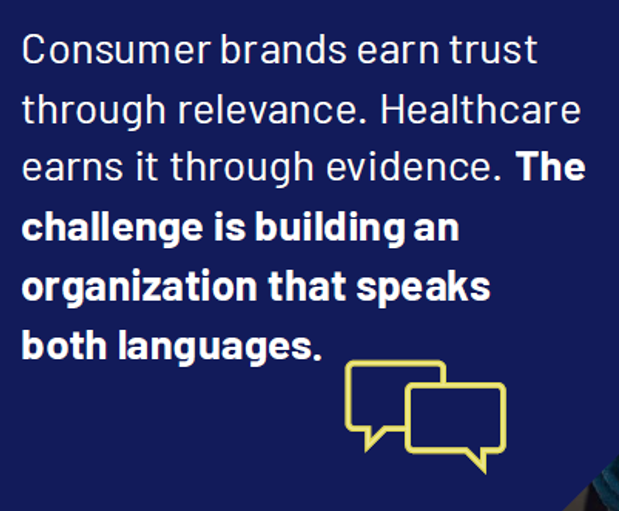
However, this transition brings a critical challenge. While retail brands excel at design and accessibility, healthcare requires a level of clinical rigor and evidence-based practice that cannot be simplified into a consumer interface. The most successful entities in this new era will be those that are “bilingual”—capable of communicating complex scientific evidence while maintaining the enchanting design and cultural relevance of a top-tier consumer brand.
The GLP-1 Catalyst: A New Wellness Economy
While the infrastructure of retail health has been building for years, the arrival of GLP-1 receptor agonists (such as semaglutide and tirzepatide) has acted as a powerful catalyst for the consumerization of medicine. These medications, originally designed for diabetes and later approved for chronic weight management, have moved the conversation around metabolic health from the doctor’s office into the mainstream cultural zeitgeist.
The impact of these drugs extends far beyond the pharmacy. Because GLP-1s significantly alter appetite and consumption patterns, they are triggering a ripple effect across various consumer sectors. We are seeing a shift in the food and beverage industry, with a growing emphasis on high-protein, nutrient-dense offerings to support patients managing weight loss and muscle preservation. Similarly, the apparel and hospitality industries are beginning to adapt their offerings to a demographic undergoing rapid physiological changes.
This phenomenon illustrates a core tenet of modern health: health is “made” and “un-made” everywhere—in the kitchen, in the gym, and through the digital apps we use to track our biomarkers. The GLP-1 trend has proven that a medical intervention can fundamentally reshape consumer behavior across multiple non-medical industries, further erasing the line between a “healthcare product” and a “lifestyle product.”
From Clinical Authority to Health Coaching
As the health consumer takes the lead, the role of the clinician is also evolving. The traditional model of the physician as the sole arbiter of medical truth is giving way to a more collaborative relationship. In this new paradigm, the doctor functions less as a commander and more as a coach or navigator.
This evolution is supported by the democratization of medical information. With the rise of sophisticated health-tracking wearables and AI-driven insights, patients often arrive at appointments with a detailed map of their own data. This requires providers to shift their communication style, focusing on shared decision-making and patient agency. The World Health Organization has long advocated for patient-centered care, but the market forces of consumerism are accelerating this transition faster than policy ever could.
For traditional health systems and hospitals, the lesson is clear: they must adapt or risk becoming irrelevant to a generation of consumers who value transparency and autonomy. The “Amazon-ification” of health—characterized by clear pricing, easy scheduling, and personalized communication—is no longer a luxury; it is a baseline expectation.
The Future of Leadership in Global Health
As we look toward the next decade, the question is not whether consumer brands will enter healthcare, but who will ultimately lead the wellness space. The next generation of healthcare leaders may not be traditional medical institutions. They could be global conglomerates that master the intersection of biotechnology, nutrition, and digital experience.
To earn the loyalty of the modern health seeker, organizations must balance three competing priorities: clinical efficacy, financial value, and emotional resonance. Consumers are increasingly sensitive to “value-for-money,” especially as they take on more out-of-pocket costs and responsibility for their own clinical decisions. Those who can prove their scientific competency while delivering a frictionless experience will win the “winner’s circle” of retail health.
the blurring of these lines is a positive development for public health, provided that safety and evidence remain the primary guardrails. When healthcare becomes as accessible as a grocery store and as intuitive as a favorite app, the barriers to preventative care drop, and the potential for proactive health management rises.
The transition toward a more consumer-centric model is an ongoing process. We expect further developments in the integration of AI-driven personalized nutrition and the expansion of direct-to-patient clinical platforms in the coming months. As these technologies mature, the definition of “healthcare” will continue to expand, encompassing every touchpoint of our daily lives.
What are your thoughts on the shift toward retail healthcare? Do you prefer the convenience of a retail clinic, or do you value the traditional hospital setting? Share your experiences in the comments below.